



Idioms for Animals: Animal Idioms vs Animal Metaphors
Idioms for animals appear everywhere in English. People say someone is a “busy bee,” warn others not…
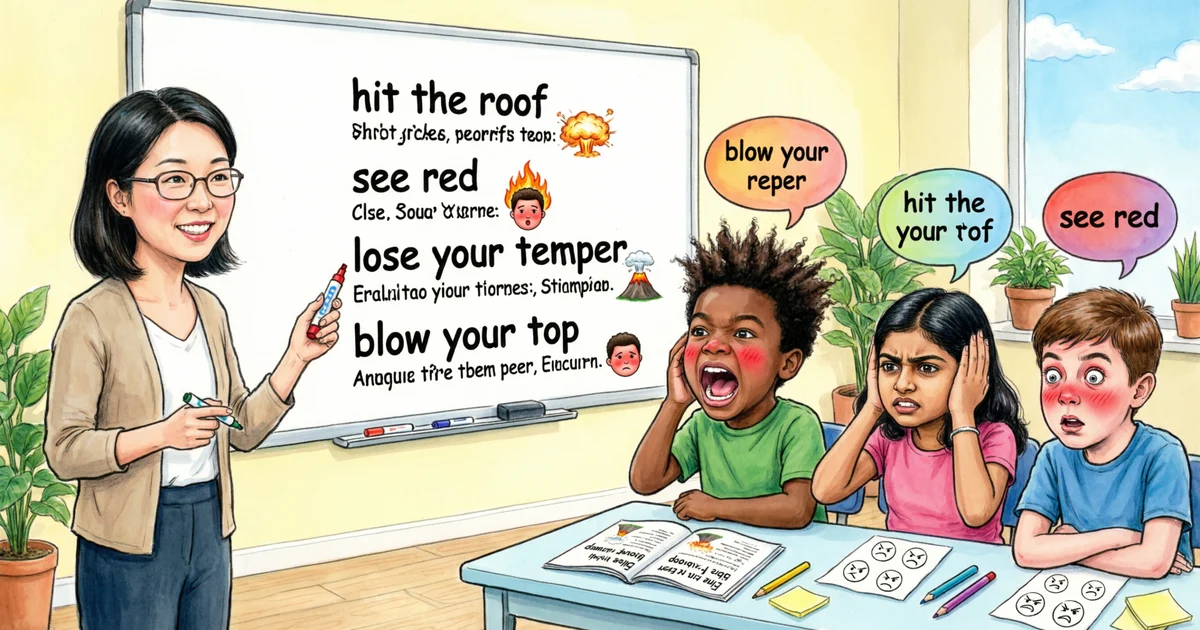
Idioms for Anger: Meanings and How to Use Them Correctly
Idioms for anger help you describe anger in a more vivid, natural, and expressive way than plain wor…

Idioms for Achieving Goals: Meanings, Examples and How to Use
Idioms for achieving goals help writers and learners talk about progress, effort, success, ambition,…

Idioms for Leader: Meaning, Examples and How to Use Them
A good leader does more than give orders. A leader guides people, makes decisions, takes responsibil…

Idioms for Amazing: Meaning, Examples and How to Use Them
The word amazing is useful, but it can feel plain when you use it too often. Students, writers, and …

Idioms for Cold: Meanings, Examples and How to Use Them
Cold can mean more than low temperature. In English, people use cold to describe weather, emotions, …

Idioms for Confidence: Meanings, Examples and How to Use Them
Confidence is easy to recognize but sometimes hard to describe. You may want to say someone feels br…

Idioms for Confused: Meanings, Examples and How to Use Them
English has many ways to say someone is confused. You can say, “I don’t understand,” but sometimes t…

Idioms for Confusion: Meanings, Examples and How to Use Them
Confusion is a common feeling, but English gives us many different ways to describe it. Sometimes we…

Idioms for Conversation: Meaning, Examples and Differences
“Idioms for conversation” is a common search because many students, writers, and ESL learners want t…

Idioms for Cool: Examples and How They Differ from Slang
People often search for idioms for cool when they want better, more expressive ways to describe some…

Idioms for Crazy: Meaning, Differences and How to Use Them
English has many colorful ways to describe someone who acts wildly, thinks strangely, feels overwhel…