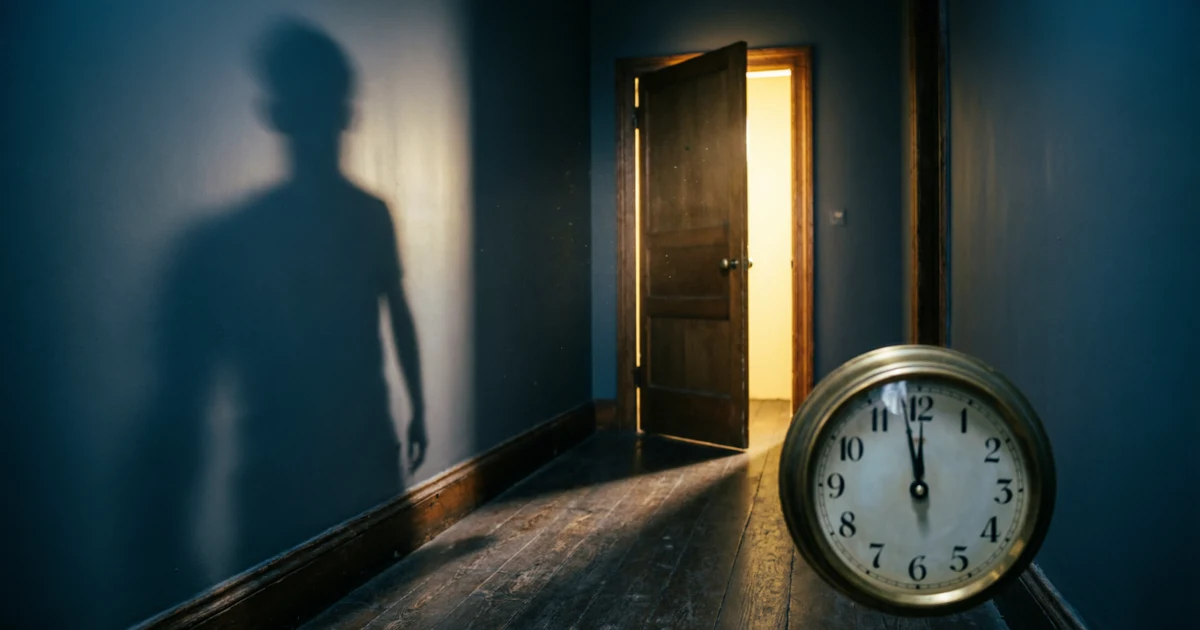
Suspense makes a reader lean closer to the page. It creates that tight feeling before a secret comes out, a door opens, or a character faces danger. A strong simile can make that feeling even sharper because it compares suspense to something the reader already understands.
A good simile for suspense does more than sound clever. It helps the reader feel waiting, fear, pressure, doubt, and rising tension. In this guide, you will learn what suspense similes mean, how writers use them, and how to create your own examples for stories, poems, essays, and descriptive writing.
What a Simile for Suspense Means
A simile for suspense compares a tense or uncertain moment to something familiar using like or as.
For example:
- The silence hung in the room like a held breath.
- The mystery grew like a shadow stretching across the floor.
- Her fear tightened around her like a rope.
Each example helps the reader picture the feeling. Suspense often feels slow, heavy, and uncertain. A simile gives that feeling a clear shape.
A suspense simile can describe:
- A quiet room before danger appears
- A character waiting for bad news
- A mystery that grows darker
- A scene where something feels wrong
- A moment before a shocking reveal
When you write suspense, you should choose comparisons that match the mood. A funny or soft image can weaken the scene. A dark, sharp, or tense image usually works better.
Why Writers Use Similes to Build Suspense
Writers use similes to make suspense feel real. Instead of telling the reader that a scene feels tense, a simile shows the tension through an image.
Weak sentence:
The room felt suspenseful.
Stronger sentence:
The room felt as tense as a wire about to snap.
The second sentence gives the reader something to feel. A wire about to snap suggests pressure, danger, and sudden movement. That image matches suspense well.
Writers use suspense similes to:
- Slow down an important moment
- Make silence feel uncomfortable
- Build fear before action starts
- Show a character’s nervous thoughts
- Turn a simple scene into a gripping one
A simile can also guide the reader’s emotions. If you compare suspense to a ticking clock, the reader feels pressure. If you compare it to a moving shadow, the reader feels mystery. If you compare it to a trap, the reader expects danger.
Best Similes for Suspense With Clear Meanings
Here are strong similes for suspense with simple meanings.
- Suspense hung in the air like smoke in a closed room.
Meaning: The tension feels thick and hard to escape.
- The silence stretched like a dark road with no end.
Meaning: The quiet moment feels long and uncertain.
- Fear crept through him like cold water under a door.
Meaning: The fear grows slowly and quietly.
- The secret sat between them like a locked box.
Meaning: Something hidden creates pressure in the scene.
- The moment tightened like a knot pulled harder.
Meaning: The tension grows stronger.
- The hallway waited like a mouth ready to swallow her.
Meaning: The setting feels dangerous and threatening.
- His heartbeat sounded like a drum before battle.
Meaning: The character feels fear before a serious moment.
- The question hung over them like a storm cloud.
Meaning: Trouble feels close, but it has not arrived yet.
These similes work because they connect suspense to pressure, darkness, silence, danger, and waiting.
Simple Similes for Suspense Students Can Use
Students often need clear and easy similes for stories or school writing. Simple similes work best when they create a strong picture without sounding forced.
Examples:
- The room was as quiet as a library at midnight.
- The wait felt like forever.
- The dark hallway looked like a tunnel into danger.
- Her heart beat like a fast drum.
- The secret felt like a stone in his chest.
- The sound came closer like footsteps in a dream.
- The silence felt as heavy as a blanket.
- The door opened like it knew a secret.
Students can use these similes in mystery stories, horror scenes, and descriptive paragraphs. The best choice depends on the moment.
For fear, use body based similes:
- His hands shook like leaves in the wind.
For mystery, use setting based similes:
- The fog covered the house like a secret.
For danger, use action based similes:
- The trap waited like a snake in the grass.
Powerful Similes That Show Rising Tension
Rising tension means the suspense grows stronger as the scene moves forward. A powerful simile can show that pressure building.
Examples:
- The tension rose like water behind a cracking dam.
- Her fear grew like fire spreading through dry grass.
- The silence tightened like a fist.
- The danger moved closer like a wolf circling its prey.
- The moment pressed down on him like a heavy stone.
- The room seemed to shrink like walls closing in.
- The truth pushed forward like a blade through cloth.
These similes work well in scenes where the reader knows something bad may happen soon. They help create a sense of movement.
To write rising tension, avoid flat comparisons. Choose images that grow, tighten, press, spread, or close in.
Strong suspense often feels like:
- Pressure building
- Space shrinking
- Time slowing
- Danger approaching
- A secret forcing its way out
A good simile should match that feeling.
Short Similes for Suspense
Short similes work well in fast scenes. They keep the pace tight and direct.
Examples:
- Like a ticking clock
- Like a held breath
- Like a locked door
- Like a dark secret
- Like a closing trap
- Like a moving shadow
- Like a storm cloud
- Like a silent scream
- Like a cold hand
- Like a knife in the dark
You can place short similes inside longer sentences.
Examples:
- The silence sat between them like a locked door.
- The night moved around her like a dark secret.
- His fear stayed with him like a cold hand.
- The warning echoed like a silent scream.
Short similes work best when the scene already has strong action or emotion. They add impact without slowing the writing too much.
Dark Similes for Suspenseful Scenes
Dark similes help create fear, mystery, and unease. They fit horror stories, thrillers, crime scenes, and tense descriptions.
Examples:
- The house stood like a grave waiting for a name.
- The basement smelled like a secret left to rot.
- The trees leaned over the path like silent witnesses.
- The night wrapped around her like a black cloak.
- The mirror watched him like a second pair of eyes.
- The empty street stretched ahead like a warning.
- The whisper slid through the room like a snake.
- The silence followed him like a ghost.
Dark similes need care. If you use too many, the writing can feel heavy. Use them when the scene needs a clear mood.
Good dark similes often include:
- Shadows
- Graves
- Ghosts
- Snakes
- Storms
- Empty streets
- Closed rooms
- Watching eyes
Each image creates unease because it suggests danger or the unknown.
Creative Similes for Suspense in Story Writing
Creative suspense similes should feel fresh but still clear. A strange comparison can work if the reader understands the emotion behind it.
Examples:
- The secret pulsed between them like a heart under floorboards.
- The phone rang like a warning from another life.
- The attic breathed above her like something sleeping.
- The note lay on the table like a match near gasoline.
- His smile spread like a crack across glass.
- The old house groaned like it remembered every scream.
- The truth waited behind his eyes like a knife behind a curtain.
Creative similes often work because they connect ordinary things to danger. A phone, note, smile, or attic can feel harmless at first. The simile changes the mood.
To create a creative suspense simile, ask:
- What object appears in the scene?
- What danger does the reader expect?
- What feeling should the sentence create?
- What comparison makes that feeling stronger?
For example, a note can feel like a clue, a threat, or a trap. Your simile should show which one.
Similes for Suspense Like a Clock Ticking
A clock ticking creates suspense because it suggests time running out. Writers often use clock similes when a character faces a deadline, a warning, or an approaching threat.
Examples:
- The silence ticked like a clock in an empty room.
- Her fear counted down like seconds on a bomb timer.
- The waiting felt like a clock that grew louder with every breath.
- His thoughts clicked like a clock moving toward midnight.
- The deadline hung over him like a clock with no hands.
- Each second passed like a hammer striking his nerves.
Clock similes work well when suspense depends on time. They fit scenes like:
- A character waiting for a call
- A bomb threat
- A missing person case
- A race against time
- A final warning
- A dangerous countdown
A ticking clock creates pressure because it gives suspense a rhythm. The reader feels each second.
Similes for Suspense Like a Door Slowly Opening
A slowly opening door creates suspense because the reader expects something unknown behind it. This image works well in mystery, horror, and thriller writing.
Examples:
- The truth opened before her like a door moving in the dark.
- The closet door creaked like a secret trying to escape.
- The mystery revealed itself like a door opening inch by inch.
- His memory returned like a locked door slowly turning on its hinges.
- The silence broke like a door opening in an empty house.
- The answer waited like something behind a half open door.
Door similes work because doors separate safety from danger. One side feels known. The other side feels unknown.
You can use door similes to describe:
- A secret coming out
- A character entering danger
- A memory returning
- A clue appearing
- A hidden truth becoming clear
This type of simile creates slow suspense. It makes the reader wait for what comes next.
Similes for Suspense Like a Shadow Moving
A moving shadow suggests danger without showing it clearly. That makes it perfect for suspense.
Examples:
- Fear moved through the room like a shadow across a wall.
- The stranger followed her like a shadow that refused to fade.
- Doubt slipped into his mind like a shadow under a door.
- The mystery grew like a shadow at sunset.
- The figure crossed the window like a shadow with a purpose.
- The warning spread through the crowd like a shadow over grass.
Shadow similes work well when you want the reader to feel uncertainty. A shadow hides details. It suggests that something exists, but the reader cannot fully see it.
Use shadow similes for:
- Hidden danger
- Unclear movement
- Fear in the mind
- A secret presence
- A person watching from a distance
A shadow simile should feel quiet and unsettling, not loud or dramatic.
Similes for Suspense Like a Storm About to Break
A storm about to break suggests pressure before chaos. The sky darkens. The air changes. Everyone senses trouble before it arrives.
Examples:
- The tension gathered like a storm about to break.
- His anger filled the room like thunder trapped in clouds.
- The argument waited like lightning behind a black sky.
- The silence pressed down like air before a storm.
- Trouble rolled toward them like dark clouds over a field.
- Her fear rose like wind before heavy rain.
Storm similes fit scenes with emotional conflict, coming danger, or a major reveal. They show that something powerful will happen soon.
Use storm similes when:
- Characters argue
- A secret nears exposure
- Danger approaches
- A crowd grows restless
- A scene needs heavy tension
A storm simile gives suspense a natural force. It makes the moment feel bigger than one person.
Similes for Suspense Like a Breath Held Too Long
A held breath creates suspense because the body naturally waits for release. This simile works well in quiet, tense moments.
Examples:
- The room felt like a breath held too long.
- The silence stretched like lungs waiting for air.
- Everyone stood still like the world had stopped breathing.
- Her fear stayed trapped inside her like a breath she could not release.
- The moment hung between them like air caught in the chest.
- The pause felt like a breath before a scream.
Breath similes work best when a scene feels still. They show tension without loud action.
Use breath similes for:
- A pause before bad news
- A hidden character trying to stay quiet
- A moment before a reveal
- A room full of nervous people
- A character waiting for danger to pass
This type of simile creates intimacy. It pulls the reader close to the character’s body and emotions.
Similes for Suspense Like a Trap Waiting to Snap
A trap simile creates strong danger. It tells the reader that something bad may happen at any moment.
Examples:
- The quiet hallway waited like a trap ready to snap.
- His smile looked friendly, but it felt like a trap under leaves.
- The plan sat before her like a snare hidden in grass.
- The empty room felt like a cage with an open door.
- The invitation sounded like bait on a hook.
- The silence closed around him like metal jaws.
Trap similes work well when a character senses danger but cannot see it clearly. They create fear through expectation.
Use trap similes when:
- A character walks into danger
- Someone hides bad intentions
- A clue feels too easy
- A villain waits
- A safe place feels wrong
A trap simile should create a sharp feeling. The reader should sense that one wrong move could change everything.
Similes for Suspense in Mystery Writing
Mystery writing depends on questions. Who did it? What happened? Who lies? A good simile can make those questions feel more urgent.
Examples:
- The clue sat on the desk like a whisper in a crowded room.
- The suspect’s answer slipped away like smoke through fingers.
- The truth hid like a key under floorboards.
- The case twisted like a road through fog.
- The detective followed the clue like a thread through darkness.
- The missing letter felt like a piece from the center of a puzzle.
Mystery similes should focus on secrets, clues, confusion, and discovery. They should not reveal too much too soon.
Good mystery comparisons include:
- Fog
- Keys
- Puzzles
- Locked boxes
- Threads
- Smoke
- Mirrors
- Hidden rooms
A mystery simile works best when it deepens curiosity. It should make the reader want the next clue.
Similes for Suspense in Horror Stories
Horror suspense needs fear, dread, and the sense that something terrible may happen. Similes can make that fear feel physical.
Examples:
- The whisper crawled over his skin like spiders.
- The hallway stretched ahead like a throat leading into darkness.
- The doll stared at her like it had waited all night.
- The cold touched his neck like dead fingers.
- The house groaned like something hungry in its sleep.
- The dark gathered in the corners like animals waiting to pounce.
- Her scream caught in her chest like a bird in a cage.
Horror similes should attack the senses. Use touch, sound, smell, and movement.
Strong horror images often include:
- Cold hands
- Crawling insects
- Watching eyes
- Rotting smells
- Empty rooms
- Sudden whispers
- Unnatural movement
A horror simile should make the reader feel unsafe, even before the danger appears.
Similes for Suspense in Thriller Scenes
Thriller suspense often moves faster than mystery or horror. The reader expects danger, action, and pressure. Similes in thriller scenes should feel sharp and urgent.
Examples:
- The chase moved like a match racing along a fuse.
- His pulse kicked like an engine pushed too hard.
- The warning hit her like a gunshot in a quiet room.
- The plan balanced like a glass on the edge of a table.
- The enemy closed in like wolves around a wounded animal.
- The city lights blurred past like sparks from a fire.
- The truth landed in his mind like a bomb with no sound.
Thriller similes work best when they add speed or danger. They should not slow the scene too much.
Use thriller similes for:
- Chases
- Threats
- Betrayals
- Escapes
- Deadlines
- High risk choices
A thriller simile should create motion. It should make the reader feel that the character has little time to think.
Similes That Show Fear and Uncertainty
Suspense often comes from not knowing what will happen. Similes for fear and uncertainty help show a character’s inner state.
Examples:
- Her thoughts scattered like birds startled from a tree.
- His courage shook like a candle in the wind.
- Doubt spread through him like ink in water.
- The unknown stood before her like a wall without a door.
- His fear clung to him like wet clothes.
- Her hope flickered like a weak flame.
- The answer seemed to move away like a face in fog.
- His confidence cracked like thin ice underfoot.
Fear and uncertainty similes should connect to the body, the mind, or the setting. They help the reader understand how the character feels without long explanation.
Use these similes when a character:
- Faces a hard choice
- Waits for news
- Hides from danger
- Suspects betrayal
- Enters an unknown place
- Feels unsure about the truth
The strongest simile will match the exact emotion. Fear can shake, cling, freeze, crawl, or burn. Choose the action that fits.
Example Sentences Using Suspense Similes
Here are complete sentences that show how suspense similes can work in real writing.
- The house stood at the end of the road like a warning nobody had spoken aloud.
- The silence in the kitchen felt like a breath held too long.
- The note on the table waited like a trap ready to close.
- His footsteps echoed behind her like a clock counting down.
- The shadow moved across the curtain like a secret trying to enter.
- Her heartbeat struck her ribs like a fist against a locked door.
- The truth rose between them like smoke from a hidden fire.
- The basement stairs dropped into the dark like a throat waiting to swallow her.
- The unanswered phone rang in her mind like an alarm that would not stop.
- The stranger’s smile spread like oil across water.
- The fog covered the road like a lie told too well.
- The final clue fit into place like a key turning in a forbidden lock.
- The old floor creaked beneath him like a voice giving him away.
- The waiting room felt like a cage made of silence.
- The storm outside pressed against the windows like a warning with hands.
These examples show different types of suspense. Some create fear. Some create mystery. Some create pressure. Choose the one that matches your scene.
How to Create Your Own Simile for Suspense
You can create a strong simile for suspense by focusing on the feeling first.
Start with the mood:
- Fear
- Waiting
- Danger
- Mystery
- Pressure
- Doubt
- Silence
Then choose an image that carries the same feeling.
For example:
Fear can feel like:
- Cold water
- A shaking leaf
- A hand on the neck
- A trapped bird
Waiting can feel like:
- A ticking clock
- A held breath
- A closed door
- A match near a fuse
Danger can feel like:
- A snake in grass
- A trap ready to snap
- A storm about to break
- A knife behind a curtain
Use this simple pattern:
The suspense felt like plus a clear image.
Examples:
- The suspense felt like a clock ticking in a silent room.
- The suspense felt like a trap hidden beneath flowers.
- The suspense felt like a storm waiting behind the hills.
You can also connect the simile to the setting.
If your scene takes place in a forest:
- The silence wrapped around them like vines around an old tree.
If your scene takes place in a house:
- The hallway stretched ahead like a throat in the dark.
If your scene takes place in a school:
- The empty classroom felt like a secret waiting for a witness.
The best simile for suspense should feel natural inside the scene. It should not sound random or decorative. It should help the reader feel what the character feels.
Conclusion
A strong simile for suspense can turn a quiet moment into a gripping scene. It helps readers feel tension, fear, danger, and mystery through clear images. You can compare suspense to a ticking clock, a moving shadow, a slowly opening door, a storm about to break, or a trap waiting to snap.
The best suspense similes match the mood of the scene. A mystery needs clues and secrets. A horror story needs dread and fear. A thriller needs speed and pressure. When you choose the right comparison, your writing feels sharper, more vivid, and more memorable.
Use similes with purpose. Let each one build tension, reveal emotion, or pull the reader deeper into the unknown.
FAQs About Simile for Suspense
What is a simile for suspense?
A simile for suspense compares a tense or uncertain moment to something familiar using like or as. For example, The silence felt like a breath held too long.
What is a good simile for suspense?
A good simile for suspense is The tension rose like water behind a cracking dam. It shows pressure, danger, and the feeling that something may happen soon.
How do you describe suspense with a simile?
You can describe suspense by comparing it to waiting, darkness, pressure, or danger. For example, The moment tightened like a trap ready to snap.
What is a simple simile for suspense?
A simple simile for suspense is The room was as quiet as a graveyard. It creates a tense and uneasy mood.
What simile shows rising tension?
A strong simile for rising tension is The fear grew like fire spreading through dry grass. It shows that the feeling grows quickly.
What simile works for mystery writing?
A good mystery simile is The truth hid like a key under floorboards. It suggests a hidden answer that someone must find.
What simile works for horror suspense?
A strong horror suspense simile is The whisper crawled over his skin like spiders. It creates fear through touch and movement.
What simile works for thriller writing?
A good thriller simile is The chase moved like a match racing along a fuse. It creates speed, danger, and urgency.
Why do writers use similes for suspense?
Writers use similes for suspense because they help readers feel tension instead of only reading about it. A clear comparison can make a scene more vivid.
How can students write a suspense simile?
Students can choose a tense feeling, then compare it to a familiar image. For example, fear can feel like a cold hand on the neck or waiting can feel like a ticking clock.