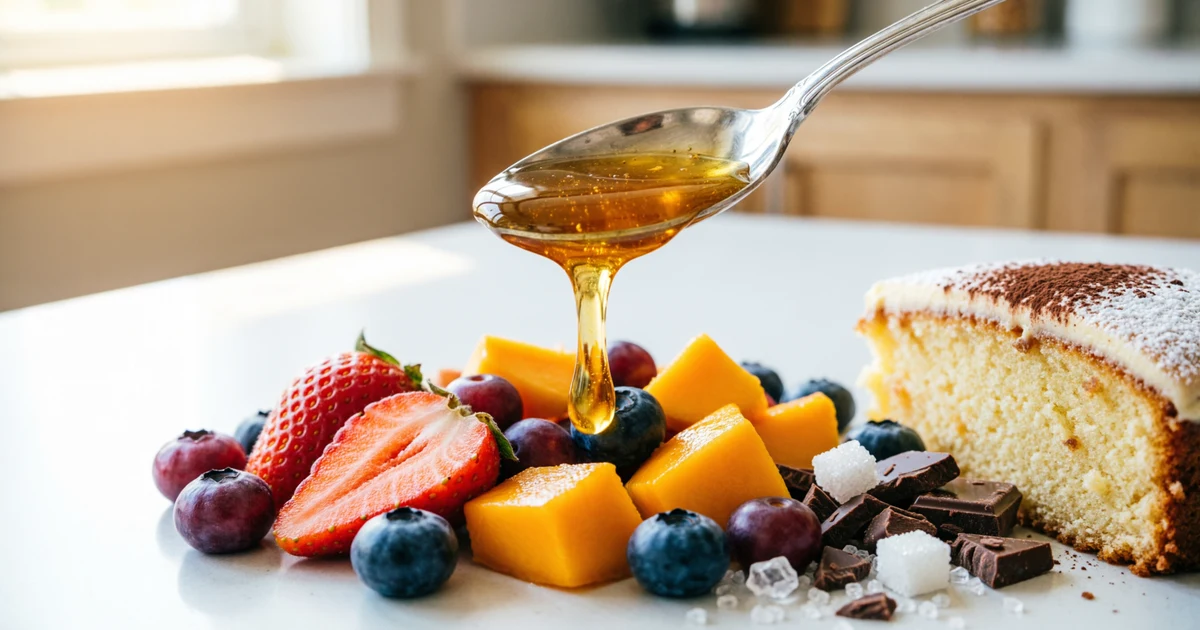
Sweet taste can make writing feel warm, rich, joyful, and full of life. A good simile helps readers imagine flavor before they ever take a bite. When you compare sweetness to honey, ripe fruit, candy, cake, or a summer peach, you give the reader a clear picture of how something tastes.
In this guide, you will learn what a simile for sweet taste means, why writers use it, and how to create your own. You will also find simple, creative, and practical examples for stories, poems, schoolwork, food reviews, and descriptive writing.
What a Simile for Sweet Taste Means
A simile for sweet taste compares a sweet flavor to something familiar by using the words like or as.
For example:
- The mango tasted as sweet as honey.
- The cupcake was like sugar melting on my tongue.
- Her tea tasted as sweet as a spoonful of syrup.
These comparisons help readers understand the kind of sweetness you mean. Sweetness can feel light, soft, rich, fruity, creamy, sticky, or bold. A simile gives that feeling more detail.
A plain sentence says:
The dessert tasted sweet.
A stronger sentence says:
The dessert tasted as sweet as warm honey on fresh bread.
The second sentence gives the reader a clearer taste, texture, and mood.
Why Writers Use Similes to Describe Sweet Taste
Writers use similes for sweet taste because flavor can feel hard to explain with one simple word. The word sweet tells the reader the basic taste, but it does not show how that sweetness feels.
A simile can show:
- How strong the sweetness feels
- What type of food it reminds someone of
- Whether the flavor feels soft, rich, fresh, or heavy
- How the taste affects the mood of the scene
For example:
The strawberries tasted sweet.
This sentence works, but it feels simple.
The strawberries tasted as sweet as summer sunlight.
This version creates a warmer feeling. It suggests freshness, happiness, and brightness.
Writers often use sweet taste similes in food writing, poems, love scenes, childhood memories, restaurant reviews, and sensory descriptions.
Best Similes for Sweet Taste With Clear Meanings
Here are some of the best similes for sweet taste, along with simple meanings.
- As sweet as honey
This means the flavor tastes rich, smooth, and naturally sweet. - As sweet as sugar
This means the taste feels clearly sweet and easy to notice. - As sweet as ripe fruit
This means the sweetness feels fresh, juicy, and natural. - As sweet as candy
This means the flavor tastes playful, bright, and sugary. - As sweet as chocolate
This means the sweetness feels rich, deep, and comforting. - As sweet as cake at a birthday party
This means the sweetness feels joyful and special. - As sweet as syrup on pancakes
This means the flavor feels thick, warm, and rich. - As sweet as a summer peach
This means the taste feels soft, juicy, and full of sunshine.
Each simile creates a different image. Honey sounds smooth. Candy sounds playful. Fruit sounds fresh. Chocolate sounds rich.
Simple Similes for Sweet Taste Students Can Use
Students often need clear similes that sound natural and easy to understand. These examples work well for school writing, short stories, and descriptive paragraphs.
- The apple tasted as sweet as sugar.
- The cake tasted as sweet as candy.
- The juice tasted as sweet as ripe grapes.
- The honey tasted like liquid gold.
- The cookie tasted as sweet as a birthday treat.
- The ice cream tasted as sweet as cold cream and sugar.
- The mango tasted like sunshine in my mouth.
- The pudding tasted as sweet as melted chocolate.
Students should choose a simile that matches the food. For example, as sweet as candy works well for bright, sugary food. As sweet as ripe fruit works better for natural sweetness.
Beautiful Similes That Describe a Pleasant Sweet Flavor
A beautiful simile can make sweet taste feel gentle, emotional, and memorable. These similes work well in poems, personal essays, and descriptive writing.
- The custard tasted as sweet as a quiet morning.
- The peach tasted like sunlight held inside soft skin.
- The cake tasted as sweet as a happy memory.
- The tea tasted like honey stirred into a warm day.
- The berries tasted as sweet as laughter in summer.
- The cream tasted like a soft cloud of sugar.
- The dessert tasted as sweet as a song from childhood.
- The jam tasted like sunshine spread across toast.
Beautiful similes often connect sweetness with comfort, warmth, memory, or nature. They do more than describe taste. They also create feeling.
Short Similes for Sweet Taste
Short similes help when you want quick, clear description. They work well in poems, captions, dialogue, and simple writing.
- Sweet as honey
- Sweet as sugar
- Sweet as candy
- Sweet as syrup
- Sweet as cake
- Sweet as fruit
- Sweet as jam
- Sweet as chocolate
- Sweet as a peach
- Sweet as a kiss
Short similes work best when the reader already understands the image. For example, sweet as honey needs no long explanation because most people know honey tastes rich and sweet.
Creative Similes for Sweet Taste in Descriptive Writing
Creative similes make writing stand out. They help readers feel the flavor in a fresh way.
- The caramel tasted like golden warmth melting on my tongue.
- The melon tasted as sweet as rain after a long summer day.
- The pastry tasted like sugar wrapped in butter and sunlight.
- The berries tasted as sweet as a secret shared under a tree.
- The milkshake tasted like melted birthday cake in a glass.
- The fig tasted as sweet as a soft whisper from the garden.
- The cream tasted like a cloud that had learned to love sugar.
- The mango tasted as sweet as sunlight caught in fruit.
Creative similes work best when they still make sense. A strange comparison can confuse the reader. A fresh comparison should still connect clearly to taste, feeling, color, or texture.
Similes for Sweet Taste Like Honey
Honey creates one of the strongest images for sweet taste. It suggests smoothness, warmth, richness, and natural sweetness.
Examples:
- The tea tasted as sweet as honey.
- The dessert tasted like honey warmed by the sun.
- The pear tasted as sweet as wild honey.
- The pastry tasted like honey dripping from a spoon.
- The glaze tasted as sweet as honey on warm bread.
Honey similes work well for:
- Tea
- Toast
- Pastries
- Fruit
- Yogurt
- Sauces
- Warm desserts
Honey also adds a golden visual image. When you use it, the reader may imagine color, thickness, and smooth texture along with sweetness.
Similes for Sweet Taste Like Sugar
Sugar gives a direct and simple image of sweetness. It works well when you want the reader to notice a clear sugary taste.
Examples:
- The lemonade tasted as sweet as sugar.
- The frosting tasted like sugar whipped into cream.
- The candy tasted as sweet as a spoonful of sugar.
- The cereal tasted like sugar scattered over milk.
- The cookie tasted as sweet as sugar crystals on my tongue.
Sugar similes suit foods that taste bright and clearly sweet. Use them for candies, frosting, drinks, cookies, and desserts. Avoid sugar similes when you want a natural or gentle sweetness. In that case, fruit or honey may sound better.
Similes for Sweet Taste Like Fruit
Fruit similes show freshness, juiciness, and natural sweetness. They work well when you want a lively and healthy feeling.
Examples:
- The drink tasted as sweet as ripe grapes.
- The tart tasted like strawberries in summer.
- The mango tasted as sweet as sunshine in fruit form.
- The melon tasted like a cool burst of sweet water.
- The jam tasted as sweet as berries picked at dawn.
- The pear tasted like soft fruit warmed by the sun.
- The smoothie tasted as sweet as ripe bananas.
Fruit similes can show different kinds of sweetness. Grapes feel juicy. Bananas feel creamy. Berries feel bright. Peaches feel soft and warm. Choose the fruit that matches the taste.
Similes for Sweet Taste Like Candy
Candy similes create a fun, playful, and sugary feeling. They work well for bright flavors, childhood memories, and cheerful scenes.
Examples:
- The drink tasted as sweet as candy.
- The frosting tasted like cotton candy at a fair.
- The jelly tasted as sweet as a bag of gummy bears.
- The cupcake tasted like candy hidden inside cake.
- The soda tasted as sweet as a lollipop.
- The syrup tasted like melted candy on my tongue.
Candy similes work well when the sweetness feels strong or playful. They may not suit serious food writing unless you want to show that a flavor tastes very sugary.
Similes for Sweet Taste Like Chocolate
Chocolate similes describe sweetness with depth. Chocolate can feel creamy, rich, smooth, or comforting.
Examples:
- The brownie tasted as sweet as warm chocolate.
- The mousse tasted like chocolate silk.
- The drink tasted as sweet as melted cocoa.
- The cake tasted like chocolate wrapped in comfort.
- The cookie tasted as sweet as a square of dark chocolate.
- The pudding tasted like sweet chocolate cream.
Chocolate similes fit rich desserts and cozy scenes. They work well when you want sweetness with warmth and depth, not just sugar.
Similes for Sweet Taste Like Cake
Cake similes bring celebration, comfort, and joy into a sentence. They work especially well for birthdays, weddings, family scenes, and happy memories.
Examples:
- The dessert tasted as sweet as birthday cake.
- The cream tasted like cake frosting on a spoon.
- The pastry tasted as sweet as a slice of vanilla cake.
- The milkshake tasted like cake blended with cream.
- The cookie tasted as sweet as cake at a party.
- The cupcake tasted like a tiny celebration.
Cake similes often suggest more than taste. They can also suggest happiness, childhood, family, and special moments.
Similes for Sweet Taste Like a Summer Peach
A summer peach gives a soft, juicy, natural image of sweetness. It feels warm, fresh, and full of life.
Examples:
- The tea tasted as sweet as a summer peach.
- The jam tasted like peaches ripened in sunlight.
- The fruit salad tasted as sweet as a peach in July.
- The juice tasted like summer peach juice running down my hand.
- The pie tasted as sweet as peaches from a sunny orchard.
- The yogurt tasted like a peach softened by summer heat.
This simile works well when the sweetness feels gentle and natural. It suits fruit, drinks, jams, pies, and summer themed writing.
Similes That Describe Mild Sweetness
Mild sweetness feels soft, light, and pleasant. It does not overpower the tongue. Writers often use mild sweet taste similes for tea, fruit, cream, bread, and gentle desserts.
Examples:
- The tea tasted as sweet as a drop of honey.
- The pear tasted like soft sugar hidden in fruit.
- The cream tasted as sweet as a light morning breeze.
- The biscuit tasted like a small touch of sugar.
- The melon tasted as sweet as cool water with a hint of fruit.
- The yogurt tasted like honey mixed with fresh milk.
Mild sweetness needs careful wording. Words like hint, touch, soft, light, and gentle help the reader understand that the taste does not feel too strong.
Similes That Describe Rich Sweetness
Rich sweetness feels deep, full, and satisfying. It often appears in chocolate desserts, caramel, syrup, cake, custard, and sweet sauces.
Examples:
- The caramel tasted as sweet as melted gold.
- The pudding tasted like thick chocolate cream.
- The syrup tasted as sweet as honey poured over warm pancakes.
- The cake tasted like sugar, butter, and vanilla blended into joy.
- The custard tasted as sweet as cream stirred with brown sugar.
- The fudge tasted like chocolate and sugar packed into one soft bite.
Rich sweetness often needs texture. Words like thick, warm, creamy, smooth, and buttery help readers feel the taste more clearly.
Similes for Sweet Taste in Food Writing
Food writing needs clear and honest description. A good simile should help the reader imagine the flavor without making the sentence too dramatic.
Examples:
- The sauce tasted as sweet as ripe tomatoes with a touch of honey.
- The pastry tasted like butter and sugar folded into soft layers.
- The mango tasted as sweet as fruit picked at its best moment.
- The glaze tasted like warm syrup with a hint of citrus.
- The dessert tasted as sweet as caramel but lighter on the tongue.
- The cake tasted like vanilla cream and soft sugar.
In food writing, choose similes that match the real taste. Do not call something as sweet as candy if it tastes lightly sweet. Readers trust details that feel accurate.
A good food simile should show:
- Flavor
- Texture
- Freshness
- Strength of sweetness
- Mood or memory
Similes for Sweet Taste in Stories and Poems
Stories and poems can use sweeter, more emotional similes. In creative writing, sweet taste can connect to love, childhood, comfort, temptation, or memory.
Examples:
- The pie tasted as sweet as the summers she remembered from home.
- The berries tasted like small pieces of sunlight.
- The honey tasted as sweet as a promise kept.
- The cake tasted like childhood on a plate.
- The peaches tasted as sweet as the first warm day of June.
- The candy tasted like laughter wrapped in sugar.
- The tea tasted as sweet as kindness after a hard day.
In stories, a sweet taste simile can reveal character. A child may describe candy with excitement. An adult may connect cake with memory. A chef may notice balance, texture, and aftertaste.
Example Sentences Using Sweet Taste Similes
Here are practical example sentences you can use for inspiration.
- The mango tasted as sweet as honey warmed by the sun.
- The cupcake tasted like sugar and butter melting together.
- The apple tasted as sweet as fresh juice on a summer morning.
- The chocolate tasted like comfort in a small square.
- The tea tasted as sweet as a spoonful of wild honey.
- The candy tasted as sweet as a rainbow on the tongue.
- The cake tasted like a birthday wish come true.
- The peach tasted as sweet as sunshine after rain.
- The pudding tasted like chocolate cream with a soft sugar finish.
- The jam tasted as sweet as berries picked at sunrise.
- The lemonade tasted like sugar and sunlight in a glass.
- The caramel tasted as sweet as melted gold.
- The grapes tasted like tiny drops of sweet rain.
- The cookie tasted as sweet as a warm kitchen memory.
- The syrup tasted like honey poured over a happy morning.
These examples show how sweet taste can feel fresh, rich, playful, warm, or emotional.
How to Create Your Own Simile for Sweet Taste
You can create your own simile by thinking about the exact kind of sweetness you want to describe.
Start with these questions:
- Does the sweetness feel light or strong?
- Does it taste natural or sugary?
- Does it feel fruity, creamy, warm, or rich?
- Does it remind you of a food, season, memory, or place?
- What image will your reader understand quickly?
Use this simple pattern:
The food tasted as sweet as something familiar.
Examples:
- The milk tasted as sweet as vanilla cream.
- The peach tasted as sweet as summer sunlight.
- The candy tasted as sweet as a lollipop.
- The pie tasted as sweet as warm apples and sugar.
You can also use like:
- The honey tasted like liquid sunshine.
- The cake tasted like sugar wrapped in celebration.
- The berries tasted like little bursts of summer.
A strong simile feels clear, fresh, and easy to picture. Avoid comparisons that feel too strange or too long. The best sweet taste similes help readers taste the words.
Conclusion
A simile for sweet taste helps you describe flavor in a clear and memorable way. Instead of using the word sweet alone, you can compare the taste to honey, sugar, fruit, candy, chocolate, cake, or a summer peach. Each comparison creates a different feeling.
Honey gives richness. Sugar gives clear sweetness. Fruit gives freshness. Candy gives fun. Chocolate gives depth. Cake gives celebration. A summer peach gives soft natural sweetness.
When you choose the right simile, your writing becomes more vivid and enjoyable. The reader can imagine the taste, the texture, and the mood in one simple line.
FAQs About Simile for Sweet Taste
What is a simile for sweet taste?
A simile for sweet taste compares a sweet flavor to something familiar using like or as. For example, The mango tasted as sweet as honey.
What is a simple simile for sweet taste?
A simple simile for sweet taste is as sweet as sugar. It works well because everyone understands the comparison.
What is a creative simile for sweet taste?
A creative simile for sweet taste is The peach tasted like sunlight held inside fruit. It gives the flavor a fresh and visual feeling.
What simile describes natural sweetness?
As sweet as ripe fruit describes natural sweetness well. It suggests a fresh, juicy taste rather than an artificial sugary flavor.
What simile describes strong sweetness?
As sweet as candy describes strong sweetness. It works well for sugary desserts, soda, frosting, and sweets.
What simile describes rich sweetness?
As sweet as melted chocolate describes rich sweetness. It suits brownies, pudding, mousse, cake, and creamy desserts.
Can I use sweet taste similes in food reviews?
Yes. Sweet taste similes help readers understand flavor. Choose accurate comparisons that match the real taste of the food.
What is a sweet taste simile for students?
Students can use The cake tasted as sweet as candy or The juice tasted as sweet as ripe grapes. Both sound clear and simple.
What is a poetic simile for sweet taste?
A poetic simile for sweet taste is The berries tasted as sweet as laughter in summer. It connects flavor with emotion and mood.
How do I write my own simile for sweet taste?
Choose a familiar sweet item, then compare it to the food. For example, The tea tasted as sweet as honey or The cookie tasted like sugar and warm memories.