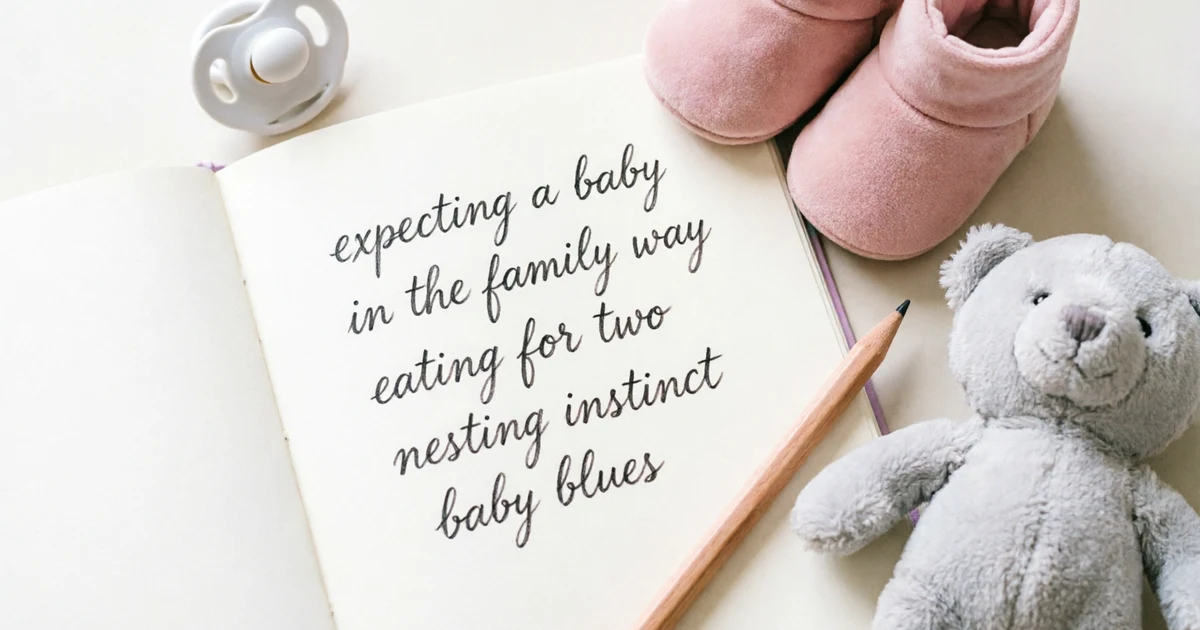
Introduction
Pregnancy has many direct words, gentle expressions, funny phrases, and old-fashioned sayings. Some people say pregnant. Others say expecting, with child, or has a bun in the oven. These expressions can feel confusing for students, writers, and ESL learners because they do not all work the same way.
The main difference is simple: idioms for pregnancy use figurative language, while euphemisms for pregnancy use softer or more polite wording. Some expressions can do both, but they do not mean exactly the same thing.
For example, bun in the oven is an idiom because it creates a picture that does not literally mean what the words say. Expecting is a euphemism because it gently means someone is pregnant without saying the word directly.
This guide explains idioms for pregnancy, euphemisms for pregnancy, their differences, their overlap, and how to use them correctly in writing, conversation, and learning English.
What “Idioms for Pregnancy” Mean
Idioms for pregnancy are figurative expressions that mean someone is pregnant, even though the words do not state pregnancy directly.
A simple definition: an idiom for pregnancy is a fixed or common phrase that uses indirect, often colorful language to talk about pregnancy.
The purpose of pregnancy idioms is to make speech more playful, casual, expressive, or culturally familiar. They often sound warmer or less formal than the direct word pregnant.
A short example:
“She has a bun in the oven.”
This means she is pregnant. It does not mean there is real bread in an oven.
Idioms for pregnancy often confuse ESL learners because the meaning does not come from the literal words. A learner might understand bun and oven separately but still miss the real meaning.
What Euphemisms for Pregnancy Mean
Euphemisms for pregnancy are softer or more polite ways to say someone is pregnant. They avoid direct wording and often sound gentler, more respectful, or more private.
A simple definition: a euphemism for pregnancy is a mild expression that replaces the direct word pregnant.
The purpose of pregnancy euphemisms is usually politeness, sensitivity, privacy, or social comfort. People may use them when the topic feels personal or when they want a warmer tone.
A short example:
“She is expecting.”
This means she is pregnant. The phrase sounds polite, simple, and common.
Euphemisms for pregnancy get confused with idioms because both avoid the direct word pregnant. However, not every euphemism is an idiom. Expecting has a soft meaning, but it does not create a strange figurative image like bun in the oven.
Idioms for Pregnancy vs Euphemisms for Pregnancy: The Core Difference
The core difference is this: idioms rely on figurative meaning, while euphemisms rely on gentle or polite replacement.
An idiom makes sense as a phrase, not through the literal meaning of each word. A euphemism makes a direct idea sound softer, more respectful, or less blunt.
So, bun in the oven works as an idiom because the phrase paints a funny image. Expecting works as a euphemism because it politely replaces pregnant.
Some phrases can overlap. For example, in the family way is both old-fashioned and indirect. It can work as a euphemism because it softens the topic, and it can feel idiomatic because the full meaning is not completely literal.
Quick Comparison Table
| Point | Idioms for Pregnancy | Euphemisms for Pregnancy |
|---|---|---|
| Definition | Figurative phrases that mean someone is pregnant | Softer or more polite ways to say someone is pregnant |
| Scope | Usually colorful, casual, or cultural | Usually polite, gentle, private, or formal |
| Purpose | To sound expressive, playful, vivid, or informal | To avoid blunt or direct wording |
| Length | Often short phrases | Often short words or phrases |
| Structure | Fixed expressions with non-literal meaning | Mild replacements for direct words |
| Meaning | The phrase means more than the literal words | The phrase means the same thing in a softer way |
| Use in writing | Good for dialogue, humor, character voice, casual style | Good for polite writing, sensitive tone, family context |
| Example | “She has a bun in the oven.” | “She is expecting.” |
How Idioms for Pregnancy Work
Idioms for pregnancy work by using figurative language. The words create an image, but the real meaning sits behind the image.
Take this example:
“They have a little one on the way.”
The phrase on the way does not mean the baby is walking down the street. It means the baby will arrive in the future. The phrase gives pregnancy a warm, hopeful feeling.
Pregnancy idioms often work through images of arrival, growth, family, or hidden news. They may sound funny, sweet, old-fashioned, or casual depending on the phrase.
Writers use them to make dialogue feel natural. Students use them to understand informal English. ESL learners need them because native speakers often use indirect phrases in everyday conversation.
How Euphemisms for Pregnancy Work
Euphemisms for pregnancy work by replacing a direct word with a softer expression. They do not always use strong imagery. Instead, they reduce bluntness.
For example:
“She is with child.”
This phrase means she is pregnant. It sounds old-fashioned, gentle, and formal. It does not feel as playful as bun in the oven.
Another common euphemism is:
“She is expecting a baby.”
This phrase sounds warm and polite. It focuses on the future baby rather than the physical state of pregnancy.
Euphemisms often appear in family conversations, announcements, formal writing, older literature, and polite social speech.
Key Differences in Simple Language
Idioms for pregnancy and euphemisms for pregnancy both avoid saying pregnant directly. That creates the confusion.
The difference comes from how they avoid it.
An idiom uses figurative meaning. The words do not directly say what they mean. Bun in the oven means pregnancy through a playful image.
A euphemism uses soft wording. The phrase still points clearly to the idea, but it sounds gentler. Expecting means pregnancy in a polite way.
Idioms often feel more casual. Euphemisms can sound more respectful or formal. Idioms may add humor or personality. Euphemisms usually protect tone, privacy, or politeness.
Can Idioms and Euphemisms for Pregnancy Overlap?
Yes, idioms and euphemisms for pregnancy can overlap.
Some expressions use figurative language and also soften the topic. For example:
“She is in the family way.”
This phrase does not directly say pregnant, so it works as a euphemism. It also has a fixed, old-fashioned meaning that learners may not understand from the individual words, so it can feel idiomatic too.
Another example:
“They have a baby on the way.”
This phrase sounds gentle and indirect, so it can act like a euphemism. It also uses the figurative idea of something being on the way, so it has an idiomatic quality.
The overlap matters because English expressions do not always fit into one clean box. In real speech, meaning, tone, culture, and context all matter.
Examples of Idioms for Pregnancy
Here are common idioms and idiom-like expressions related to pregnancy.
Bun in the Oven
Meaning: someone is pregnant.
Example:
“Everyone smiled when she said she had a bun in the oven.”
Tone: informal, playful, warm.
This phrase sounds casual. It works best in friendly conversation, light writing, or dialogue. Avoid it in serious medical, legal, or formal contexts.
A Baby on the Way
Meaning: someone is pregnant and will have a baby soon.
Example:
“They have a baby on the way this spring.”
Tone: warm, natural, family-friendly.
This phrase feels softer and more common than many older idioms. It works well in everyday English.
Eating for Two
Meaning: a pregnant person may need extra food because of the baby.
Example:
“She joked that she was eating for two.”
Tone: casual, sometimes humorous.
Use this phrase carefully. It can sound light and friendly, but it may also feel too personal if you comment on someone’s body or eating habits.
In the Family Way
Meaning: pregnant.
Example:
“In older novels, a woman might be described as being in the family way.”
Tone: old-fashioned, literary, indirect.
This phrase rarely appears in modern casual speech. Writers may use it to create a historical or traditional tone.
Knocked Up
Meaning: pregnant.
Example:
“The character said she got knocked up when she was young.”
Tone: very informal, sometimes rude or disrespectful.
This phrase can sound harsh. Avoid it in polite speech unless you discuss informal language, quote dialogue, or write a character who would naturally use it.
Up the Duff
Meaning: pregnant.
Example:
“The phrase up the duff appears in British informal English.”
Tone: British, informal, slangy.
This phrase may sound strange to learners outside the UK. It does not suit formal writing.
A Little One on the Way
Meaning: someone is expecting a baby.
Example:
“They announced they had a little one on the way.”
Tone: gentle, affectionate, warm.
This phrase works well for announcements and friendly writing.
Examples of Euphemisms for Pregnancy
Here are common euphemisms and polite expressions for pregnancy.
Expecting
Meaning: pregnant.
Example:
“My sister is expecting.”
Tone: polite, natural, widely accepted.
This is one of the safest and most common alternatives to pregnant.
Expecting a Baby
Meaning: pregnant and waiting for the baby’s birth.
Example:
“They are expecting a baby in July.”
Tone: warm, clear, respectful.
This phrase works in conversation, announcements, and general writing.
With Child
Meaning: pregnant.
Example:
“The poem describes a woman who is with child.”
Tone: old-fashioned, formal, literary.
This phrase appears more often in literature, religion, historical writing, or formal contexts than in everyday speech.
Pregnant with Her First Child
Meaning: carrying her first baby.
Example:
“She is pregnant with her first child.”
Tone: direct but respectful.
This is not really a euphemism because it uses the word pregnant, but it sounds clear and appropriate in many contexts.
Starting a Family
Meaning: planning or beginning life as parents.
Example:
“They are starting a family.”
Tone: broad, gentle, indirect.
This phrase can mean pregnancy, but it can also mean adoption, planning children, or beginning parenthood. Context matters.
Going to Be a Mother
Meaning: someone will become a mother.
Example:
“She is going to be a mother soon.”
Tone: emotional, warm, personal.
This phrase focuses on the future role, not the physical condition.
Having a Baby
Meaning: pregnant or giving birth, depending on context.
Example:
“She is having a baby in September.”
Tone: common, clear, friendly.
This phrase works well because it sounds natural and easy to understand.
Idioms vs Euphemisms in Literature and Writing
Writers choose pregnancy expressions based on tone, character, setting, and purpose.
A modern character might say:
“She’s expecting.”
A humorous character might say:
“She’s got a bun in the oven.”
A historical narrator might write:
“She was with child.”
A rough or careless character might say:
“She got knocked up.”
Each phrase tells the reader more than the basic fact. It shows attitude, social class, time period, relationship, and emotional tone.
In literature, pregnancy expressions can also create themes. A soft phrase may show tenderness. A rude phrase may show judgment. An old-fashioned phrase may place the story in another era. A playful idiom may make a serious life change feel lighter.
Good writers do not choose these phrases randomly. They ask: Who is speaking? Who is listening? What mood should the sentence create?
Idioms vs Euphemisms for Students and ESL Learners
Students and ESL learners should learn both direct and indirect pregnancy expressions.
Start with the direct word:
“She is pregnant.”
This phrase is clear, neutral, and correct.
Then learn polite alternatives:
“She is expecting.”
“She is having a baby.”
“They have a baby on the way.”
After that, learn idioms and slang:
“She has a bun in the oven.”
“She is in the family way.”
The safest phrases for learners are pregnant, expecting, and having a baby. These expressions sound natural in most situations.
Use slang carefully. Some pregnancy slang sounds rude, outdated, or too personal. When in doubt, choose a respectful phrase.
Common Mistakes and Confusion
Mistake 1: Thinking Every Indirect Phrase Is an Idiom
Not every indirect phrase is an idiom. Expecting is indirect, but it is mainly a euphemism. Bun in the oven is an idiom because the literal words do not directly explain the meaning.
Mistake 2: Using Funny Idioms in Formal Writing
A phrase like bun in the oven does not fit a medical article, school report, legal document, or formal announcement. Use pregnant, expecting, or having a baby instead.
Mistake 3: Using Rude Slang Without Understanding Tone
Some expressions, such as knocked up, can sound disrespectful. They may work in realistic dialogue, but they can offend people in real conversation.
Mistake 4: Commenting on Someone’s Pregnancy Without Certainty
Pregnancy is personal. Do not use idioms or euphemisms to guess about someone’s body. Say something only when the person has shared the news.
Mistake 5: Confusing “Starting a Family” with Pregnancy Only
Starting a family can mean pregnancy, adoption, planning for children, or becoming parents. It does not always mean someone is currently pregnant.
When to Use Idioms and When to Use Euphemisms
Use idioms for pregnancy when you want a casual, playful, expressive, or character-driven tone.
Good situations for idioms include:
Friendly conversations
Creative writing
Dialogue
Humorous writing
Informal announcements
Example:
“We just found out there’s a bun in the oven.”
Use euphemisms for pregnancy when you want a polite, gentle, respectful, or sensitive tone.
Good situations for euphemisms include:
Family announcements
General conversation
School writing
Workplace communication
Formal but warm writing
Example:
“She is expecting her first baby.”
Use the direct word pregnant when clarity matters most.
Good situations for direct wording include:
Health information
Medical writing
News reports
Educational content
Clear explanations
Example:
“She is pregnant and has a doctor’s appointment next week.”
Related Terms People Often Confuse With Them
Slang
Slang is very informal language used by certain groups or in casual speech. Knocked up and up the duff are slang expressions for pregnancy. Slang can also be idiomatic or euphemistic, but it often carries a stronger social tone.
Figurative Language
Figurative language means words that go beyond literal meaning. Idioms belong under figurative language because they say one thing but mean another.
Metaphor
A metaphor describes one thing as another thing. Some pregnancy idioms may contain metaphorical thinking, but not every idiom works like a clear metaphor.
Euphemism
A euphemism softens a direct or sensitive idea. Expecting is a common pregnancy euphemism.
Colloquial Expression
A colloquial expression sounds natural in everyday speech. A baby on the way is colloquial because people use it in normal conversation.
Old-Fashioned Expression
Some pregnancy phrases sound dated now. With child and in the family way often appear in older books, historical settings, or formal religious language.
Conclusion
Idioms for pregnancy and euphemisms for pregnancy both help people talk about pregnancy without always using the direct word pregnant. The difference lies in how they work.
Idioms use figurative or fixed expressions, such as bun in the oven or in the family way. Euphemisms use softer, more polite wording, such as expecting or having a baby.
For students and ESL learners, the safest choices are pregnant, expecting, and having a baby. Writers can use more colorful idioms when they want humor, personality, character voice, or a specific cultural tone.
The best expression depends on context. Choose clear words for serious writing, gentle words for polite conversation, and idioms for informal or creative situations.
FAQs
What are idioms for pregnancy?
Idioms for pregnancy are figurative expressions that mean someone is pregnant. Examples include bun in the oven, a baby on the way, and in the family way.
What is the most common polite way to say pregnant?
The most common polite expression is expecting. You can say, “She is expecting” or “They are expecting a baby.”
Is “bun in the oven” rude?
No, bun in the oven usually sounds playful and informal. However, it may feel too casual for formal writing or serious situations.
Is “knocked up” a good phrase to use?
Use knocked up carefully. It is very informal and can sound rude or disrespectful. It works better in dialogue or slang explanations than in polite conversation.
Are pregnancy idioms and euphemisms the same?
No. Pregnancy idioms use figurative meaning, while pregnancy euphemisms use softer or more polite wording. Some phrases can overlap, but they are not always the same.
What does “with child” mean?
With child means pregnant. It sounds old-fashioned, formal, or literary, so people do not use it much in everyday modern speech.
What should ESL learners say instead of pregnancy idioms?
ESL learners can safely say pregnant, expecting, or having a baby. These expressions sound clear, natural, and respectful in most contexts.