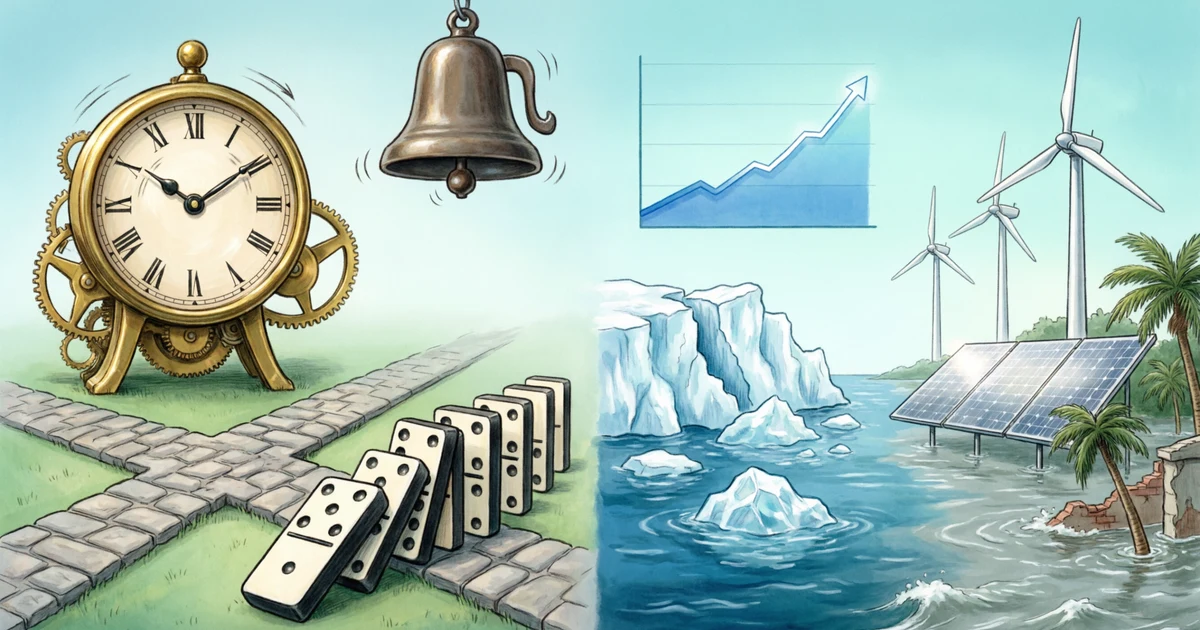
Idioms for climate change can make environmental writing more vivid, emotional, and memorable. Phrases such as “the clock is ticking,” “a wake-up call,” and “at a tipping point” help writers describe urgency, danger, responsibility, and the need for action.
However, these expressions do not explain climate change in a direct or scientific way. They use figurative language to communicate an idea. Literal climate change expressions, such as “global temperatures are rising” or “greenhouse gases trap heat,” state information clearly and directly.
The core difference is simple: climate change idioms express environmental ideas figuratively, while literal climate change expressions communicate them directly.
Both forms have value. Idioms can strengthen speeches, articles, stories, and awareness campaigns. Literal expressions work better when accuracy, clarity, and factual explanation matter most. Understanding the difference helps students, writers, and ESL learners choose language that suits their purpose.
What Climate Change Idioms Mean
Climate change idioms are figurative expressions used to describe environmental problems, climate risks, human responsibility, or urgent action.
Their meaning usually cannot be understood by reading each word literally. For example, “the clock is ticking” does not mean that an actual clock controls the climate. It means that the time available to prevent greater harm is becoming limited.
Simple definition
A climate change idiom is a fixed or familiar figurative phrase used to communicate an environmental idea indirectly.
Purpose
Writers use these idioms to:
- create urgency
- make complex ideas easier to imagine
- add emotion to a message
- persuade people to care or act
- make environmental writing more memorable
How it works
An idiom connects climate change with a familiar image, action, or situation. The reader interprets the hidden meaning rather than the exact words.
Short example
The clock is ticking on climate action.
This means that action must happen soon.
Why it gets confused with literal expressions
Many climate-related idioms appear in news reports, speeches, and educational writing. Because they describe real problems, learners may mistake them for direct scientific statements.
What Literal Climate Change Expressions Mean
Literal climate change expressions communicate environmental information directly. Their words carry their normal meanings and do not depend on symbolism or hidden interpretation.
For example, “sea levels are rising” directly describes an observable environmental change. The sentence does not ask the reader to imagine another situation.
Simple definition
A literal climate change expression states an environmental fact, process, observation, or idea in direct language.
Purpose
Writers use literal expressions to:
- explain climate science
- report evidence
- describe environmental effects
- give clear instructions
- avoid misunderstanding
- support factual arguments
How it works
The words mean exactly what they normally mean. The reader does not need to interpret a symbolic image.
Short example
Higher temperatures can increase the frequency and intensity of some heatwaves.
The sentence directly explains a climate-related effect.
Why it gets confused with idioms
Some literal expressions sound dramatic, especially when they describe serious risks. However, strong language does not automatically make a sentence figurative.
Climate Change Idioms vs Literal Climate Change Expressions: The Core Difference
The main difference lies in how meaning reaches the reader.
A climate change idiom communicates through imagery or implied meaning. A literal expression communicates through direct meaning.
Consider these two sentences:
Idiomatic: We are standing at a crossroads in the fight against climate change.
Literal: Governments must choose between continuing high emissions and adopting stronger climate policies.
Both sentences describe an important decision. The first creates the image of a crossroads. The second states the choice directly.
Climate change idioms are generally more symbolic and expressive. Literal climate expressions are more precise and informative.
Quick Comparison Table
| Point | Climate Change Idioms | Literal Climate Change Expressions |
|---|---|---|
| Definition | Figurative phrases connected with climate issues | Direct statements about climate issues |
| Scope | Emotional, persuasive, or symbolic communication | Scientific, explanatory, or factual communication |
| Purpose | To create imagery, urgency, or emotional impact | To explain information clearly and accurately |
| Length | Usually a short phrase or familiar expression | Can be a phrase, sentence, paragraph, or full explanation |
| Structure | Often fixed or commonly repeated wording | Flexible and based on the information being stated |
| Meaning | Indirect or nonliteral | Direct and literal |
| Use in writing | Speeches, headlines, campaigns, essays, stories | Reports, textbooks, articles, research, instructions |
| Example | “The clock is ticking.” | “Delaying action may increase future climate risks.” |
How Climate Change Idioms Work
Climate change idioms work by linking an environmental issue to something familiar. A writer may compare climate danger to a warning bell, a race, a crossroads, a domino effect, or a point of no return.
These familiar images help readers understand abstract ideas quickly.
For example:
Climate change is no longer a distant storm on the horizon.
The expression “a storm on the horizon” suggests an approaching danger. It does not refer only to a real storm. The phrase communicates that a problem once seen as distant has become more immediate.
Idioms often rely on shared cultural understanding. This can make them powerful, but it can also make them difficult for ESL learners. Someone who translates an idiom word by word may miss its intended meaning.
Writers should therefore consider their audience. A common idiom may strengthen a public speech, while an unfamiliar expression may confuse readers who need a clear explanation.
How Literal Climate Change Expressions Work
Literal expressions describe climate topics without symbolic language. They explain what is happening, why it is happening, or what people can do about it.
For example:
Burning fossil fuels releases carbon dioxide into the atmosphere.
Every important word carries its direct meaning. The sentence explains a process rather than representing it through an image.
Literal language plays an important role in educational and scientific communication because it reduces ambiguity. It allows writers to define terms, present evidence, compare changes, and describe causes or consequences.
A literal explanation can still be engaging. Direct language does not have to sound dull.
For instance:
Longer and more intense heatwaves can place pressure on health services, agriculture, and electricity systems.
This sentence remains clear while showing why the issue matters.
Key Differences in Simple Language
Climate change idioms and literal climate expressions differ in several important ways.
Directness
Idioms communicate indirectly. Literal expressions communicate directly.
Idiom: The planet is sending us a warning.
Literal: Rising temperatures and changing weather patterns provide evidence of growing climate risks.
Meaning
Idioms have a meaning beyond their individual words. Literal sentences mean what they say.
Idiom: We are playing with fire.
This means that people are taking serious risks.
Literal: Continued emissions may increase the risk of severe climate impacts.
Purpose
Idioms usually aim to persuade, inspire, warn, or create emotion. Literal expressions aim to explain, describe, or inform.
Precision
Literal expressions generally offer more precision. Idioms summarize an idea but may leave details unclear.
Structure
Many idioms use a familiar fixed form, such as “tip of the iceberg.” Literal expressions can take almost any grammatical form.
Tone
Idioms often sound dramatic, conversational, or persuasive. Literal language usually sounds more neutral, academic, or informative.
Can Climate Change Idioms and Literal Expressions Overlap?
Yes. Writers often combine both forms in the same sentence or paragraph.
For example:
The clock is ticking, and every year of delayed emissions reduction makes long-term climate goals harder to reach.
“The clock is ticking” is idiomatic. The rest of the sentence explains the idea literally.
This combination works well because the idiom captures attention while the literal explanation provides clarity.
Another example is:
Climate policy has reached a crossroads, with governments deciding whether to expand clean energy or continue relying heavily on fossil fuels.
The first part uses figurative language. The second explains the decision directly.
Writers should not treat idiomatic and literal language as enemies. Strong communication often uses both. The key is to make sure the figurative phrase does not replace necessary facts.
Examples of Climate Change Idioms
The following idioms can help writers discuss climate change, environmental danger, responsibility, and action.
1. The clock is ticking
Meaning: Time is running out.
Example: The clock is ticking, so countries must accelerate efforts to reduce emissions.
2. A wake-up call
Meaning: An event that makes people recognize a serious problem.
Example: The record-breaking heat became a wake-up call for local leaders.
3. At a crossroads
Meaning: At a point where an important choice must be made.
Example: The energy sector stands at a crossroads between fossil fuels and cleaner alternatives.
4. The tip of the iceberg
Meaning: A small visible part of a much larger problem.
Example: Coastal flooding may be only the tip of the iceberg for vulnerable communities.
5. A drop in the ocean
Meaning: An amount too small to create a major effect.
Example: One recycling campaign may feel like a drop in the ocean, but larger systems often begin with small steps.
6. Add fuel to the fire
Meaning: Make a bad situation worse.
Example: Continued deforestation adds fuel to the fire by reducing the number of trees that absorb carbon dioxide.
7. Play with fire
Meaning: Take a dangerous risk.
Example: Ignoring extreme heat warnings means playing with fire.
8. Weather the storm
Meaning: Survive or manage a difficult period.
Example: Cities need stronger infrastructure to weather the storm of future climate risks.
9. Turn the tide
Meaning: Reverse a negative trend.
Example: Rapid investment in clean energy could help turn the tide on rising emissions.
10. A point of no return
Meaning: A stage after which reversal becomes extremely difficult or impossible.
Example: Scientists and policymakers often warn against approaching irreversible environmental thresholds.
Writers should use “point of no return” carefully. It can oversimplify climate science when a problem has several different thresholds rather than one single final moment.
11. On thin ice
Meaning: In a dangerous or uncertain situation.
Example: Communities that depend on unstable water supplies are already on thin ice.
12. A storm is brewing
Meaning: A serious problem is developing.
Example: A storm is brewing for agricultural regions facing heat, drought, and water shortages.
13. Face the heat
Meaning: Accept pressure, criticism, or consequences.
Example: Industries with high emissions may soon have to face the heat from regulators and consumers.
14. Under the weather
Meaning: Feeling unwell.
Example: The phrase can appear in climate writing as wordplay: When the planet is under the weather, human health suffers too.
This idiom normally refers to a person’s health, so writers should signal clearly when they use it creatively.
15. Cool things down
Meaning: Reduce tension or, in climate writing, reduce warming.
Example: Cutting greenhouse gas emissions can help limit future warming and cool things down over time.
16. Fan the flames
Meaning: Make a problem or conflict more intense.
Example: Misinformation can fan the flames of public confusion about climate policy.
17. In hot water
Meaning: In trouble.
Example: Companies that exaggerate their environmental progress may find themselves in hot water.
18. A chain reaction
Meaning: One event causes several connected events.
Example: Climate damage can trigger a chain reaction involving crops, food prices, health, and migration.
“Chain reaction” can function literally in science or figuratively in general writing, depending on context.
19. The domino effect
Meaning: One change causes a series of other changes.
Example: The loss of one habitat can create a domino effect across an ecosystem.
20. Green shoots
Meaning: Early signs of improvement or recovery.
Example: Falling clean-energy costs offer green shoots of hope in the climate transition.
21. Move the needle
Meaning: Make a noticeable difference.
Example: Individual choices matter, but major policies can move the needle more quickly.
22. Put out fires
Meaning: Deal with urgent problems instead of preventing them.
Example: Governments often spend more money putting out fires after disasters than preparing communities beforehand.
The phrase may also be literal when discussing wildfires, so context matters.
23. Bury your head in the sand
Meaning: Refuse to face an obvious problem.
Example: Leaders cannot bury their heads in the sand while climate risks continue to grow.
24. A breath of fresh air
Meaning: A welcome and refreshing change.
Example: The city’s new clean-transport plan felt like a breath of fresh air.
25. Go green
Meaning: Adopt environmentally responsible habits or practices.
Example: Many businesses want to go green by reducing waste and using renewable energy.
Examples of Literal Climate Change Expressions
Literal climate expressions communicate information without hidden meanings.
1. Global temperatures are increasing
This directly describes a long-term warming trend.
Example: Global temperatures have increased because human activities have raised the concentration of heat-trapping gases in the atmosphere.
2. Greenhouse gases trap heat
This explains a physical process.
Example: Carbon dioxide and other greenhouse gases trap heat in the atmosphere.
3. Sea levels are rising
This directly describes a measured environmental change.
Example: Sea levels are rising because warming water expands and land-based ice is melting.
4. Heatwaves are becoming more dangerous
This states a climate-related risk directly.
Example: More intense heatwaves can increase illness, deaths, and pressure on electricity systems.
5. Climate change affects rainfall patterns
This explains a broad environmental effect.
Example: Climate change can alter when, where, and how heavily rain falls.
6. Emissions must decline
This is a direct statement about action.
Example: Global greenhouse gas emissions must decline substantially to limit future warming.
7. Renewable energy can replace fossil-fuel generation
This describes a possible energy transition.
Example: Solar, wind, hydroelectric, and other low-carbon sources can reduce reliance on fossil fuels.
8. Deforestation contributes to climate change
This states a cause-and-effect relationship.
Example: Deforestation contributes to climate change by releasing stored carbon and reducing carbon absorption.
9. Climate adaptation reduces vulnerability
This explains the purpose of adaptation.
Example: Flood barriers, heat plans, drought-resistant crops, and early-warning systems can reduce climate vulnerability.
10. Climate change affects ecosystems
This directly describes environmental consequences.
Example: Changes in temperature and rainfall can alter habitats, food supplies, and migration patterns.
Climate Change Idioms vs Literal Expressions in Literature and Writing
Writers choose between idiomatic and literal language according to genre, audience, and purpose.
In fiction
Fiction writers often use climate idioms to create atmosphere or reveal a character’s feelings.
Example: The town had ignored every warning, and now the storm clouds were gathering in more ways than one.
The storm clouds may refer to both real weather and approaching trouble.
Literal language also appears in fiction when a character explains what is happening.
Example: The river had risen by another half metre, forcing families to leave the lowest streets.
This sentence gives the reader clear information.
In poetry
Poets often use figurative expressions to connect climate change with loss, fear, memory, or hope.
Example: The earth is holding its breath beneath a burning sky.
This is not a fixed everyday idiom, but it uses idiomatic and metaphorical language.
Literal details can make climate poetry more concrete.
Example: The shoreline now reaches the steps where children once played.
In persuasive essays
Idioms can create a strong opening or conclusion.
Example: Humanity stands at a crossroads.
The writer should then explain the literal choices and evidence.
In news writing
Headlines often use idioms because they need to attract attention quickly.
Examples include:
- Climate action reaches a crossroads
- The clock is ticking for coastal cities
- New report sounds the alarm
The body of the article should use precise language to explain what the headline means.
In scientific writing
Scientific reports usually limit idiomatic language because figurative phrases can introduce ambiguity. Researchers generally prefer exact terms, measurements, defined processes, and carefully stated levels of certainty.
Climate Change Idioms vs Literal Expressions for Students and ESL Learners
Students and ESL learners can understand the difference by asking one question:
Do the words mean exactly what they say?
If the answer is no, the phrase may be idiomatic or figurative.
Consider:
The planet is at a crossroads.
A planet cannot literally stand where two roads meet. The expression means that people face an important choice.
Now consider:
Governments must decide how quickly to reduce fossil-fuel use.
The words carry their ordinary meanings. This is literal language.
A simple learning method
Use three steps when studying a climate-related expression:
- Read the phrase in context.
- Check whether the image is physically literal.
- Rewrite it in direct language.
For example:
Idiom: We are running out of time.
Direct meaning: Delaying climate action may make future risks harder and more expensive to manage.
This rewriting exercise helps learners understand both figurative meaning and practical use.
Why context matters
Some expressions can be literal in one sentence and figurative in another.
Literal: Firefighters worked through the night to put out the fires.
Figurative: The government kept putting out fires instead of creating a long-term climate plan.
In the first sentence, real fires are burning. In the second, “putting out fires” means dealing with urgent problems one at a time.
Common Mistakes and Confusion
Treating every environmental phrase as an idiom
A phrase about climate change is not automatically an idiom.
The climate is changing is literal.
The winds of change are blowing is figurative.
Confusing idioms with metaphors
Many climate expressions use metaphor, but not every metaphor is an idiom.
An idiom is usually familiar and established in common language.
The clock is ticking is an idiom.
The atmosphere is a heavy blanket stitched by industry is a creative metaphor, not a common fixed idiom.
Translating idioms word for word
Literal translation may produce confusing or incorrect language. ESL learners should learn the meaning of the whole expression.
For example, “a drop in the ocean” means a very small amount compared with what is needed. It does not usually describe an actual drop of water.
Using too many idioms
A paragraph filled with figurative phrases can sound exaggerated.
Weak example:
The clock is ticking, the storm is brewing, we are on thin ice, and the planet is at a crossroads.
The message feels crowded because every phrase competes for attention.
Better version:
The clock is ticking. Without faster emissions reductions, communities may face greater heat, flooding, and food insecurity.
One idiom creates emphasis, while the literal sentence explains the problem.
Presenting an idiom as scientific evidence
Idioms can illustrate an argument, but they cannot prove it.
“The planet is sounding the alarm” may create urgency, but the writer still needs evidence, examples, or reliable data.
Using absolute language carelessly
Expressions such as “point of no return” and “too late to act” can be misleading when they suggest that all action becomes useless after one moment.
Climate risks often increase gradually, and every reduction in future warming can still matter. Writers should avoid language that encourages hopelessness or oversimplifies complex thresholds.
Mixing weather and climate
Weather describes short-term atmospheric conditions. Climate describes long-term patterns.
A single hot day does not, by itself, explain climate change. Writers should use direct and accurate language when connecting individual events with broader climate trends.
When to Use Climate Change Idioms and When to Use Literal Expressions
Use climate change idioms when you want to:
- capture attention
- create emotional impact
- introduce an argument
- simplify an abstract idea
- write a memorable headline
- persuade an audience
- make a speech sound more engaging
Use literal climate expressions when you want to:
- explain scientific information
- present evidence
- define a term
- describe causes and effects
- write instructions or policy guidance
- avoid ambiguity
- support an academic argument
In many cases, the best approach combines both.
Example:
The climate crisis is a wake-up call. Rising temperatures, stronger heat extremes, and changing rainfall patterns show why communities need both emissions reduction and adaptation.
The idiom gains attention. The literal explanation provides meaning and accuracy.
Related Terms People Often Confuse With Them
Metaphor
A metaphor describes one thing as if it were another.
Example: Climate change is a loaded dice.
This suggests that climate change alters the likelihood of certain extreme events. It is a metaphor, but not necessarily a common idiom.
Simile
A simile compares two things using “like” or “as.”
Example: The heat settled over the city like a heavy blanket.
Personification
Personification gives human qualities to something nonhuman.
Example: The planet is warning us.
The planet cannot literally speak or issue a warning.
Analogy
An analogy explains an idea by comparing it with a more familiar situation.
Example: Greenhouse gases can be explained by comparing their warming effect with a blanket that slows heat loss, although the physical processes are not identical.
Symbolism
Symbolism uses an object, image, or event to represent a larger idea.
A melting clock might symbolize urgency, while a cracked globe might represent environmental damage.
Hyperbole
Hyperbole uses deliberate exaggeration for emphasis.
Example: The whole world is burning.
This may express fear or urgency, but it should not replace accurate explanation.
Cliché
A cliché is an expression used so often that it may feel unoriginal.
Phrases such as “save the planet” or “there is no Planet B” can still communicate clearly, but writers should use them carefully and add specific information.
Technical climate terminology
Terms such as mitigation, adaptation, carbon neutrality, decarbonization, resilience, and greenhouse effect are not idioms. They have defined meanings within climate discussions.
Conclusion
Climate change idioms and literal climate change expressions serve different purposes.
Idioms such as “the clock is ticking,” “a wake-up call,” and “at a crossroads” communicate urgency through familiar images. They make writing more persuasive, emotional, and memorable.
Literal expressions such as “global temperatures are rising” and “greenhouse gases trap heat” communicate information directly. They provide the clarity and precision needed in educational, scientific, and factual writing.
The easiest way to distinguish them is to examine the meaning. If the words create an image that represents another idea, the phrase is figurative. If the words state exactly what is happening, the expression is literal.
Strong climate communication often combines both. An idiom can attract attention, but a direct explanation should support it. Writers who balance imagery with accuracy can make climate topics easier to understand without oversimplifying them.
FAQs
What are idioms for climate change?
Idioms for climate change are figurative expressions used to describe climate danger, urgency, responsibility, or action. Examples include “the clock is ticking,” “a wake-up call,” and “turn the tide.”
Is “climate change” itself an idiom?
No. “Climate change” is a literal term that refers to long-term changes in climate patterns. It does not carry a hidden figurative meaning.
Is “global warming” an idiom?
No. “Global warming” is a scientific term describing the long-term increase in Earth’s average surface temperature. It may appear in figurative sentences, but the term itself is literal.
Is “the clock is ticking” a climate change idiom?
“The clock is ticking” is a general idiom that writers often apply to climate change. It means that the available time to act is becoming limited.
Can idioms make climate writing misleading?
Yes, when writers use them without explanation or treat them as scientific facts. Expressions such as “point of no return” may oversimplify complex risks unless the writer defines the specific threshold being discussed.
Should students use climate change idioms in essays?
Students can use them in introductions, conclusions, or persuasive sections. They should support each idiom with clear explanation, evidence, and literal language.
What is the difference between a climate idiom and a climate metaphor?
A climate idiom is usually a familiar expression with an established meaning, such as “weather the storm.” A climate metaphor may be a new or creative comparison, such as “the atmosphere is a crowded heat trap.”