Quick Answer
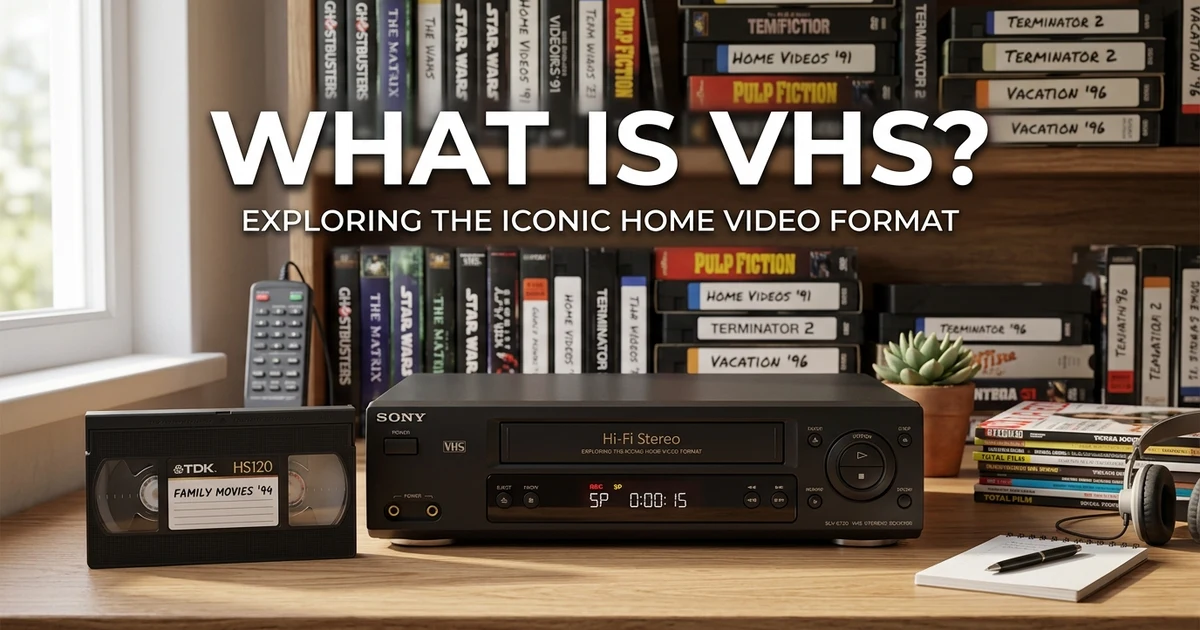
VHS stands for Video Home System, an analog videotape format that became the standard for home video recording and movie playback for many years. People used VHS tapes with a VCR to watch films, record television programs, and save personal memories such as birthdays, weddings, and vacations. Although digital technology has replaced it for everyday use, many people still own VHS collections or convert old tapes into digital files to preserve important recordings.
Introduction
If you grew up before streaming services became popular, chances are you have seen a VHS tape or even used one. These plastic cassettes were once a common part of almost every home. Families rented movies from video stores, recorded their favorite television shows, and created home videos using VHS tapes. For more than two decades, this format shaped the way people enjoyed entertainment at home.
Even though DVDs, Blu ray discs, and online streaming have taken its place, interest in VHS has not disappeared. Some people search for information because they have discovered old family recordings, while others collect classic movies released on videotape. There is also growing interest in preserving aging tapes before the recordings become damaged.
This guide explains what VHS means, how it works, why it became so successful, and why it still matters today. Whether you are simply curious or looking for practical information about old videotapes, you will find clear and easy to understand answers throughout this article.
What Does VHS Mean?
VHS is short for Video Home System. It is a video recording format that stores sound and moving images on magnetic tape sealed inside a plastic cassette. The tape can only be played or recorded using a Video Cassette Recorder, better known as a VCR.
The format was designed to make home video recording simple and affordable. Instead of watching programs only when they aired on television, people could record them and watch them later. They could also purchase or rent movies to enjoy whenever they wanted.
When people mention VHS today, they usually mean one of two things. They may be referring to the videotape itself or to the overall recording format. The intended meaning normally becomes clear from the conversation.
Although newer technologies offer much better picture quality, VHS remains an important milestone in the history of consumer electronics because it changed how people accessed entertainment.
Different Meanings of VHS
| Meaning | Where It Is Used | Simple Explanation | Example |
|---|---|---|---|
| Video Home System | Consumer electronics | Analog home video format | Watching a movie on a VCR |
| VHS tape | Everyday conversation | Physical cassette containing recordings | An old family vacation tape |
| VHS collection | Collecting | Group of videotapes | A shelf full of classic movies |
The History of VHS
The Video Home System was introduced by JVC in 1976. At that time, home video technology was still developing, and several companies were competing to create the best recording format for consumers.
One of its biggest competitors was Betamax. While Betamax delivered very good picture quality, VHS gained a larger audience because it allowed longer recording times and received broader support from manufacturers and movie distributors. As more movies became available on VHS, the format quickly became the preferred choice for households around the world.
During the 1980s and 1990s, VHS dominated home entertainment. Video rental stores became extremely popular, giving people access to thousands of movies without needing to buy every title. Families also used camcorders that recorded directly onto VHS compatible tapes, making it easy to capture important moments.
As technology improved, DVDs offered sharper images, better sound, and easier navigation. Later, Blu ray discs and streaming platforms pushed VHS into retirement. Even so, its influence on modern entertainment remains significant.
How VHS Works
A VHS cassette contains a long strip of magnetic tape wrapped around two reels. When the cassette is inserted into a VCR, the machine carefully pulls the tape across rotating heads that read or record information.
During recording, video and audio signals are stored as magnetic patterns on the tape. During playback, the VCR reads those patterns and converts them into moving pictures and sound that appear on a television.
Because the recording is analog rather than digital, repeated use gradually reduces picture quality. Scratches, dust, moisture, and poor storage conditions can also damage the tape over time.
Despite these limitations, VHS provided reliable home video recording for millions of people during its peak years.
Common Uses of VHS
People used VHS for much more than watching movies. It became an everyday tool for entertainment, education, and preserving memories.
Some common uses included:
- Recording television programs.
- Watching rented or purchased movies.
- Saving family celebrations and holidays.
- Recording school performances and sporting events.
- Educational videos in classrooms.
- Employee training in workplaces.
- Home camcorder recordings.
For many families, these tapes became a time capsule containing moments that might not exist anywhere else today.
VHS Compared With Other Formats
| Format | Storage Method | Picture Quality | Best For |
|---|---|---|---|
| VHS | Magnetic tape | Standard definition | Home recording and classic movie collections |
| Betamax | Magnetic tape | Slightly sharper | Early home video enthusiasts |
| DVD | Optical disc | Higher quality | Movies and long term playback |
| Blu ray | Optical disc | High definition | Modern home entertainment |
| Digital files | Electronic storage | Excellent quality | Easy sharing and backup |
Advantages of VHS
For many years, VHS became the preferred home video format because it was practical, affordable, and easy to use. It gave people more control over what they watched and when they watched it.
Some of the biggest advantages included:
- Long recording times for television shows and movies.
- Simple playback using a VCR.
- Affordable equipment and tapes during its peak.
- A huge library of movies available to rent or buy.
- Easy way to record family events and personal memories.
Another major benefit was convenience. Before streaming services and digital recorders existed, VHS allowed viewers to save television programs and watch them later. This changed how families enjoyed entertainment at home.
Why VHS Was So Popular
Several factors helped VHS become the leading home video format for more than two decades.
First, it offered longer recording times than many competing formats. This made it possible to record full movies, sporting events, and television programs without changing tapes.
Second, movie studios released a large number of films on VHS, making it easy for consumers to build their own collections or rent titles from local video stores.
Finally, VCRs became more affordable over time, allowing millions of households to own one. As more people adopted the format, VHS became the industry standard.
Why People Still Keep VHS Tapes
Although modern technology offers better picture quality and greater convenience, many people still hold on to their old videotapes.
One common reason is sentimental value. Countless families have recordings of birthdays, weddings, graduations, and holidays that exist only on VHS. These memories cannot easily be recreated if the tapes become damaged.
Collectors also appreciate VHS because certain movie releases, limited editions, and original packaging have become nostalgic collectibles. Some independent filmmakers even enjoy the unique analog look that videotape produces.
How to Preserve Old VHS Tapes
If you still own important videotapes, taking proper care of them can help extend their lifespan.
Here are a few simple tips:
- Store tapes in a cool and dry location.
- Keep them away from direct sunlight.
- Avoid placing them near strong magnets or electronic equipment that may interfere with magnetic media.
- Store cassettes upright instead of stacking them for long periods.
- Handle tapes carefully to prevent physical damage.
For valuable family recordings, consider converting them into digital files. Digital copies are easier to back up, share with relatives, and watch on modern devices.
Common Mistakes
People often misunderstand how VHS works or how it should be stored. Avoiding these mistakes can help protect old recordings.
- Confusing a VHS tape with a VCR. The tape stores the recording, while the VCR plays or records it.
- Assuming magnetic tapes last forever. They naturally deteriorate over time.
- Keeping tapes in hot attics, damp basements, or direct sunlight.
- Throwing away old cassettes without checking what they contain.
- Expecting analog recordings to look as sharp as modern digital video.
Understanding these differences helps prevent disappointment and protects valuable memories.
Conclusion
VHS, short for Video Home System, transformed home entertainment by making it easy to watch movies, record television programs, and preserve personal memories. It played a major role in the development of home video technology and remained the leading format for many years.
Although digital media has replaced VHS for everyday use, old videotapes still have historical, sentimental, and collectible value. Whether you own family recordings or classic movie collections, taking care of your tapes and preserving important content can ensure those memories continue to be enjoyed in the future.
FAQs
What does VHS stand for?
VHS stands for Video Home System, an analog videotape format designed for home video recording and playback.
Is VHS still available today?
Yes. While new VHS movies and VCRs are no longer common, many used tapes and players are still available through collectors and secondhand sellers.
What is the difference between VHS and a VCR?
A VHS is the videotape that stores video and audio, while a VCR is the machine used to record and play those tapes.
Why did VHS replace Betamax?
VHS gained popularity because it offered longer recording times, wider industry support, and a larger selection of movies.
Can VHS tapes be converted to digital?
Yes. You can transfer old recordings to digital files using a VHS capture device or a professional conversion service.
How long can a VHS tape last?
With proper storage, many tapes remain playable for 20 to 30 years or more. However, picture and sound quality usually decline as the magnetic tape ages.
Are old VHS tapes valuable?
Most used tapes have little monetary value, but some rare editions, sealed copies, and limited releases are sought after by collectors.
Should I keep my old VHS tapes?
If they contain personal memories or hard to find recordings, it is worth keeping them until you can create digital backups. This helps preserve important content before the tapes begin to deteriorate.