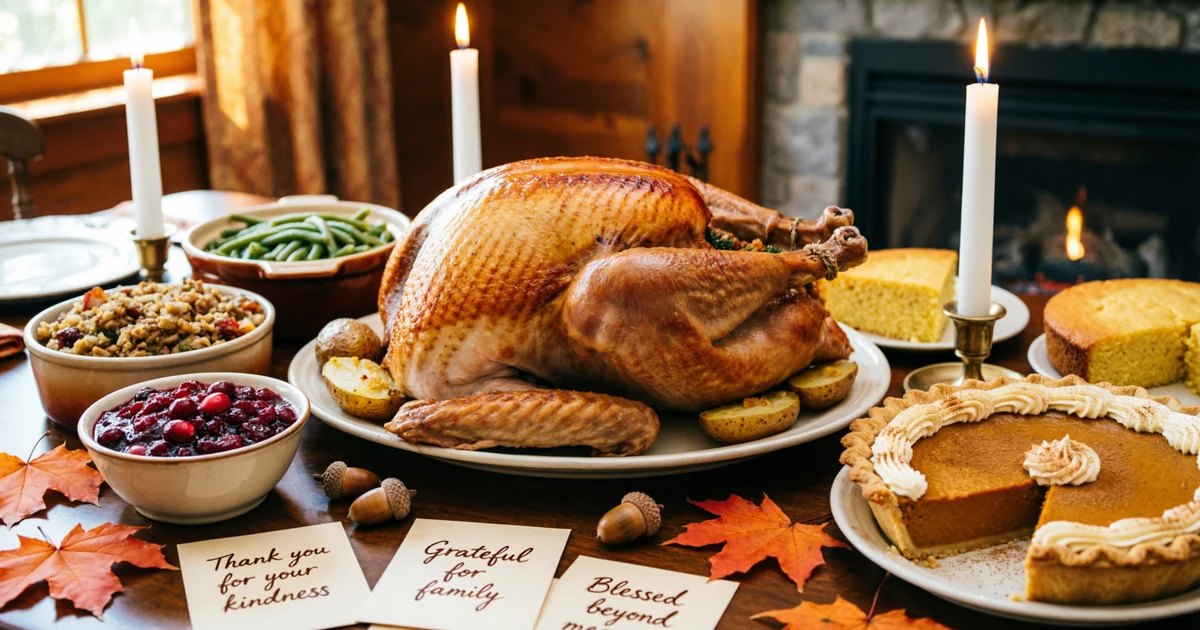
Thanksgiving gives writers so much to describe. A table full of food, a warm home, smiling family members, crisp autumn air, and a quiet feeling of gratitude can all become stronger with the right simile.
A thanks giving simile compares a Thanksgiving idea to something else using like or as. It helps readers see, feel, smell, or understand the moment more clearly.
In this guide, you will learn what a thanks giving simile means, how to write one, and how to use similes for gratitude, family, food, autumn, home, poems, stories, cards, and school writing.
What a Thanks Giving Simile Means
A thanks giving simile compares something related to Thanksgiving with another thing to create a clear picture.
A simile uses like or as.
Example:
The pumpkin pie smelled as sweet as a bakery at sunrise.
This sentence compares the smell of pumpkin pie to a bakery in the morning. The comparison helps the reader imagine the scent.
A thanks giving simile can describe:
- Food
- Family
- Gratitude
- Autumn weather
- A cozy home
- Holiday joy
- A dinner table
- Warm memories
Here is another example:
Our family gathered around the table like birds returning to one nest.
This simile shows togetherness. It helps the reader feel the closeness of the family.
Simple Thanks Giving Simile Definition for Students
A thanks giving simile compares a Thanksgiving person, place, thing, or feeling to something else using like or as.
Simple definition:
A thanks giving simile helps you describe Thanksgiving by comparing it to something familiar.
Examples for students:
- The turkey looked as golden as the afternoon sun.
- Grandma’s kitchen smelled like a warm hug.
- The leaves fell like tiny orange feathers.
- My heart felt as full as my dinner plate.
Students can use these similes in essays, poems, short stories, cards, and classroom assignments.
A good simile should help the reader understand the scene better. It should not feel random or confusing.
Weak example:
The turkey was like a pencil.
This comparison does not help the reader.
Better example:
The turkey was as golden as roasted corn.
This comparison makes sense because both things connect to food, color, and warmth.
Why Writers Use Similes for Thanksgiving Descriptions
Writers use thanks giving similes because they make holiday writing more vivid. A plain sentence tells the reader what happened. A strong simile helps the reader feel it.
Plain sentence:
The house felt warm.
Better sentence:
The house felt as warm as a blanket fresh from the dryer.
The second sentence creates a stronger feeling. It gives the reader a clear image.
Similes help writers describe Thanksgiving in a more personal way. They can show comfort, joy, hunger, gratitude, love, or nostalgia.
Writers use them to:
- Make descriptions more colorful
- Add emotion to a scene
- Help readers picture the holiday
- Make school writing more creative
- Give poems and stories a warmer tone
- Turn simple moments into memorable lines
A Thanksgiving dinner does not only involve food. It also includes laughter, old stories, family traditions, and quiet moments of thanks. Similes help capture those details.
Best Thanks Giving Simile Examples With Meanings
Here are some strong thanks giving simile examples with clear meanings.
The dinner table looked as full as a farmer’s harvest basket.
Meaning: The table had plenty of food.
Her smile shone like candlelight across the room.
Meaning: Her smile looked warm and gentle.
The gravy flowed like a small brown river over the mashed potatoes.
Meaning: The gravy moved smoothly across the food.
The family laughed like bells ringing through the house.
Meaning: The laughter sounded bright and joyful.
The pumpkin pie tasted as sweet as autumn itself.
Meaning: The pie had a rich seasonal flavor.
The children ran through the yard like leaves dancing in the wind.
Meaning: The children moved with energy and excitement.
My gratitude grew like a fire warming the whole room.
Meaning: The feeling of thankfulness became stronger.
The kitchen smelled like cinnamon, butter, and happy memories.
Meaning: The smell created comfort and nostalgia.
Good similes do more than decorate a sentence. They add meaning, mood, and sensory detail.
Easy Thanks Giving Similes for Beginners
Beginners should start with simple comparisons. Choose one Thanksgiving word, then compare it with something familiar.
Example words:
- Turkey
- Pie
- Family
- Leaves
- Home
- Gratitude
- Table
- Candle
- Kitchen
- Dinner
Easy similes:
- The turkey was as brown as toasted bread.
- The pie was as sweet as candy.
- The table looked like a feast from a storybook.
- The house felt as cozy as a soft blanket.
- The leaves looked like pieces of fire on the grass.
- The candles glowed like tiny stars.
- The mashed potatoes felt as soft as clouds.
- The family sat together like pieces of one big puzzle.
A beginner can write a clear simile by following this pattern:
Thanksgiving thing plus like or as plus clear comparison
Example:
The cranberry sauce sparkled like red jewels.
This sentence works because cranberry sauce can look shiny and red.
Thanks Giving Simile Examples Using Like
Similes with like often sound natural and conversational. They work well in stories, poems, essays, and captions.
Examples using like:
- The turkey came out of the oven like a golden prize.
- The smell of pie drifted through the house like a sweet secret.
- Our family filled the room like sunlight filling a window.
- The leaves spun like tiny dancers on the porch.
- The candles flickered like little stars on the table.
- The gravy poured like warm silk over the potatoes.
- The laughter rose like music after dinner.
- The kitchen buzzed like a happy beehive.
- The children waited for dessert like kittens waiting for milk.
- The old stories returned like favorite songs.
Use like when you want the sentence to feel smooth and easy.
Example in a paragraph:
The kitchen buzzed like a happy beehive as everyone helped with dinner. My aunt stirred the gravy, my cousin set the plates, and my grandfather watched the turkey like it held the secret to the whole holiday.
Thanks Giving Simile Examples Using As
Similes with as often sound clear and direct. They work well when you compare a quality such as color, warmth, sweetness, size, or brightness.
Examples using as:
- The turkey looked as golden as a sunset.
- The mashed potatoes were as soft as fresh snow.
- The pumpkin pie smelled as sweet as cinnamon candy.
- The house felt as warm as a wool blanket.
- The family table looked as crowded as a harvest fair.
- The cranberry sauce shone as red as rubies.
- The candles glowed as softly as fireflies.
- The rolls felt as light as pillows.
- The autumn air felt as crisp as an apple.
- My heart felt as full as the table.
Use as when you want to focus on one clear quality.
Example:
The autumn air felt as crisp as an apple when we stepped outside after dinner.
This sentence connects Thanksgiving with fall weather and gives the reader a fresh feeling.
Thanks Giving Similes About Gratitude
Gratitude sits at the heart of Thanksgiving. A good simile can turn thankfulness into something readers can picture.
Examples:
- Gratitude filled my heart like sunlight filling a quiet room.
- My thanks grew like flowers after rain.
- Her kind words felt like a warm cup in cold hands.
- Our blessings gathered like stars across the night sky.
- Thankfulness spread through the room like the smell of fresh bread.
- His gratitude shone as clearly as morning light.
- The family’s thanks rose like a gentle prayer.
- My heart felt as rich as a field ready for harvest.
You can use gratitude similes in cards, speeches, essays, and poems.
Example for a card:
Your kindness fills my life like candlelight fills a Thanksgiving table.
Example for school writing:
On Thanksgiving, gratitude felt like a warm blanket around my family.
A strong gratitude simile should feel sincere, not overly dramatic. Choose comparisons that match the mood of thanks.
Thanks Giving Similes About Family Gatherings
Thanksgiving often brings people together. Similes can show closeness, noise, laughter, love, and tradition.
Examples:
- Our family gathered like birds flying home.
- The cousins crowded the living room like puppies in a basket.
- Grandpa’s stories spread like a warm fire through the evening.
- The dinner table held us together like the center of a wheel.
- The family moved around the kitchen like a team in perfect rhythm.
- The room felt as lively as a small festival.
- Our voices mixed like songs in a choir.
- The children laughed like bells on a windy porch.
These similes work well in personal narratives.
Example paragraph:
By noon, our relatives filled the house like a cheerful parade. Coats covered the chairs, shoes lined the hallway, and laughter bounced from room to room like a rubber ball.
This paragraph gives the family gathering energy and movement.
Thanks Giving Similes About Dinner and Food
Thanksgiving food gives writers many chances to use sensory similes. You can describe smell, taste, color, texture, and movement.
Examples:
- The stuffing smelled like herbs from a sunny garden.
- The turkey skin crackled like dry leaves.
- The mashed potatoes looked as smooth as whipped cream.
- The gravy moved like velvet over the plate.
- The rolls rose as soft as little pillows.
- The corn glowed like pieces of gold.
- The cranberry sauce sparkled like red glass.
- The pie crust broke like thin autumn leaves.
Food similes should help readers taste or see the meal.
Plain sentence:
The food tasted good.
Better sentence:
The stuffing tasted like butter, herbs, and comfort in one bite.
This line gives more detail and creates a stronger image.
Thanks Giving Similes About Turkey and Pumpkin Pie
Turkey and pumpkin pie often stand at the center of Thanksgiving writing. These foods carry strong holiday meaning, so similes about them can make a scene feel classic and warm.
Turkey similes:
- The turkey looked as golden as a field at sunset.
- The turkey sat on the platter like a king at the center of the feast.
- The turkey skin shone like polished bronze.
- The carved turkey fell apart as tender as warm bread.
- The turkey smelled like smoke, butter, and holiday comfort.
Pumpkin pie similes:
- The pumpkin pie looked as smooth as a calm pond.
- The pie smelled like cinnamon wrapped in sugar.
- The whipped cream sat on top like a small white cloud.
- The pie tasted as rich as an autumn afternoon.
- The crust crumbled like dry leaves underfoot.
Example:
The pumpkin pie waited on the counter like the final chapter of a perfect dinner.
This simile works because dessert often finishes the meal.
Thanks Giving Similes About Autumn Leaves
Thanksgiving belongs to autumn in many places, so fall leaves create strong visual writing. Their colors, movement, and sounds can help build the scene.
Examples:
- The leaves fell like golden confetti.
- The red leaves burned like tiny flames on the trees.
- The dry leaves crackled like paper under our shoes.
- The yard looked as bright as a painted quilt.
- The orange leaves danced like sparks in the wind.
- The trees stood like torches along the road.
- The leaves gathered near the porch like guests arriving early.
- The maple leaves shone as red as cranberry sauce.
These similes connect nature with the holiday mood.
Example sentence:
Outside, the leaves spun like tiny dancers while the smell of turkey drifted from the kitchen.
This line combines outdoor movement with indoor warmth.
Thanks Giving Similes About Warmth and Comfort
Thanksgiving writing often feels cozy. Similes can show warmth through blankets, fires, candles, soup, sunlight, and soft clothing.
Examples:
- The house felt as warm as a blanket from the dryer.
- The candlelight spread like honey across the table.
- The fire glowed like a quiet heart in the room.
- Mom’s voice felt like a soft sweater on a cold day.
- The meal warmed us like soup after a long walk.
- The kitchen felt as cozy as a cabin in the woods.
- The light from the window rested on the table like golden cloth.
- The evening wrapped around us like a thick quilt.
Use warmth similes when you want your writing to feel gentle, safe, and inviting.
Example:
After dinner, the living room wrapped around us like a quilt, and nobody wanted to leave.
This sentence creates comfort without needing a long explanation.
Thanks Giving Similes About Home
Home gives Thanksgiving its emotional center. A home simile can show safety, memory, family, and belonging.
Examples:
- Home felt like a lighthouse after a long year.
- The kitchen welcomed us like an old friend.
- The front porch looked as familiar as a favorite book.
- The dining room held memories like a photo album.
- The house smelled like cinnamon, wood smoke, and love.
- The hallway filled with voices like a river after rain.
- The table stood like the heart of the home.
- The old couch felt as soft as a childhood memory.
These similes help readers understand why the place matters.
Example paragraph:
When I walked through the front door, home felt like a lighthouse. The windows glowed, the kitchen smelled sweet, and every voice sounded familiar.
This writing shows emotional return, not just a physical place.
Thanks Giving Similes for Cards and Messages
Thanksgiving cards need short, warm lines. Similes can make a message feel personal without making it too long.
Examples for cards:
- Your kindness shines like candlelight on a Thanksgiving table.
- Your friendship feels as warm as fresh bread from the oven.
- My gratitude for you grows like a harvest field.
- Your love fills our home like the smell of pumpkin pie.
- Being with you feels like coming home for Thanksgiving.
- Your support feels as steady as a table full of family.
- Your smile brightens the day like autumn sunshine.
- My thanks for you feel as full as a Thanksgiving plate.
Short message example:
This Thanksgiving, I feel grateful for you. Your kindness feels like warm light on a cold day.
Card similes should sound honest. Avoid lines that feel too fancy for the person receiving the card.
Thanks Giving Similes for Poems
Poems need images that carry feeling. Thanks giving similes can help a poem sound warm, musical, and clear.
Examples:
- Gratitude rises like steam from the table.
- The candles glow like small moons.
- The pie waits like a sweet promise.
- Leaves fall like whispers from the trees.
- The house hums like a gentle song.
- Family voices blend like water in a stream.
- The night settles like a soft shawl.
- Thanks bloom like flowers in the heart.
Short poem example:
The candles glow like little moons
Above the plates and spoons
Our laughter rises like warm bread
Beneath the autumn afternoon
In poetry, choose similes that match the mood. A quiet poem needs soft comparisons. A funny poem can use playful ones.
Thanks Giving Similes for Stories
Stories need similes that reveal character, setting, or emotion. A thanks giving simile can show how a character feels during the holiday.
Examples for stories:
- Dad watched the turkey like a coach watching the final play.
- My little brother guarded the pie like a dragon with treasure.
- Aunt Maria moved through the kitchen like a captain guiding a ship.
- The house sounded like a crowd before a big game.
- The dining room smelled like every happy memory I had saved.
- My nervousness sat in my stomach like a cold stone.
- The first bite tasted like the beginning of the holiday.
- The silence after the argument felt as heavy as wet wool.
Stories do not always need perfect holiday happiness. Similes can also show tension, nervousness, surprise, or missing someone.
Example:
When my brother’s chair stayed empty, the room felt as uneven as a table with one short leg.
This simile adds emotion and shows loss without overexplaining.
Funny Thanks Giving Similes for Kids
Funny similes help kids enjoy writing. They work well in classroom activities, holiday worksheets, poems, and short stories.
Examples:
- The turkey was as big as my backpack.
- My uncle ate like a bear after a nap.
- The gravy slid like a mudslide over my potatoes.
- My cousin reached for pie like a squirrel grabbing the last nut.
- The rolls disappeared like magic tricks.
- The kitchen sounded like a marching band with spoons.
- My plate looked as crowded as a school bus.
- The whipped cream sat on my pie like a snow hat.
- Grandpa snored after dinner like a sleepy tractor.
- The cranberry sauce wiggled like red jelly on a trampoline.
Funny similes should still make sense. Kids can compare Thanksgiving things to animals, school items, sports, toys, or weather.
Example:
My plate was as full as my closet when I try to hide my toys.
This sounds playful and easy for young writers.
Common Mistakes When Writing Thanks Giving Similes
Many writers make similes too vague, too confusing, or too predictable. A strong simile should help the sentence, not distract from it.
Common mistakes include:
- Comparing two things that do not connect
- Using too many similes in one paragraph
- Choosing a boring comparison
- Making the sentence too long
- Using a simile that does not match the mood
- Repeating the same image again and again
Weak example:
The dinner was like stuff.
This gives no clear picture.
Better example:
The dinner filled the table like a harvest spread at the end of autumn.
Weak example:
The pie was as good as a thing.
Better example:
The pie tasted as sweet as cinnamon sugar on a cold day.
Another common mistake involves mixing too many images.
Too much:
The turkey was like a sun, a football, a treasure chest, and a mountain.
Better:
The turkey shone like a golden centerpiece.
One clear image works better than four weak ones.
How to Write Your Own Thanks Giving Simile
You can write your own thanks giving simile by following a simple method.
- Pick a Thanksgiving subject
Choose a person, food, place, feeling, or object.
1-Examples:
- Turkey
- Pie
- Family
- Gratitude
- Leaves
- Home
- Choose the quality you want to describe
Think about what stands out.
2-Examples:
- Warm
- Sweet
- Golden
- Loud
- Soft
- Full
- Bright
- Pick a comparison that shares that quality
Choose something familiar.
3-Examples:
- Blanket
- Candle
- Sunlight
- Music
- Clouds
- Fire
- Harvest basket
- Use like or as
Now build the simile.
4-Examples:
- The house felt as warm as a blanket.
- The family laughed like music in the kitchen.
- The pie smelled like cinnamon in a cozy bakery.
- Check if the image makes sense
Ask yourself one question:
Can the reader picture this clearly?
If yes, your simile works.
Conclusion
A thanks giving simile helps writers describe Thanksgiving with warmth, color, and feeling. It can turn a simple sentence about turkey, family, gratitude, home, or autumn into a vivid image readers remember.
The best Thanksgiving similes use clear comparisons. They connect with the senses, match the mood, and make the writing feel more alive. Whether you write a school essay, poem, story, card, or holiday caption, a good simile can make your message sound warmer and more personal.
Use like or as, choose a familiar comparison, and focus on one clear feeling. That simple method can help you write Thanksgiving lines that feel honest, creative, and memorable.
FAQs
What is a thanks giving simile?
A thanks giving simile compares a Thanksgiving idea to something else using like or as. It helps describe food, family, gratitude, autumn, or holiday feelings.
What is an example of a thanks giving simile?
The turkey looked as golden as the setting sun is a thanks giving simile because it compares the turkey’s color to sunlight.
Is Thanksgiving simile the same as thanks giving simile?
Yes, most people mean the same thing. Thanksgiving simile uses the correct holiday spelling, while thanks giving simile often appears as a search phrase.
What is a good Thanksgiving simile for gratitude?
A good example is Gratitude filled my heart like sunlight filling a quiet room. It shows warmth and thankfulness clearly.
What is a Thanksgiving simile for family?
Our family gathered like birds returning to one nest works well because it shows closeness, comfort, and togetherness.
What is a funny Thanksgiving simile for kids?
My uncle ate like a bear after a long nap gives kids a funny and easy comparison for Thanksgiving dinner.
How do you write a Thanksgiving simile?
Choose a Thanksgiving subject, pick a quality, then compare it to something familiar using like or as.
Can I use Thanksgiving similes in a poem?
Yes. Thanksgiving similes work well in poems because they add images, emotion, rhythm, and seasonal details.
What is a Thanksgiving simile using like?
The smell of pie drifted through the house like a sweet secret uses like to create a clear Thanksgiving image.
What is a Thanksgiving simile using as?
The mashed potatoes were as soft as clouds uses as to describe texture in a simple and vivid way.