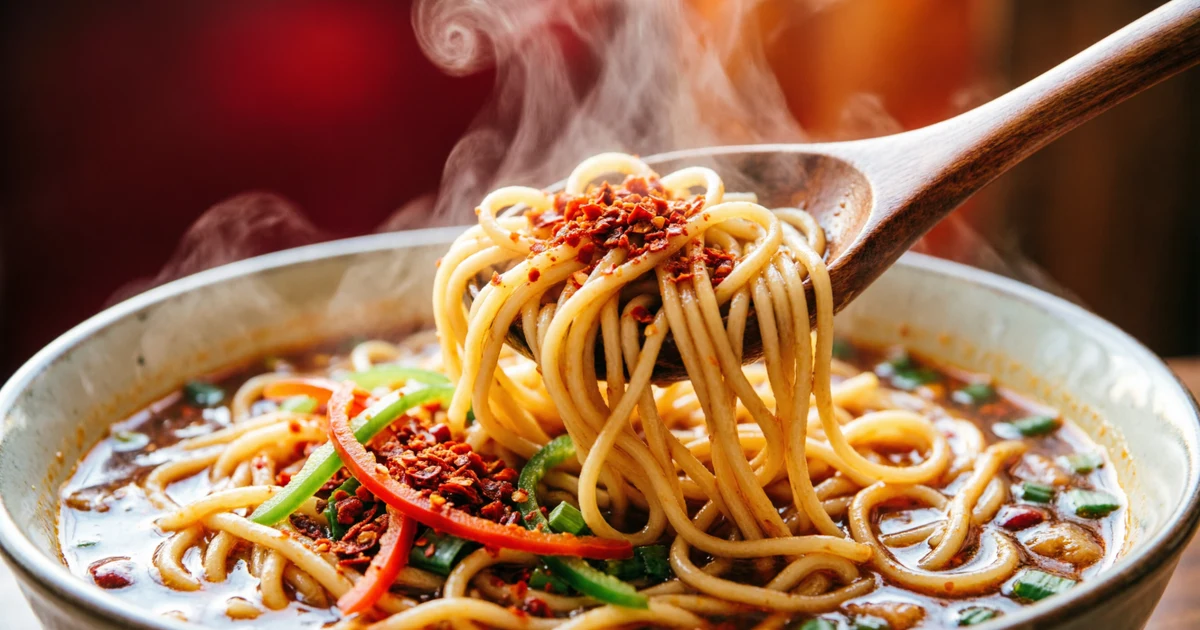
Spicy food does more than wake up your taste buds. It can burn, surprise, excite, comfort, and challenge you all at once. That strong feeling makes spicy food perfect for similes because writers can compare it to fire, storms, dragons, summer heat, or anything else that feels bold and intense.
A good simile for spicy food helps readers feel the heat before they even taste the dish. Instead of saying, “The curry was hot,” you can write, “The curry burned like a tiny fire on my tongue.” That line gives the reader a clearer picture and a stronger feeling.
In this guide, you will learn what a simile for spicy food means, why writers use these comparisons, and how to create your own. You will also find many clear examples for school writing, food reviews, stories, poems, and everyday descriptions.
What a Simile for Spicy Food Means
A simile for spicy food compares spicy food to something else using the words “like” or “as.” The comparison helps the reader understand the taste, heat, smell, or feeling of the food.
For example:
- The chili tasted like fire on my tongue.
- The hot sauce hit me like a sudden spark.
- The curry felt as warm as summer noon.
Each example connects spicy food with a familiar image. Fire shows heat. A spark shows sudden intensity. Summer noon shows warmth that grows slowly.
A simile works best when it gives the reader a clear feeling. Spicy food can feel sharp, smoky, warm, painful, exciting, or even funny. The right simile depends on the mood you want to create.
Here are a few simple meanings:
- “Like fire” means very hot and intense.
- “Like a volcano” means explosive and powerful.
- “Like lightning” means sudden and sharp.
- “Like a warm blanket” means mild, comforting spice.
- “Like dragon’s breath” means bold, fierce heat.
A strong simile does not only describe taste. It creates a scene in the reader’s mind.
Why Writers Use Similes to Describe Spicy Food
Writers use similes for spicy food because plain words often feel too weak. Words like “hot,” “spicy,” and “strong” tell the reader something, but they do not always make the reader feel it.
Compare these two sentences:
- The salsa was spicy.
- The salsa stung like a spark jumping from a campfire.
The second sentence gives more energy. It shows the quick bite of the salsa and makes the food feel alive.
Similes help writers:
- Show the level of heat
- Describe the first bite
- Create humor
- Add emotion to food writing
- Make restaurant reviews more vivid
- Help students write stronger descriptions
- Give poems and stories a sensory detail
Food writing needs sensory language. Readers want to imagine taste, smell, texture, and feeling. A spicy food simile can turn a simple dish into a memorable moment.
For example:
“The pepper soup warmed my chest like sunlight after a cold morning.”
This simile does not focus on pain. It focuses on comfort. That kind of detail helps the reader understand the experience more clearly.
Best Similes for Spicy Food With Clear Meanings
The best similes for spicy food match the exact type of heat you want to describe. Some spicy food burns fast, Some builds slowly, Some feels smoky and deep, Some feels sharp and electric.
Here are strong similes with meanings:
- Spicy as fire in a dry forest
Meaning: The food feels extremely hot and spreads heat quickly. - Like a match struck on my tongue
Meaning: The spice hits suddenly. - As fierce as a dragon’s breath
Meaning: The food tastes bold, fiery, and intense. - Like a volcano waking up
Meaning: The heat starts slowly, then grows stronger. - As sharp as lightning
Meaning: The spice feels quick and powerful. - Like the sun trapped in a bowl
Meaning: The dish feels warm, bright, and strong. - As bold as a chili dancing in flames
Meaning: The food has lively, exciting heat. - Like a campfire glowing in my mouth
Meaning: The spice feels smoky and warm. - As wild as a pepper storm
Meaning: The dish feels chaotic, strong, and exciting. - Like a spark racing across my tongue
Meaning: The heat moves quickly and gives a tingling feeling.
A good simile should fit the dish. Hot sauce may feel like lightning. A slow curry may feel like a volcano. A smoky chili may feel like a campfire.
Simple Similes for Spicy Food Students Can Use
Students often need simple similes that sound clear and natural. A good student simile should not feel too complicated. It should help the reader understand the spicy taste right away.
Here are easy similes for school writing:
- The soup was as spicy as hot fire.
- The pepper burned like a flame.
- The curry tasted like fire on my tongue.
- The sauce felt as hot as the sun.
- The chili hit me like a burst of heat.
- The noodles burned like a tiny campfire.
- The snack tasted as sharp as pepper.
- The salsa felt like sparks in my mouth.
- The food was as hot as a summer day.
- The hot sauce spread like fire.
Students can use these similes in short paragraphs, essays, stories, and food descriptions.
Example paragraph:
“I took one bite of the spicy noodles and opened my eyes wide. The sauce burned like a flame on my tongue. I reached for water, but the heat spread like fire. Even though it felt hot, I wanted another bite.”
This paragraph uses simple words but still creates a strong picture.
Creative Similes for Spicy Food in Descriptive Writing
Creative writing needs fresh comparisons. Instead of using only “like fire,” you can choose images that match the mood of your scene.
Here are creative similes for spicy food:
- The curry bloomed like a red flower made of heat.
- The chili rolled through my mouth like thunder across a dark sky.
- The pepper sauce flashed like a warning light on my tongue.
- The soup glowed in my chest like a lantern in winter.
- The salsa jumped like a firecracker at a festival.
- The noodles crackled with heat like dry leaves near a flame.
- The pepper bit like a tiny beast with sharp teeth.
- The spice rose like steam from a desert road.
- The hot sauce charged through the meal like a wild horse.
- The dish warmed me like a secret fire.
Creative similes work well when they add more than heat. They can show mood, setting, character, or emotion.
For example:
“The stew warmed him like a secret fire, and for the first time that night, he stopped shivering.”
This sentence uses spice to show comfort and relief, not just heat.
Funny Similes About Spicy Food That Sound Natural
Spicy food often creates funny reactions. People sweat, cough, drink water too fast, wave their hands, or pretend the food does not bother them. Funny similes can capture that moment without sounding forced.
Here are funny similes about spicy food:
- The hot sauce attacked me like it had a personal problem.
- The chili hit my tongue like a tiny angry chef.
- The pepper burned like my mouth owed it money.
- The noodles were as spicy as gossip in a small town.
- The salsa kicked like a donkey in a bad mood.
- The curry came at me like a fire alarm with flavor.
- The wings burned like they trained in a volcano.
- The sauce slapped my taste buds like a dramatic movie scene.
- The pepper felt like a prank that went too far.
- The taco burned like it wanted me to remember it forever.
Funny similes work best when they feel natural and easy to picture. Avoid making the comparison too confusing. The reader should laugh and understand the heat at the same time.
Example:
“I smiled after the first bite, then the chili kicked like a donkey in a bad mood. My confidence left the room before I could reach for water.”
Short Similes for Spicy Food
Short similes work well in captions, poems, reviews, and quick descriptions. They give a strong image without slowing the sentence.
Here are short similes for spicy food:
- Like fire
- Like sparks
- Like lava
- Like sunlight
- Like a flame
- Like a torch
- Like thunder
- Like a furnace
- Like hot wind
- Like dragon’s breath
- As hot as noon
- As bold as chili
- As sharp as pepper
- As fierce as fire
- As warm as embers
Short similes fit sentences like these:
- The sauce burned like fire.
- The curry glowed like embers.
- The wings hit like thunder.
- The pepper tasted as sharp as lightning.
- The soup warmed me like sunlight.
Short similes also help when you do not want the writing to feel too heavy. A simple line can still carry strong flavor.
Strong Similes That Show Heat and Burning Flavor
Some spicy food does not gently warm the mouth. It burns, It makes the eyes water, It sends heat through the throat and chest. Strong similes can show that powerful feeling.
Here are strong similes for burning flavor:
- The chili burned like a flame trapped under my tongue.
- The hot sauce spread like wildfire through my mouth.
- The pepper scorched my lips like desert wind.
- The curry hit my throat like a torch.
- The wings burned like coals pressed against my taste buds.
- The sauce flared like a kitchen fire.
- The spice roared through my mouth like a furnace.
- The noodles stung like sparks from hot metal.
- The pepper heat rose like smoke from a burning field.
- The salsa blazed like noon sun on dry sand.
These similes suit very hot foods such as ghost pepper sauce, hot wings, spicy ramen, fiery curries, and chili packed with peppers.
Example:
“The first bite tasted rich and smoky, but then the heat rose like smoke from a burning field. I could feel it in my throat, my nose, and even my eyes.”
Similes for Spicy Food Like Fire
Fire gives writers one of the clearest images for spicy food. It shows heat, danger, excitement, and energy. Many readers quickly understand a fire comparison because spicy food can feel like a real burn.
Here are fire based similes:
- The chili tasted like fire on my tongue.
- The sauce spread like flames through dry grass.
- The curry burned like a campfire in my mouth.
- The pepper flakes glowed like sparks in the dish.
- The noodles carried heat like a flame under every bite.
- The wings blazed like fire fresh from the grill.
- The salsa flickered like a small flame at first, then grew stronger.
- The hot sauce burned like a torch in the dark.
- The stew warmed my chest like a fire on a cold night.
- The spice danced like flames around my tongue.
Fire similes can show different levels of spice. A small flame can show mild heat. A wildfire can show extreme heat. A campfire can show warmth and comfort.
Example:
“The soup did not burn right away. It flickered like a small flame, then grew hotter with every spoonful.”
Similes for Spicy Food Like a Volcano
A volcano simile works well when the heat builds slowly and then explodes. Some spicy dishes start with rich flavor before the pepper takes over. That experience matches a volcano perfectly.
Here are volcano similes:
- The curry erupted like a volcano after the second bite.
- The chili bubbled with heat like lava under stone.
- The hot sauce exploded like a volcano on my tongue.
- The ramen simmered like a volcano ready to burst.
- The pepper heat rose like lava climbing a mountain.
- The wings tasted like a volcano in snack form.
- The sauce flowed like lava across the plate.
- The spice built like pressure under a volcano.
- The salsa erupted like red lava in my mouth.
- The stew glowed like a volcano at night.
These similes suit foods with deep, slow heat. They work especially well for curry, chili, ramen, hot pot, spicy stew, and pepper rich sauces.
Example:
“The curry tasted sweet at first, but the heat built like pressure under a volcano. By the third spoonful, my mouth felt full of lava.”
Similes for Spicy Food Like a Dragon’s Breath
Dragon’s breath gives spicy food a bold, playful, and dramatic feeling. This simile works well for fantasy writing, food captions, children’s writing, and humorous descriptions.
Here are dragon’s breath similes:
- The hot sauce burned like dragon’s breath.
- The wings tasted as fierce as a dragon’s breath.
- The chili smoked through my mouth like a dragon exhaling fire.
- The pepper sauce hit like a dragon blowing flames across my tongue.
- The curry roared like dragon’s breath in a bowl.
- The ramen burned like a dragon had stirred it.
- The salsa felt like dragon fire with tomatoes.
- The spice came out swinging like a dragon guarding treasure.
- The peppers breathed heat like tiny dragons in the dish.
- The sauce left my mouth feeling like a dragon’s cave.
This type of simile creates a strong image without needing a serious tone. It can make spicy food sound fun, daring, and unforgettable.
Example:
“The wings looked harmless, but the first bite burned like dragon’s breath. I tried to act brave, but my eyes told the truth.”
Similes for Spicy Food Like Lightning on the Tongue
Lightning similes describe spice that feels sudden, sharp, and fast. This works well for foods that hit quickly instead of building slowly.
Here are lightning similes:
- The pepper struck like lightning on my tongue.
- The hot sauce flashed like lightning through my mouth.
- The salsa shocked my taste buds like a bright bolt.
- The chili heat cracked like lightning across my lips.
- The spice hit fast, like lightning in a dry sky.
- The sauce sparked like electricity on my tongue.
- The curry sent a bolt of heat through my mouth.
- The pepper bite came quick like a storm flash.
- The wings shocked me like lightning at close range.
- The noodles tingled like tiny electric sparks.
Lightning similes work best for sharp peppers, tangy hot sauces, spicy snacks, and foods with an instant kick.
Example:
“The sauce looked smooth and sweet, but it struck like lightning on my tongue. One second I tasted mango, and the next second I reached for milk.”
Similes for Spicy Food Like a Hot Summer Day
A hot summer day simile gives spicy food a warm, bright, and familiar feeling. It does not always suggest pain. It can show heat that feels steady, dry, or comforting.
Here are summer heat similes:
- The curry warmed me like a hot summer day.
- The soup spread heat through my chest like noon sunlight.
- The chili felt as warm as a July afternoon.
- The sauce clung to my tongue like heat on a summer street.
- The stew glowed like sunlight on a dry field.
- The spice rose like heat from pavement.
- The pepper warmth stayed like summer air after sunset.
- The noodles felt as hot as a sunny picnic table.
- The salsa warmed my mouth like afternoon sun.
- The dish carried heat like a bright day in August.
These similes fit warm and flavorful dishes rather than extremely painful ones. Use them when the food tastes spicy but enjoyable.
Example:
“The curry warmed me like a hot summer day. It had enough heat to wake me up, but it never drowned out the flavor.”
Similes That Describe Mild Spicy Food
Mild spicy food has gentle heat. It adds flavor without overwhelming the mouth. Writers need softer similes for dishes that feel warm, cozy, or lightly sharp.
Here are mild spicy food similes:
- The soup warmed my tongue like morning sunlight.
- The salsa tingled like a small spark.
- The curry felt as gentle as a warm breeze.
- The pepper added heat like a candle in a quiet room.
- The sauce glowed like embers, not flames.
- The noodles warmed me like a soft blanket.
- The chili tasted like a friendly campfire.
- The spice brushed my mouth like warm air.
- The stew warmed my chest like tea on a cold day.
- The peppers sparkled like tiny lights in the sauce.
Mild similes help readers understand that the food has spice but does not feel too hot.
Example:
“The salsa had a soft kick. It tingled like a small spark and made the tacos taste brighter.”
Similes That Describe Extra Hot Spicy Food
Extra hot spicy food needs stronger language. These dishes can make someone sweat, pause, laugh, cry, or regret their confidence. The simile should show extreme heat clearly.
Here are extra hot spicy food similes:
- The hot sauce burned like lava.
- The chili hit like a furnace door swinging open.
- The pepper attacked like fire with teeth.
- The wings scorched my mouth like burning coals.
- The curry roared like a wildfire.
- The noodles burned like molten metal.
- The salsa exploded like a volcano.
- The sauce stung like sparks from a welding torch.
- The pepper heat climbed like flames up a wall.
- The dish burned like the sun had melted into it.
Use these similes when the spice feels intense and unforgettable. They work well for food challenges, hot pepper contests, and dramatic food reviews.
Example:
“The wings burned like molten metal. I tried to keep talking, but every word came out slower than the last.”
Similes for Spicy Food in Restaurant Reviews
Restaurant reviews need vivid but fair language. A good simile can help readers decide whether a dish suits their taste. The best food review similes describe both flavor and heat.
Here are review friendly similes:
- The curry warmed the palate like a slow fire, with rich spice in every bite.
- The salsa hit like a bright spark, fresh and sharp without overpowering the tacos.
- The chili burned like a campfire, smoky, steady, and deeply satisfying.
- The hot wings tasted like fire wrapped in sweet glaze.
- The ramen carried heat like steam from a winter kitchen.
- The pepper sauce struck like lightning, then faded into a smoky finish.
- The spicy noodles warmed the throat like ginger tea with attitude.
- The biryani spread heat like sunlight through every grain of rice.
- The curry felt like a furnace at first, but the coconut softened the burn.
- The hot sauce danced like flames without hiding the flavor.
A strong restaurant review does not only say “too spicy” or “very hot.” It explains how the spice behaves.
Example:
“The green chili sauce struck like lightning, then settled into a clean, citrusy heat. It made the grilled chicken taste brighter without stealing the whole dish.”
Similes for Spicy Food in Stories and Poems
Stories and poems use spicy food to show more than taste. A spicy meal can reveal a character’s bravery, culture, memory, humor, fear, or comfort. The right simile can add emotion to a scene.
Here are similes for stories and poems:
- The soup warmed her like a memory from childhood.
- The chili burned like anger she had not spoken aloud.
- The curry glowed like sunset in a clay bowl.
- The pepper stung like a secret.
- The sauce flashed like trouble in a smile.
- The noodles curled like flames around the fork.
- The stew warmed the room like laughter.
- The spice rose like courage in his chest.
- The hot sauce tasted like a dare.
- The pepper heat lingered like an old song.
These similes work because they connect food with feeling. They help the reader understand what the character experiences inside.
Example:
“He tasted the curry and smiled. It warmed him like a memory from childhood, sharp at the edges but full of comfort.”
Similes for Chili, Curry, Hot Sauce, and Peppers
Different spicy foods need different similes. Chili, curry, hot sauce, and peppers do not create the same kind of heat. The best simile matches the food.
1-Similes for chili
- The chili burned like a campfire in a clay pot.
- The chili warmed the room like a stove in winter.
- The chili hit like a smoky flame.
2-Similes for curry
- The curry glowed like sunset in a bowl.
- The curry built like lava under the surface.
- The curry warmed my chest like a slow fire.
3-Similes for hot sauce
- The hot sauce struck like lightning.
- The hot sauce burned like liquid fire.
- The hot sauce jumped like a spark on my tongue.
4-Similes for peppers
- The pepper bit like a tiny flame.
- The pepper snapped like a firecracker.
- The pepper stung like a sharp spark.
Each food has its own personality. Hot sauce often feels fast and sharp. Curry often feels deep and layered. Chili often feels smoky and hearty. Peppers often feel direct and bright.
Example Sentences Using Spicy Food Similes
Here are example sentences you can use for practice, inspiration, or writing assignments.
- The spicy noodles burned like fire, but I kept eating because the flavor tasted so good.
- The curry warmed my chest like sunlight after rain.
- The hot sauce hit my tongue like lightning.
- The chili tasted like a campfire, smoky and strong.
- The pepper stung like a tiny spark.
- The salsa jumped like firecrackers in my mouth.
- The wings burned like lava, and my eyes started watering.
- The soup felt as warm as a summer afternoon.
- The ramen carried heat like a dragon’s breath.
- The hot pepper bit like a flame with teeth.
- The sauce spread like wildfire through the tacos.
- The curry rose slowly like a volcano waking up.
- The spicy rice glowed like sunshine in every bite.
- The chili warmed me like a blanket on a cold night.
- The pepper sauce flashed like a warning light.
- The stew tasted like smoke and fire in one spoonful.
- The hot wings attacked like an angry little dragon.
- The salsa tingled like sparks on my tongue.
- The noodles burned like coals under the sauce.
- The spice lingered like heat on a summer road.
These sentences show different levels of spice, from mild warmth to extreme heat.
How to Create Your Own Simile for Spicy Food
You can create your own spicy food simile by thinking about how the food feels. Start with the exact sensation, then match it with a strong image.
Ask yourself:
- Does the spice hit quickly?
- Does the heat grow slowly?
- Does it feel sharp, smoky, sweet, painful, or warm?
- Does the food feel exciting, comforting, funny, or dangerous?
- What image matches that feeling?
Use this simple pattern:
Spicy food plus like or as plus strong image
Examples:
- The sauce burned like fire.
- The curry warmed me like sunlight.
- The pepper struck like lightning.
- The chili grew hotter like a volcano waking up.
- The soup glowed like embers in my chest.
You can also make the simile more specific:
Weak line:
- The food was spicy like fire.
Stronger line:
- The hot sauce burned like a red flame racing across my tongue.
The stronger version gives color, movement, and feeling. That makes the sentence more memorable.
Conclusion
A strong simile for spicy food helps readers taste the heat through words. It can show a sharp bite, a slow burn, a funny reaction, or a comforting warmth. The best simile depends on the dish and the feeling you want to create.
Use fire when you want clear heat, Use a volcano when the spice builds, Use lightning when the flavor strikes fast, Use sunlight or a warm breeze when the spice feels mild and pleasant.
Good writing does not need complicated words. It needs clear images that match real experience. When you compare spicy food to something familiar, your reader can feel the burn, the flavor, and the excitement in every line.
FAQs About Simile for Spicy Food
What is a simile for spicy food?
A simile for spicy food compares spicy food to something else using “like” or “as.” Example: “The chili burned like fire on my tongue.”
What is a good simile for very spicy food?
A good simile for very spicy food is “The hot sauce burned like lava.” It shows strong heat and intense flavor.
What is a simple simile for spicy food for students?
A simple student friendly simile is “The curry was as hot as fire.” It uses clear language and a familiar image.
How do you describe spicy food creatively?
You can describe spicy food with sensory details. Example: “The pepper struck like lightning and left sparks on my tongue.”
What simile describes mild spicy food?
A good simile for mild spicy food is “The soup warmed my tongue like morning sunlight.” It shows gentle heat.
What simile describes hot sauce?
A strong simile for hot sauce is “The hot sauce hit like a spark from a fire.” It shows quick, sharp spice.
Can I use spicy food similes in a restaurant review?
Yes. Similes can make a review more helpful. Example: “The curry warmed the palate like a slow fire.”
What is a funny simile for spicy food?
A funny simile is “The chili hit my tongue like a tiny angry chef.” It shows heat with humor.
What is a simile for spicy noodles?
A good simile for spicy noodles is “The noodles burned like a campfire in my mouth.”
How can I make my own spicy food simile?
Think about how the spice feels, then compare it to a familiar image. Fast spice can feel like lightning. Slow spice can feel like a volcano. Mild spice can feel like sunlight.