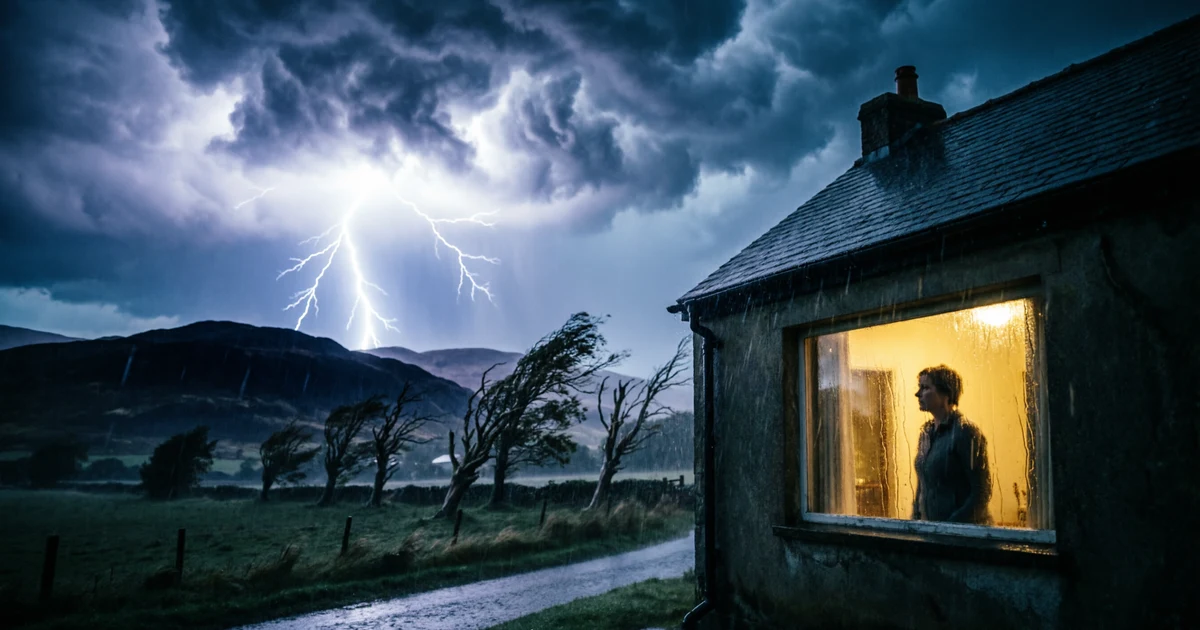
A storm can turn a quiet scene into something wild, dark, tense, or emotional. Writers often use storm similes because a storm gives readers sound, movement, fear, beauty, and force all at once.
A strong simile for storm helps readers picture thunder, lightning, wind, rain, and chaos in a clear way. It can also show anger, sadness, conflict, or pressure inside a character.
In this article, you will learn what storm similes mean, why writers use them, and how to create your own. You will also find many practical examples for stories, poems, essays, and school writing.
What a Simile for Storm Means
A simile for storm compares a storm to something else using words such as like or as. This comparison helps readers understand the storm more clearly.
For example:
- The storm roared like a hungry lion.
- The clouds rolled in like dark waves.
- Thunder crashed like drums in the sky.
Each simile gives the storm a stronger image. Instead of saying, “The storm was loud,” you can say, “The storm crashed like a giant drum.” That sentence gives the reader sound and energy.
A storm simile can describe:
- Sound
- Movement
- Fear
- Power
- Darkness
- Beauty
- Emotional conflict
Good storm similes do more than decorate a sentence. They help the reader feel the scene.
Why Writers Use Similes to Describe Storms
Writers use similes for storms because storms already carry strong emotion. A storm can show danger, change, anger, sadness, or excitement.
A plain sentence tells the reader what happens.
Example:
The storm came quickly.
A simile makes the scene more vivid.
Example:
The storm came quickly like a wild horse racing across the hills.
That comparison gives the storm speed and power. It also creates a stronger picture in the reader’s mind.
Writers often use storm similes when they want to:
- Build suspense
- Show danger
- Create mood
- Describe nature
- Reflect a character’s feelings
- Add drama to a scene
In a story, a storm can match a character’s fear. In a poem, it can show grief or confusion. In an essay, it can make a description more memorable.
Best Similes for Storm With Clear Meanings
Here are some strong storm similes with simple meanings.
- The storm was like an angry giant stomping across the sky.
Meaning: The storm feels huge, loud, and threatening.
- The storm moved like a black curtain over the town.
Meaning: Dark clouds covered the area quickly.
- The storm sounded like a thousand drums.
Meaning: The thunder and rain sounded loud and steady.
- The storm struck like a sudden warning.
Meaning: The storm arrived fast and created fear.
- The storm twisted like a wild animal breaking free.
Meaning: The wind moved with force and chaos.
These examples work well because each one gives the storm a clear role. The storm acts like something readers already understand.
Simple Similes for Storm Students Can Use
Students often need simple similes for school writing. A good student simile should stay clear and easy to understand.
Examples:
- The storm was like a loud drum.
- The rain fell like tiny stones.
- The wind blew like a giant fan.
- The clouds looked like black smoke.
- The thunder sounded like a lion’s roar.
- The lightning flashed like a camera.
- The sky turned dark like night.
These similes work well for younger writers because they use familiar objects and clear images. A student does not need a complex comparison to write well. A simple image can create a strong sentence.
Example sentence:
The thunder sounded like a lion’s roar, and everyone in the room grew quiet.
This sentence gives the storm sound and emotion at the same time.
Powerful Similes That Show a Storm’s Strength
A strong storm needs bold comparisons. When you want to show power, choose images with force, size, and movement.
Examples:
- The storm hit like a hammer against the roof.
- The wind pushed like a giant hand.
- The rain attacked the windows like thrown gravel.
- The thunder rolled like heavy wagons across the sky.
- The storm charged like an army across the valley.
- The clouds gathered like soldiers before battle.
These similes show strength because they use active images. A hammer hits. A hand pushes. An army charges. These comparisons make the storm feel alive.
Example in a scene:
The storm hit like a hammer against the roof, shaking the old house until the walls seemed to breathe.
This simile works because it gives the storm physical force.
Dark Similes for a Scary Storm Scene
A scary storm needs more than heavy rain. It needs mood. Dark similes help create fear, mystery, and tension.
Examples:
- The storm crept in like a shadow with claws.
- The clouds hung like bruises over the town.
- The wind screamed like something lost in the dark.
- The rain tapped like fingers on a coffin lid.
- Lightning split the sky like a crack in a nightmare.
- The storm circled the house like a predator.
These similes fit horror scenes, mystery stories, and tense moments. They make the storm feel dangerous and personal.
Example in a story:
The wind screamed like something lost in the dark, and Maya pulled the blanket closer to her chest.
This sentence connects the storm to the character’s fear.
Beautiful Similes for a Stormy Sky
Storms do not always look ugly. A stormy sky can look dramatic, poetic, and beautiful. Writers can use similes to show that beauty.
Examples:
- The clouds spread like ink across wet paper.
- Lightning bloomed like silver flowers in the sky.
- The sky shimmered like broken glass.
- The clouds rolled like velvet waves.
- The rain fell like strings of silver.
- The stormy horizon glowed like a lantern behind smoke.
These similes suit poems, nature writing, and descriptive scenes. They show that storms can create beauty as well as fear.
Example sentence:
Lightning bloomed like silver flowers in the sky, bright for a second and gone before anyone could speak.
This simile gives the storm grace and surprise.
Short Similes for Storm
Short similes help when you want quick impact. They work well in poems, captions, short stories, and classroom writing.
Examples:
- Like a roaring beast
- Like black smoke
- Like falling stones
- Like a broken drum
- Like a wild horse
- Like a dark ocean
- Like angry music
- Like a giant’s footsteps
- Like fire in the clouds
- Like a war above us
You can place short similes inside longer sentences.
Examples:
- The storm came like a roaring beast.
- Thunder shook the sky like a broken drum.
- Rain fell like falling stones on the roof.
Short similes keep the writing sharp and easy to read.
Creative Similes for Storm in Story Writing
Story writing needs similes that match the scene, character, and mood. A storm in a love story should not sound the same as a storm in a horror story.
1-For adventure writing:
- The storm chased them like a pack of wolves.
- The rain whipped their faces like cold ropes.
2-For mystery writing:
- The clouds closed around the house like a secret.
- The thunder answered like a door slamming in an empty hall.
3-For emotional scenes:
- The storm inside her chest grew like thunder behind the hills.
- His anger spread like dark clouds before rain.
4-For fantasy writing:
- The storm rose like a dragon waking under the mountains.
- Lightning curled across the sky like magic from an ancient spell.
Creative similes work best when they fit the story’s world. A modern city story might compare lightning to camera flashes. A fantasy story might compare it to a sword, dragon, or spell.
Similes for Storm Like an Angry Beast
Many writers compare storms to angry beasts because storms move, roar, strike, and destroy. This comparison gives nature a wild personality.
Examples:
- The storm growled like an angry beast.
- The wind clawed at the trees like a furious animal.
- The clouds crouched over the town like a beast ready to leap.
- The thunder roared like a monster in the mountains.
- The storm snapped at the windows like a wild dog.
These similes work well when the storm feels violent or uncontrolled.
Example sentence:
The storm growled like an angry beast, and the trees bent low as if they feared its teeth.
This creates danger without needing many extra details.
Similes for Storm Like a Roaring Lion
A lion simile focuses on sound, power, and fear. Thunder often sounds like a roar, so this comparison feels natural.
Examples:
- The storm roared like a lion across the plains.
- Thunder shook the sky like a lion’s warning.
- The wind rushed through the trees like a lion chasing prey.
- The storm opened its mouth like a lion and filled the night with noise.
- The clouds gathered like a pride of lions before a hunt.
This type of simile works well in nature writing and dramatic scenes.
Example sentence:
The storm roared like a lion across the plains, sending birds into the air and dust across the road.
The simile gives the storm sound and movement.
Similes for Storm Like a War in the Sky
A storm can sound like battle. Thunder crashes. Lightning strikes. Rain pounds the ground. War similes create intensity and conflict.
Examples:
- The storm sounded like a war in the sky.
- Thunder exploded like cannons over the hills.
- Lightning struck like swords flashing in battle.
- The rain hammered the earth like marching feet.
- The clouds clashed like armies above the town.
These similes suit action scenes, historical fiction, fantasy battles, and tense moments.
Example sentence:
Thunder exploded like cannons over the hills, and the children ran from the field.
This comparison makes the storm feel dangerous and urgent.
Similes for Storm Like a Giant Drum
A drum simile helps describe sound. Thunder, rain, and wind can create a rhythm that fills the air.
Examples:
- The thunder beat like a giant drum.
- Rain tapped the roof like quick fingers on a drum.
- The storm played the windows like a wild drummer.
- The sky boomed like a deep drum in a parade.
- The roof rattled like a drum under heavy hands.
This simile works well when you want readers to hear the scene.
Example sentence:
The thunder beat like a giant drum, slow at first, then faster as the rain thickened.
This sentence creates rhythm and movement.
Similes for Storm Like a Broken Ocean
A storm often feels like the sea in the sky. Clouds roll. Rain falls in waves. Wind crashes against trees and buildings.
Examples:
- The storm moved like a broken ocean above the land.
- The clouds rolled like dark waves.
- Rain rushed down the street like a river set loose.
- The wind crashed through the trees like waves against rocks.
- The sky churned like a restless sea.
These similes work well for coastal scenes, nature writing, and emotional descriptions.
Example sentence:
The sky churned like a restless sea, and the rain swept across the road in silver sheets.
This comparison gives the storm size and motion.
Similes for Thunder During a Storm
Thunder gives a storm its voice. A good thunder simile should focus on sound, distance, and force.
Examples:
- Thunder rumbled like a train under the ground.
- Thunder cracked like a whip above the house.
- Thunder rolled like barrels down a hill.
- Thunder boomed like a giant knocking on the sky.
- Thunder shook the air like a heavy door slamming shut.
Each simile creates a different feeling. A train suggests distance and power. A whip suggests sharp fear. Barrels suggest rolling movement.
Example sentence:
Thunder cracked like a whip above the house, and the dog ran under the table.
This simile gives the thunder sudden force.
Similes for Lightning in a Storm
Lightning adds brightness, speed, and danger. A strong lightning simile should feel quick and sharp.
Examples:
- Lightning flashed like a camera in the dark.
- Lightning cut the sky like a silver knife.
- Lightning danced like fire across the clouds.
- Lightning split the night like a glowing crack.
- Lightning flickered like a warning sign in the sky.
You can choose a simple or dramatic comparison depending on the scene.
Example sentence:
Lightning cut the sky like a silver knife, lighting the road for one bright second.
This simile gives lightning danger and beauty at once.
Similes for Wind and Rain in a Storm
Wind and rain shape the body of a storm. Wind pushes, pulls, screams, and bends things. Rain taps, pounds, floods, and blinds.
Wind similes:
- The wind howled like a lonely wolf.
- The wind pushed like an invisible wall.
- The wind twisted through the trees like a snake.
- The wind slapped the windows like angry hands.
Rain similes:
- The rain fell like beads from a broken necklace.
- The rain hit the roof like handfuls of pebbles.
- The rain ran down the glass like tears.
- The rain poured like buckets from the sky.
Example sentence:
The wind slapped the windows like angry hands while rain ran down the glass like tears.
This sentence combines action and emotion.
Similes for Emotional Storms and Inner Conflict
A storm does not always happen outside. Writers often use storm similes to describe emotions such as anger, grief, stress, fear, or confusion.
Examples:
- Her anger grew like a storm over the sea.
- His thoughts crashed like thunder in his mind.
- Worry gathered inside him like dark clouds.
- Grief moved through her like rain through an empty street.
- Their argument exploded like lightning in a silent room.
- Fear spread through him like a storm across open land.
These similes help readers understand inner feelings. They turn emotions into images.
Example sentence:
Worry gathered inside him like dark clouds, heavy and impossible to ignore.
This simile shows pressure without overexplaining the emotion.
Example Sentences Using Storm Similes
Here are practical sentences you can use for inspiration.
- The storm rolled over the mountains like a dark army.
- Thunder boomed like a giant drum above the village.
- The wind howled like a wolf outside the window.
- Lightning flashed like a camera in a black room.
- Rain struck the roof like tiny stones.
- The clouds spread like spilled ink across the sky.
- The storm chased the boat like an angry beast.
- Her sadness came like a storm she could not outrun.
- The sky cracked like glass under the lightning.
- The storm circled the town like a hungry predator.
- His anger rose like thunder behind his calm face.
- The rain poured like buckets from a broken sky.
- The clouds gathered like soldiers before a battle.
- The wind pulled at the trees like invisible hands.
- The storm passed like a tired animal leaving the woods.
These examples cover nature, fear, beauty, and emotion. You can change the nouns and settings to fit your own writing.
How to Create Your Own Simile for Storm
You can create a strong storm simile by focusing on one clear detail. Do not compare the whole storm every time. Look at one part first.
Choose one storm feature:
- Thunder
- Lightning
- Wind
- Rain
- Clouds
- Darkness
- Flooding
- Emotion
Then ask yourself what it reminds you of.
1-For thunder:
- Does it sound like drums?
- Does it sound like a train?
- Does it sound like a door slamming?
2-For lightning:
- Does it look like a knife?
- Does it look like a camera flash?
- Does it look like a crack in glass?
3-For wind:
- Does it move like a wolf?
- Does it push like hands?
- Does it twist like a snake?
Simple formula:
A storm detail plus like or as plus a clear image.
Examples:
- Thunder rumbled like a train.
- Lightning flashed like a camera.
- Rain fell like beads from a broken necklace.
- The wind screamed like a lost voice.
A good simile should match the mood. Use gentle images for beauty, Use sharp images for fear, Use heavy images for power.
Conclusion
A simile for storm can make writing stronger, clearer, and more emotional. Storms give writers rich material because they contain sound, light, movement, darkness, and force.
Simple similes help students describe storms clearly. Powerful similes help stories feel dramatic. Dark similes create fear. Beautiful similes turn a stormy sky into poetry. Emotional storm similes help readers understand anger, grief, stress, and conflict.
The best storm simile does not sound forced. It fits the scene, matches the mood, and helps the reader feel what happens.
FAQs About Simile for Storm
What is a good simile for storm?
A good simile for storm is: The storm roared like a lion. It shows the storm’s sound, power, and danger clearly.
What is a simple simile for storm?
A simple simile for storm is: The storm was like a loud drum. Students can use this easily in school writing.
What is a scary simile for storm?
A scary simile for storm is: The storm circled the house like a hungry predator. It creates fear and suspense.
What is a beautiful simile for a stormy sky?
A beautiful simile is: Lightning bloomed like silver flowers in the sky. It shows beauty and brightness.
What is a simile for thunder?
A strong simile for thunder is: Thunder cracked like a whip. It shows a sharp and sudden sound.
What is a simile for lightning?
A clear simile for lightning is: Lightning flashed like a camera in the dark. It shows speed and brightness.
What is a simile for heavy rain?
A good simile for heavy rain is: Rain hit the roof like handfuls of pebbles. It shows sound and force.
Can a storm simile describe emotions?
Yes. You can write: Her anger grew like a storm over the sea. This shows strong emotion through a storm image.
How do I write my own storm simile?
Pick one storm detail, such as thunder or lightning, then compare it to something familiar. For example: Thunder rumbled like a train.
Why do writers compare storms to animals?
Writers compare storms to animals because storms can roar, chase, claw, and move wildly. Animal similes make storms feel alive.