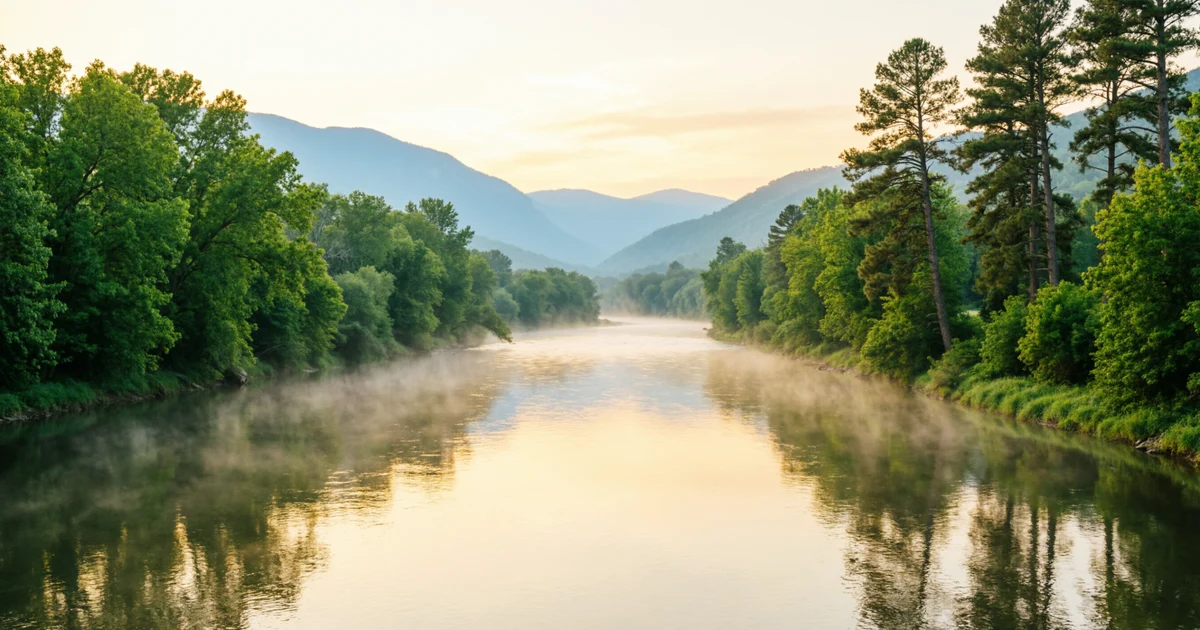
A river never gives writers just one image. It can move gently through a quiet valley, rush through rocks after heavy rain, shine like silver under the sun, or carry deep meaning about life and time. That makes a river one of the most useful images in descriptive writing.
A strong simile for river helps readers see movement, sound, beauty, strength, peace, or emotion. It can make a school paragraph clearer, a poem more vivid, or a story scene more memorable.
In this guide, you will learn what river similes mean, how to use them well, and which examples fit different moods and writing styles.
What a Simile for River Means
A simile for river compares a river to something else using like or as. The comparison helps readers picture the river more clearly.
Example:
The river flowed like a silver ribbon through the valley.
This simile compares the river to a silver ribbon. It shows that the river looks bright, smooth, narrow, and graceful.
A river simile can describe many things:
• How the river moves
• How the river sounds
• How the river shines
• How calm or wild the river feels
• What the river represents in a story or poem
Here are simple examples:
• The river moved like a song.
• The river twisted like a snake.
• The river shone like glass.
• The river rushed like wild horses.
• The river flowed like time.
Each simile gives the river a different feeling. A writer can make the river peaceful, powerful, mysterious, beautiful, or emotional through one strong comparison.
Why Writers Compare Things to Rivers
Writers compare things to rivers because rivers feel alive. A river moves forward, changes direction, carries things, reflects light, and shapes the land around it. These qualities make rivers useful for describing more than water.
A river can help writers describe:
• Life
• Time
• Memory
• Grief
• Hope
• Music
• Change
• Movement
• Strength
Examples:
• Her thoughts ran like a river after rain.
• Time flowed like a river through their lives.
• His anger rushed like a flooded river.
• The music moved like a river through the room.
These comparisons work because readers already understand rivers. They know rivers can feel calm, deep, fast, dangerous, or beautiful. A writer can use that familiar image to explain something harder to describe.
Instead of writing, she felt many emotions, you can write:
Her emotions moved through her like a deep river after a storm.
That sentence gives readers a stronger image and a clearer feeling.
Best Similes for River With Clear Meanings
The best river similes match the mood of the sentence. A calm river needs a soft comparison. A wild river needs a forceful one. A bright river needs an image of light or shine.
Here are some strong river similes with meanings:
• The river flowed like liquid silver.
Meaning: The river looked smooth, bright, and beautiful.
• The river twisted like a snake through the grass.
Meaning: The river had a winding shape.
• The river rushed like wild horses down the mountain.
Meaning: The river moved with speed and power.
• The river whispered like a secret in the dark.
Meaning: The river made a soft and quiet sound.
• The river shone like a mirror beneath the sky.
Meaning: The river reflected the sky clearly.
• The river moved like life itself.
Meaning: The river showed change, movement, and direction.
• The river roared like an angry beast.
Meaning: The river sounded loud and dangerous.
• The river slipped through the forest like a quiet thought.
Meaning: The river moved gently and silently.
• The river sparkled like diamonds in the sun.
Meaning: The river glittered brightly in sunlight.
• The river carried leaves like letters from autumn.
Meaning: The river seemed to carry messages from nature.
A strong simile should feel easy to understand. It should also add something useful to the sentence.
Simple Similes for River Students Can Use
Students often need river similes for poems, descriptive paragraphs, stories, or homework. Simple similes work best because they create a clear picture without confusing the reader.
Here are easy river similes for students:
• The river flowed like a long road of water.
• The river shone like silver.
• The river moved like a snake.
• The river sparkled like diamonds.
• The river ran like a child in a hurry.
• The river looked as calm as glass.
• The river sounded like a soft song.
• The river felt as cold as ice.
• The river twisted like a ribbon.
• The river rushed like a train.
Example sentences:
• The river shone like silver in the morning sun.
• The river moved like a snake between the trees.
• After the rain, the river ran like a child in a hurry.
• The river sounded like a soft song beside the village.
Students should choose a simile that matches the scene. A quiet river should not sound like thunder unless the weather or setting makes it wild.
Beautiful Similes for River in Creative Writing
Creative writing needs images that help readers feel the scene. A beautiful river simile can create mood, color, sound, and emotion in one line.
Examples:
• The river shimmered like silk under the sun.
• The river glowed like moonlight poured across the earth.
• The river curled through the valley like a silver thread.
• The river sang like the earth remembering an old song.
• The river carried the sunset like fire in glass.
• The river moved like a dream beneath the trees.
• The river breathed like a quiet soul in the valley.
Example paragraph:
The river curled through the valley like a silver thread. At sunset, it carried the last light like fire in glass. Every ripple caught the sky, and every bend seemed to hold a memory.
Beautiful river similes work well in:
• Poems
• Nature essays
• Short stories
• Personal writing
• Descriptive paragraphs
The best creative similes use simple words with a fresh image. They do not need complicated language to feel powerful.
Powerful Similes That Show a River’s Strength
A river can look calm, but it can also show great force. Heavy rain, melting snow, and steep land can turn a quiet river into something loud and dangerous. Powerful river similes help writers show that strength.
Examples:
• The river charged like a bull through the canyon.
• The river roared like thunder between the cliffs.
• The river crashed against the rocks like fists on a door.
• The river rushed like an army across the valley.
• The river pulled at the banks like a beast on a chain.
• The river struck the stones like a hammer.
• The river cut through the land like a blade.
Example sentences:
• After three days of rain, the river charged like a bull through the canyon.
• The river roared like thunder as it slammed into the rocks.
• The floodwater rushed like an army across the fields.
These similes suit scenes with danger, action, storms, floods, or wild nature. They help readers feel the river’s force instead of just seeing it.
Calm River Similes for Peaceful Scenes
A calm river creates a mood of rest, silence, and beauty. Writers use calm river similes when they want a peaceful setting or a gentle emotional tone.
Examples:
• The river rested like glass beneath the morning sky.
• The river moved like a slow breath through the meadow.
• The river flowed like a lullaby beside the trees.
• The river lay as calm as a sleeping child.
• The river whispered like soft wind through leaves.
• The river drifted like a peaceful thought.
• The river shone like a quiet mirror.
Example paragraph:
The river moved like a slow breath through the meadow. Birds crossed the pale sky, and the water held their shadows. Nothing hurried there. Even the reeds seemed to listen.
Calm river similes often use soft images such as:
• Glass
• Breath
• Lullaby
• Mirror
• Sleep
• Whisper
• Silk
These images make the river feel gentle and safe.
Fast River Similes for Movement and Energy
A fast river gives writing speed, urgency, and excitement. Fast river similes work well in action scenes, adventure writing, and descriptions after rain or storms.
Examples:
• The river raced like a horse down the mountain.
• The river ran like children leaving school.
• The river rushed like traffic through a city street.
• The river flew over the stones like silver sparks.
• The river sped through the gorge like a train.
• The river leaped like a dancer over the rocks.
• The river poured downhill like a crowd in a hurry.
Example sentences:
• The mountain river raced like a horse after the storm.
• White water leaped like a dancer over the rocks.
• The river sped through the gorge like a train.
Fast river similes can also describe things that move quickly outside nature.
Examples:
• News spread through the town like a fast river.
• His thoughts rushed like a river after heavy rain.
• The crowd moved like a river through the narrow street.
A fast river image gives energy to any sentence.
Deep River Similes for Emotions and Thoughts
A river can show emotional depth because water often hides what lies beneath. Deep river similes help writers describe grief, love, memory, fear, wisdom, and inner conflict.
Examples:
• Her sadness ran through her like a deep river.
• His thoughts moved like dark water under ice.
• Their love flowed like a river with no end.
• Memory rose in him like a river after rain.
• Fear moved through the room like a black river.
• Her silence felt like a river too deep to cross.
• Hope flowed inside him like a hidden stream feeding a river.
Example paragraph:
Her grief moved through her like a deep river. It did not always make noise, but it carried weight. Some days it touched the surface. Other days it ran silently beneath every word.
Deep river similes work best when the writing needs emotional seriousness. They help readers feel what a character carries inside.
Similes for a River Like Life
Many writers compare a river to life because both move forward. A river faces stones, bends, storms, quiet banks, and open spaces. Life also changes direction and keeps moving through difficulty.
Examples:
• Life is like a river, always moving toward an unseen sea.
• Her life moved like a river around every obstacle.
• His journey flowed like a river through rough and gentle places.
• Life runs like a river, sometimes calm and sometimes wild.
• The years carried him like a river beneath many bridges.
Example sentences:
• Life is like a river because it keeps moving even when the path changes.
• Her life moved like a river around loss, joy, and hard choices.
• His childhood passed like a river in spring, bright and fast.
This type of simile works well in:
• Personal essays
• Speeches
• Poems about growth
• Stories about change
• Reflective writing
A river and life simile often gives readers a clear message. Life keeps moving, and people can find new paths.
Similes for a River Like Time
A river makes a strong image for time because both move forward. People cannot hold river water in their hands for long. In the same way, people cannot stop time from passing.
Examples:
• Time flowed like a river through their hands.
• The years passed like a river under the bridge.
• Childhood slipped away like a river at dusk.
• Time moved like a quiet river through the old house.
• The past returned like a river after heavy rain.
• The days ran together like river water after a storm.
Example paragraph:
Time moved like a quiet river through the old house. Each room held a different season, and every photograph seemed to float on the surface of memory.
River similes for time fit writing about:
• Aging
• Memory
• Childhood
• Regret
• Family history
• Change
They help readers understand the feeling of time passing, not just the fact that time passes.
Similes for a River Like a Journey
A river begins in one place and travels toward another. It bends, widens, narrows, slows, and speeds up along the way. That makes it a useful image for a journey.
Examples:
• The journey stretched before them like a river through unknown land.
• His career flowed like a river full of unexpected bends.
• Their friendship moved like a river, growing deeper with every mile.
• The road curved like a river through the mountains.
• Her search for truth ran like a river through every chapter of her life.
Example sentences:
• The journey stretched before them like a river through unknown land.
• His dream began like a small stream and grew like a river.
• Their friendship flowed like a river, sometimes quiet and sometimes full of life.
A river journey simile works well when a character grows, learns, travels, or changes. It gives the writing a sense of direction.
Similes for a River Like Music
A river has sound. It can murmur, hum, ripple, sing, rush, or roar. That makes music a natural comparison for a river.
Examples:
• The river flowed like a soft song through the valley.
• The river sang like a choir of clear voices.
• The river hummed like a low tune under the bridge.
• The river played over the stones like fingers on piano keys.
• The river rose and fell like music in the dark.
• The river murmured like an old melody.
Example paragraph:
The river played over the stones like fingers on piano keys. Each ripple added a note, and the trees leaned close as if they wanted to hear the song.
Music similes can show different moods:
• A soft song suggests peace
• A drumbeat suggests power
• A lullaby suggests comfort
• A low tune suggests sadness
• A choir suggests beauty
Choose the musical image that matches the river’s sound and the scene’s feeling.
Similes for a River Like a Mirror
A still river can reflect the sky, moon, trees, stars, and mountains. Writers often compare a calm river to a mirror when they want a clear image of reflection or stillness.
Examples:
• The river shone like a mirror under the blue sky.
• The river reflected the moon like a silver mirror.
• The river held the trees like a mirror in the forest.
• The river lay like a mirror between the hills.
• The river caught the sunset like a mirror made of fire.
Example sentences:
• At dawn, the river shone like a mirror under the pale sky.
• The river held the clouds like a mirror placed below the mountains.
• The moon floated on the river like a face in a silver mirror.
A mirror simile works best for calm water. If the river runs fast or turns muddy after rain, a mirror comparison will not fit the scene.
Similes for a River Like a Snake
A river often bends and twists across land. From a hill or high place, it can look like a snake moving through grass, fields, or forest.
Examples:
• The river twisted like a snake through the valley.
• The river slid through the reeds like a green snake.
• The river curled like a sleeping snake beneath the cliffs.
• The river wound through the forest like a snake in tall grass.
• The river moved like a silver snake across the plain.
Example paragraph:
From the hilltop, the river looked like a silver snake crossing the valley. It slipped between trees, curved around farms, and disappeared behind the dark forest.
A snake simile can create different moods.
• Silver snake feels beautiful
• Green snake feels natural
• Dark snake feels mysterious
• Sleeping snake feels calm
• Striking snake feels dangerous
The words around the simile decide the tone.
Similes for a River Like Silver
Writers often compare a river to silver because water reflects light. Sunlight, moonlight, and pale sky can make a river look bright and precious.
Examples:
• The river gleamed like silver in the morning light.
• The river ran like liquid silver through the field.
• The river curved like a silver ribbon around the hill.
• The river flashed like silver under the sun.
• The river looked like a silver road beneath the moon.
Example sentences:
• At sunrise, the river gleamed like silver in the valley.
• The river ran like liquid silver between the dark trees.
• Under the moon, the river looked like a silver road leading into the night.
Silver similes work best in scenes with light. They fit poems, romantic scenes, peaceful nature writing, and descriptions of sunrise or moonlight.
Similes for a River in Poems
Poets use river similes because a river can carry deep meaning in a small number of words. A river can suggest memory, love, grief, change, hope, or time.
Examples:
• My heart flows like a river after rain.
• Her voice moves like a river through the dark.
• The years run like a river past my door.
• Hope rises like a river in spring.
• Your memory shines like a river under moonlight.
• My sorrow bends like a river around stone.
• The night drifts like a river without banks.
Short poem example:
The river moves like a whispered song,
soft through grass and deep through stone.
It carries moonlight, leaves, and years,
then leaves me listening alone.
A river simile in poetry should feel focused. One clear river image often works better than several crowded comparisons.
Similes for a River in Nature Writing
Nature writing needs close observation. A river simile should match what the writer actually sees, hears, and feels.
Examples:
• The river ran like cold glass over the stones.
• The river slipped through the reeds like wind through grass.
• The river widened like an open hand near the lake.
• The river foamed like milk where it struck the rocks.
• The river glided like a shadow beneath the trees.
• The river breathed like the valley itself.
Example paragraph:
The river ran like cold glass over the stones. Minnows flashed in the shallows, and reeds bent where the current tugged them. The air smelled of mud, leaves, and rain.
Strong nature writing uses the senses:
• Sight
• Sound
• Touch
• Smell
• Movement
A good river simile should grow from the scene. It should not feel random or forced.
Example Sentences Using River Similes
Here are useful river simile sentences for different writing needs.
For peaceful scenes:
• The river flowed like a lullaby beside the sleeping town.
• The river lay like a mirror under the soft morning light.
• The river drifted like a quiet thought through the meadow.
For fast movement:
• The river raced like a horse down the mountain.
• The river rushed like a crowd through the narrow gorge.
• The river leaped over the stones like a dancer.
For beauty:
• The river shone like silver beneath the moon.
• The river curved like a ribbon through the green valley.
• The river sparkled like diamonds in the sun.
For emotion:
• Her sadness moved through her like a deep river.
• His anger rushed like a flooded river after a storm.
• Hope returned like a river in spring.
For life and time:
• Life flows like a river, always finding a path forward.
• The years passed like a river beneath the bridge.
• Their journey stretched like a river toward the horizon.
For poetry:
• Your voice flows like a river through my dreams.
• Memory shines like a river under evening light.
• My heart bends like a river around old pain.
These examples show how one image can fit many moods. The writer only needs to choose the right comparison for the scene.
How to Write Your Own Simile for River
You can write your own river simile by starting with one clear quality. Think about what the river does before you choose a comparison.
Ask these questions:
1• Does the river move fast or slow?
2• Does it look bright or dark?
3• Does it sound soft or loud?
4• Does it feel peaceful or dangerous?
5• Does it remind you of life, time, music, or emotion?
Use this simple pattern:
The river flowed like a blank.
Examples:
• The river flowed like a song.
• The river flowed like silk.
• The river flowed like time.
• The river flowed like a dream.
You can also use this pattern:
The river was as blank as a blank.
Examples:
• The river was as calm as a sleeping child.
• The river was as cold as glass.
• The river was as dark as midnight.
• The river was as bright as silver.
To improve a simple simile, add detail.
Simple:
The river flowed like a song.
Stronger:
The river flowed like a soft song through the quiet valley.
Simple:
The river twisted like a snake.
Stronger:
The river twisted like a silver snake through the fields.
A strong river simile needs:
• A clear image
• A matching mood
• Simple words
• A natural connection
The best simile should help the reader see or feel something more clearly.
Conclusion
A simile for river can describe much more than water. It can show peace, speed, strength, beauty, time, life, memory, and emotion. A river can shine like silver, twist like a snake, flow like music, or move like life itself.
The strongest river similes match the scene. A calm river may look like glass. A fast river may race like a horse. A deep river may carry grief, memory, or hope. When the comparison fits the mood, the sentence feels natural and vivid.
To write your own river simile, focus on one quality first. Then choose an image that shares that quality. That simple method can turn plain writing into a clear and memorable picture.
FAQs
What is a simile for river?
A simile for river compares a river to something else using like or as. For example, the river flowed like a silver ribbon.
What is a good simile for a river?
A good simile for a river is the river flowed like a song through the valley. It shows movement, sound, and beauty.
What is a simple river simile for students?
A simple river simile for students is the river shines like silver. It uses easy words and creates a clear image.
What is a simile for a fast river?
A strong simile for a fast river is the river raced like a horse after the rain. It shows speed and energy.
What is a simile for a calm river?
A good simile for a calm river is the river lay like a mirror under the sky. It shows stillness and reflection.
What is a poetic simile for river?
A poetic simile for river is the river carried the moon like a secret in silver hands. It creates beauty and emotion.
Can a river simile describe life?
Yes, a river simile can describe life. For example, life flows like a river, always moving toward new places.
Can a river simile describe time?
Yes, writers often compare time to a river. For example, time moved like a quiet river through their lives.
What is a river simile for sadness?
A river simile for sadness is her grief moved through her like a deep river. It shows quiet emotional depth.
How do I create my own river simile?
Choose one river quality, such as speed, calmness, depth, or brightness. Then compare it to something with the same quality, such as a song, mirror, snake, ribbon, or storm.