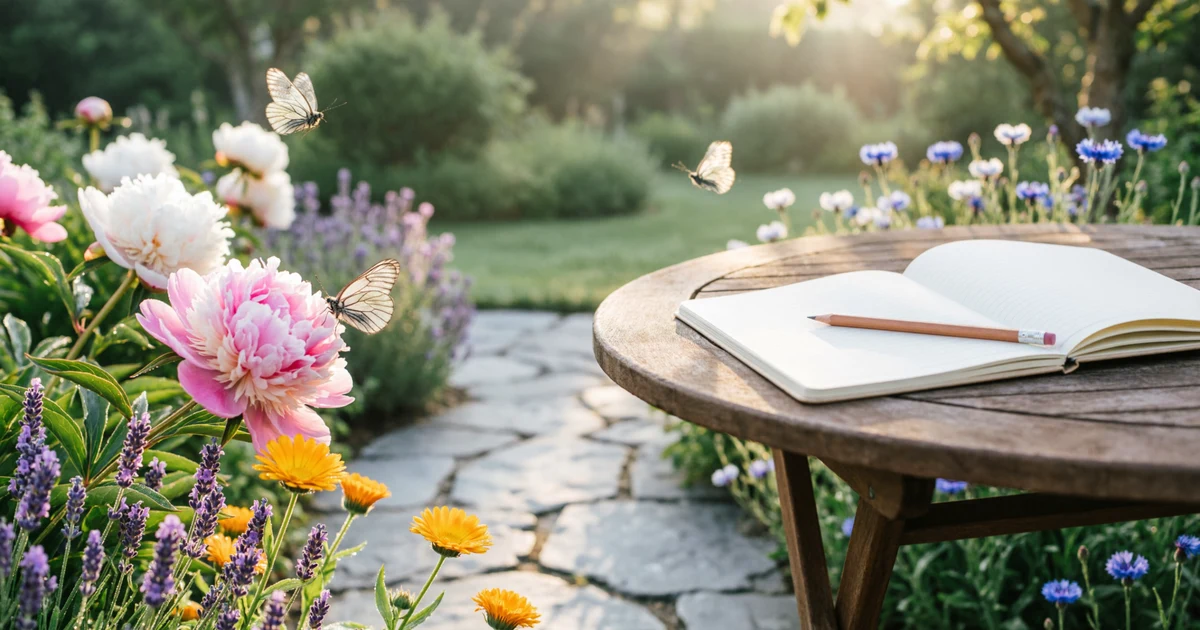
A garden can feel calm, colorful, fresh, wild, bright, or magical. That makes it a rich subject for similes. A good garden simile helps readers see the flowers, smell the soil, hear the birds, and feel the quiet beauty of the place.
In this guide, you will learn what a simile for garden means, why writers use garden similes, and how to create your own. You will also find many clear examples for school writing, poems, stories, nature descriptions, and creative sentences.
What Simile for Garden Means in Simple Words
A simile for garden compares a garden to something else using words such as like or as. The comparison helps the reader imagine the garden more clearly.
For example:
The garden looked like a painted dream.
This sentence compares the garden to a painted dream. It suggests beauty, color, and softness.
Another example:
The garden felt as peaceful as a sleeping lake.
This simile shows calmness. It helps the reader feel the quiet mood of the garden.
A garden simile can describe many things, such as:
- Color
- Smell
- Peace
- Growth
- Flowers
- Weather
- Light
- Movement
- Beauty
A strong garden simile does not only say that a garden looks nice. It shows what kind of beauty the garden has.
Why Writers Use Garden Similes in Descriptive Writing
Writers use garden similes because gardens contain many sensory details. A garden can include bright flowers, soft grass, fresh air, buzzing insects, warm sunlight, and the smell of wet soil.
A simple sentence may say:
The garden was beautiful.
A stronger sentence can say:
The garden bloomed like a box of spilled jewels.
The second sentence gives the reader a clearer picture. It suggests color, richness, and surprise.
Garden similes help writers:
- Create visual images
- Add emotion to a scene
- Make nature writing more vivid
- Show mood without long explanation
- Help students improve descriptive writing
- Make poems and stories more memorable
A good simile turns a plain garden into a living scene.
Best Similes for Garden With Clear Meanings
Here are some strong similes for garden with simple meanings.
The garden was like a rainbow resting on the earth.
Meaning: The garden had many bright colors.
The garden spread out like a green carpet under the sun.
Meaning: The grass or plants covered the ground smoothly.
The garden smelled as fresh as rain on warm soil.
Meaning: The garden had a clean, natural smell.
The garden looked like a secret world hidden behind the wall.
Meaning: The garden felt private, magical, or mysterious.
The garden was as calm as a quiet prayer.
Meaning: The garden created a peaceful feeling.
The garden bloomed like laughter after a long silence.
Meaning: The garden felt joyful and full of life.
The best similes match the exact feeling you want to create. A peaceful garden needs a calm comparison. A colorful garden needs a bright comparison. A wild garden needs a lively comparison.
Simple Garden Similes for Students
Students often need short and clear similes that make sense quickly. These garden similes work well in school sentences, essays, and creative writing tasks.
Examples:
- The garden was as green as an emerald.
- The flowers looked like tiny stars.
- The grass felt as soft as a blanket.
- The garden smelled like fresh rain.
- The roses were as red as rubies.
- The leaves danced like happy children.
- The garden was as quiet as a library.
- The butterflies moved like floating petals.
Students should choose similes that feel easy to understand. A clear simile works better than a confusing one.
Weak example:
The garden was like an idea.
This feels too vague.
Better example:
The garden was like a bright painting full of flowers.
This gives the reader a clear image.
Beautiful Similes for a Peaceful Garden
A peaceful garden needs gentle comparisons. Think about silence, still water, soft wind, warm shade, and slow movement.
Examples:
The garden rested like a sleeping child in the afternoon sun.
This simile creates a soft and safe mood.
The garden felt as peaceful as a temple at dawn.
This suggests silence, respect, and calmness.
The garden breathed like a quiet forest after rain.
This gives the garden a living, natural feeling.
The flowers stood like calm listeners around the path.
This makes the garden feel gentle and aware.
The garden was as soothing as a cup of tea on a tired evening.
This simile connects the garden with comfort and rest.
Peaceful garden similes work well in reflective writing, personal essays, poems, and emotional scenes.
Colorful Similes for a Blooming Garden
A blooming garden often feels full of life. You can compare it to jewels, paintings, festivals, sunlight, or fabric.
Examples:
The blooming garden looked like a festival of colors.
This shows energy and celebration.
The flowers opened like tiny lanterns in the morning light.
This simile gives the flowers warmth and glow.
The garden shone like a painter’s palette after a joyful storm.
This creates a creative and colorful image.
The flower beds looked as bright as scattered jewels.
This suggests richness and beauty.
The garden bloomed like a smile across the earth.
This makes the garden feel happy and welcoming.
Colorful similes work best when you mention specific colors or flowers. A rose garden, tulip garden, or wildflower garden each needs a slightly different image.
Fresh Garden Similes for Nature Writing
Nature writing needs freshness, detail, and honest observation. A garden does not only look beautiful. It also smells alive, feels cool, and changes with light and weather.
Examples:
The garden smelled like the first breath after rain.
This simile focuses on freshness.
The leaves looked as fresh as new pages in spring.
This suggests new life and clean growth.
The garden felt like morning held in green hands.
This creates a soft and poetic image.
The herbs smelled as sharp as sunlight on wet stone.
This gives a sensory feeling through smell and touch.
The garden woke like a bird stretching its wings.
This simile works well for morning nature writing.
Fresh garden similes should use natural details. Soil, rain, grass, leaves, seeds, and wind make the writing feel real.
Magical Similes for a Dreamy Garden Scene
Some gardens feel unreal, especially in fantasy stories, children’s writing, or poetic descriptions. Magical garden similes can create wonder without sounding childish.
Examples:
The garden glowed like a doorway to another world.
This suggests mystery and fantasy.
The flowers shimmered like tiny moons under the trees.
This creates a dreamlike night scene.
The path curved like a spell written in stone.
This gives the garden a magical shape.
The garden felt as strange and lovely as a dream remembered at sunrise.
This simile creates a soft, mysterious mood.
The vines climbed like green magic over the old wall.
This gives movement and enchantment to the plants.
Magical similes work best when you connect beauty with mystery. Avoid too many magical images in one paragraph, or the scene may feel crowded.
Garden Similes for Spring and New Growth
Spring gardens often suggest hope, change, youth, and fresh starts. Use similes that show growth, renewal, and gentle energy.
Examples:
The garden opened like a heart after winter.
This shows emotional renewal.
New leaves appeared like green sparks on the branches.
This creates a lively spring image.
The flowers rose like small promises from the soil.
This suggests hope and growth.
The garden woke like a child on a holiday morning.
This gives the garden excitement and innocence.
The seedlings stood as brave as little soldiers in the sun.
This shows the strength of new plants.
Spring similes work well in poems about hope, essays about nature, and stories that show change or healing.
Garden Similes for Flowers and Plants
Flowers and plants need precise similes because each plant has its own shape, color, and mood. A rose feels different from a sunflower. A vine feels different from a fern.
Examples:
The roses opened like velvet cups.
This suggests softness and rich color.
The sunflowers stood like golden faces turned toward the sky.
This shows height, brightness, and warmth.
The vines curled like green ribbons around the fence.
This creates a graceful image.
The lilies floated like white boats on a sea of leaves.
This works well for garden ponds or flower beds.
The lavender swayed like purple smoke in the breeze.
This creates color and motion.
When you write flower similes, notice the flower first. Think about its color, texture, shape, smell, and movement.
Garden Similes for Smell and Freshness
A garden’s smell can make a sentence feel alive. You can describe the scent of flowers, herbs, rain, soil, grass, or leaves.
Examples:
The garden smelled as sweet as honey warmed by the sun.
This creates a warm floral scent.
The mint smelled like a cool breeze in a green cup.
This gives freshness and sharpness.
The wet soil smelled as rich as fresh bread from an oven.
This connects earthiness with comfort.
The roses smelled like summer gathered into one breath.
This suggests warmth, beauty, and fullness.
The garden air felt as fresh as clean linen on a morning line.
This creates a clean and calm image.
Smell based similes work well because they pull readers deeper into the scene. Many writers focus only on sight, but scent often creates a stronger memory.
Garden Similes for Birds, Bees, and Butterflies
A garden often moves with small life. Birds, bees, and butterflies add sound, motion, and energy.
Examples:
The butterflies drifted like petals that had learned to fly.
This creates a delicate image.
The bees moved like tiny workers in golden coats.
This shows busyness and purpose.
The birds sang like silver bells hidden in the leaves.
This focuses on sound.
The sparrows hopped like quick brown thoughts across the path.
This gives fast movement and charm.
The bees buzzed like a soft engine under the flowers.
This gives sound and movement without making the scene harsh.
Use these similes when you want the garden to feel active rather than still.
Garden Similes for Morning Light and Sunshine
Morning light can change the whole mood of a garden. It can make flowers glow, dew shine, and shadows soften.
Examples:
Morning light spilled across the garden like warm honey.
This creates a golden image.
The sunlight touched the flowers like gentle hands.
This suggests tenderness.
The garden shone as bright as a window opened to spring.
This gives freshness and brightness.
The dew glittered like tiny diamonds on the grass.
This shows sparkle and detail.
The sun rose over the garden like a golden blessing.
This creates a peaceful, hopeful mood.
Sunlight similes work well at the start of a story, poem, or descriptive paragraph because they set a clear mood.
Garden Similes for Rain, Dew, and Water
Rain and dew bring freshness, sound, and shine to a garden. Water can make a scene feel calm, romantic, sad, or renewed.
Examples:
The rain fell on the garden like soft music.
This gives the scene a gentle sound.
Dew rested on the petals like tiny glass beads.
This creates a clear visual image.
The garden after rain smelled like the earth had taken a deep breath.
This suggests freshness and relief.
Water ran along the path like a silver thread.
This shows movement and shine.
The wet leaves gleamed like polished green glass.
This creates texture and color.
Rain similes can show sadness or comfort. Choose your comparison based on the mood of the scene.
Garden Similes for Silence, Calm, and Peace
Silence in a garden does not always mean emptiness. It can feel full, soft, and thoughtful. A quiet garden often creates emotional depth.
Examples:
The garden was as silent as a held breath.
This creates tension or deep stillness.
The garden sat like a quiet friend beside the house.
This suggests comfort and companionship.
The silence lay over the garden like a soft shawl.
This gives the quiet a warm feeling.
The garden felt as calm as a page before a poem begins.
This works well for reflective writing.
The still flowers stood like thoughts waiting to bloom.
This connects silence with imagination.
Quiet garden similes suit scenes about memory, grief, peace, prayer, or personal reflection.
Garden Similes for Poems and Creative Writing
Poems need similes that feel fresh, musical, and meaningful. A poem about a garden should not only list flowers. It should create feeling.
Examples:
The garden bloomed like hope in a tired heart.
This connects nature with emotion.
The roses burned like small red suns.
This creates strong color and intensity.
The path wound through the garden like a memory.
This creates movement and reflection.
The leaves whispered like secrets in green language.
This gives sound and mystery.
The garden opened like a letter from spring.
This makes the garden feel personal and emotional.
For poetry, choose similes that carry both image and feeling. A poetic garden simile should show what the garden looks like and what it means.
Garden Similes for Story Settings
In stories, a garden can reveal mood, character, or theme. A happy garden can show safety. A neglected garden can show sadness, loneliness, or time passing.
Examples:
The garden behind the cottage grew like a secret no one wanted to tell.
This works for mystery or suspense.
The garden looked like a cheerful room without walls.
This creates a warm setting.
The old garden sagged like a tired woman under the weight of years.
This shows age and neglect.
The garden wrapped around the house like a protective arm.
This suggests safety and comfort.
The wild garden spread like a green storm across the yard.
This creates energy and disorder.
Story settings need purpose. Do not add a garden simile only for decoration. Use it to support the mood, character, or action.
Short Garden Similes That Students Can Remember
Short similes help students write clearly. They also work well in worksheets, quick assignments, and simple poems.
Examples:
- As green as grass
- Like a rainbow
- As fresh as rain
- Like a dream
- As bright as sunshine
- Like a flower carpet
- As soft as moss
- Like a secret place
- As calm as a pond
- Like spring in a bowl
Students can use these in sentences:
The garden was as fresh as rain.
The flower bed looked like a rainbow.
The moss felt as soft as a pillow.
Short similes should stay clear and natural. They do not need complicated words to work well.
Strong Example Sentences Using Garden Similes
Here are complete garden simile sentences you can use for inspiration.
The garden looked like a colorful quilt spread across the earth.
The roses stood as proud as queens in red dresses.
The path curved through the garden like a lazy river.
The morning garden smelled like rain, sunlight, and new leaves mixed together.
The flowers nodded like friendly faces in the breeze.
The garden glowed like a small piece of heaven after sunrise.
The weeds crept through the beds like unwanted guests.
The butterflies floated like scraps of silk above the flowers.
The old garden looked as tired as a forgotten house.
The spring garden opened like a new chapter in the year.
Each sentence creates a different feeling. Some show beauty, Some show peace, Some show age or wildness. Strong writing depends on the exact mood you want.
How to Write Your Own Garden Simile Naturally
You can write your own garden simile by looking closely at the garden first. Do not begin with a random comparison. Start with what you want to describe.
Follow these steps:
- Choose one garden detail
Pick flowers, grass, smell, sunlight, rain, birds, or silence.
- Decide the mood
Ask yourself whether the garden feels peaceful, bright, wild, magical, sad, fresh, or joyful.
- Find a matching comparison
Compare the garden detail to something familiar.
- Keep the sentence simple
A natural simile should feel clear, not forced.
Example process:
Detail: yellow flowers
Mood: cheerful
Comparison: little suns
Sentence: The yellow flowers shone like little suns along the path.
Another example:
Detail: quiet garden
Mood: calm
Comparison: sleeping lake
Sentence: The garden rested as calmly as a sleeping lake.
A strong garden simile feels accurate. It helps readers see the scene and feel the mood at the same time.
Conclusion
A simile for garden helps turn ordinary description into clear, vivid writing. It can show color, peace, freshness, movement, smell, light, growth, or mystery. The best garden similes do more than decorate a sentence. They help readers enter the scene.
Use simple comparisons for school writing, Use sensory details for nature descriptions, Use emotional images for poems and stories. When you match the simile to the exact mood of the garden, your writing feels natural, memorable, and full of life.
FAQs
What is a simile for garden?
A simile for garden compares a garden to something else using like or as. For example, the garden looked like a rainbow on the ground.
What is a simple simile for garden?
A simple simile for garden is the garden was as green as an emerald. It gives a clear picture in easy words.
What is a beautiful simile for a garden?
A beautiful simile is the garden bloomed like a smile across the earth. It shows beauty, warmth, and joy.
What is a simile for a peaceful garden?
A good simile for a peaceful garden is the garden felt as calm as a sleeping lake.
What is a simile for a blooming garden?
A blooming garden can look like a festival of colors. This simile shows brightness and energy.
What is a simile for flowers in a garden?
A flower simile can say the flowers looked like tiny lanterns in the morning light.
How do you write a garden simile?
Choose one garden detail, decide the mood, then compare it with something familiar. Keep the sentence clear and natural.
Why do writers use garden similes?
Writers use garden similes to make descriptions more vivid. Similes help readers see, feel, and remember the garden.
Can students use garden similes in essays?
Yes, students can use garden similes in essays, poems, stories, and descriptive paragraphs to make writing stronger.
What is a creative simile for garden?
A creative simile is the garden felt like morning held in green hands. It gives the garden freshness and emotion.