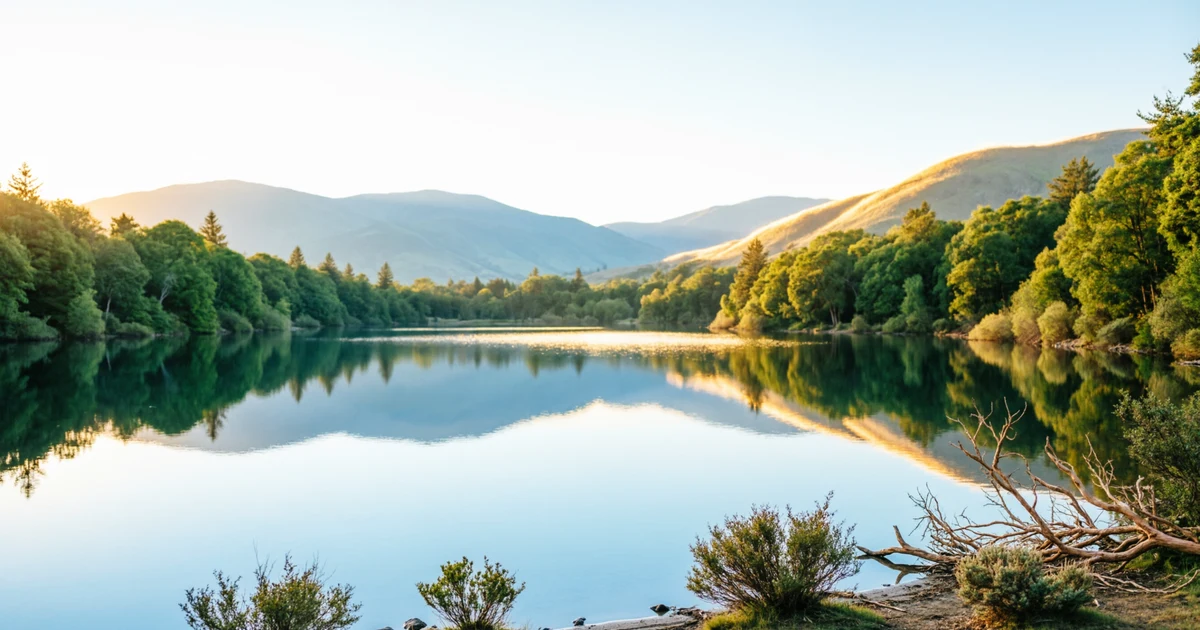
A lake can look calm, deep, bright, cold, mysterious, or full of life. That makes it a powerful image in writing. When you compare a lake to something familiar, readers can feel its mood more clearly.
A good simile for lake does more than describe water. It shows peace, beauty, depth, silence, reflection, or movement. In this guide, you will learn what lake similes mean, how writers use them, and how to create strong examples for stories, poems, essays, and school writing.
What a Simile for Lake Means in Simple Words
A simile for lake compares a lake to something else using words such as like or as. The comparison helps readers imagine the lake more clearly.
For example:
The lake was as calm as a sleeping child.
This simile shows stillness and peace. It does not only say the lake was calm. It gives the reader a soft image that feels quiet and gentle.
Another example:
The lake shone like a sheet of silver.
This creates a bright visual image. It helps the reader picture sunlight on the surface of the water.
A lake simile can describe:
• Color
• Size
• Depth
• Stillness
• Movement
• Mood
• Weather
• Reflection
The best lake similes match the feeling of the scene. A peaceful lake needs a peaceful comparison. A stormy lake needs a stronger and more active image.
Why Writers Use Similes to Describe a Lake
Writers use lake similes because lakes often carry emotion. A lake can create a peaceful mood in one scene and a lonely mood in another. A simple comparison can make that mood easier to feel.
For example:
The lake lay before us like a quiet secret.
This simile suggests silence, mystery, and hidden depth. It works well in a story where a character feels thoughtful or uncertain.
Writers also use lake similes to avoid plain description. Instead of writing the lake was beautiful, a writer can say:
The lake glittered like scattered diamonds under the morning sun.
This gives the reader a stronger picture. It shows beauty through image and light.
Lake similes help writers:
• Build atmosphere
• Show emotion
• Create visual detail
• Make nature writing more vivid
• Give ordinary scenes a poetic touch
A strong simile helps readers see the lake and feel its place in the scene.
Best Similes for Lake With Clear Meanings
Here are some strong similes for lake with simple meanings.
The lake was like a mirror under the open sky.
This means the lake reflected the sky clearly.
The lake was as still as glass.
This means the water had no waves or movement.
The lake sparkled like a field of stars.
This means sunlight or moonlight made the water shine.
The lake stretched like a blue blanket across the valley.
This means the lake looked wide, smooth, and peaceful.
The lake looked as deep as a forgotten dream.
This means the lake felt mysterious and full of hidden meaning.
The lake moved like silk in the wind.
This means the water had soft and smooth movement.
The lake glowed like silver in the moonlight.
This means the lake looked bright and pale at night.
Each simile gives a different feeling. Some focus on beauty. Some focus on peace. Some focus on mystery. Choose the one that fits your writing purpose.
Simple Lake Similes Students Can Use
Students often need lake similes for poems, descriptive paragraphs, homework, and creative writing. Simple similes work best because they sound clear and natural.
Easy examples include:
The lake was as blue as the sky.
The lake was as calm as a sleeping baby.
The lake shone like glass.
The lake sparkled like stars.
The lake was as cold as ice.
The lake looked like a giant mirror.
The lake moved like a soft blanket in the wind.
These examples help students describe a lake without making the sentence too complicated.
A useful student sentence could be:
The lake was as blue as the sky, and tiny waves touched the shore.
This sentence gives color and movement. It feels simple, but it still creates a clear picture.
Students should choose similes that they understand. A clear simile works better than a fancy one that feels forced.
Beautiful Similes for a Calm Lake
A calm lake often suggests peace, silence, rest, and reflection. Similes for a calm lake should feel soft and gentle.
Examples:
The lake rested like a sleeping giant.
The lake was as still as a held breath.
The lake looked like polished glass.
The lake lay like a quiet prayer in the valley.
The lake was as peaceful as a soft evening song.
These similes work well when you want a gentle mood.
For example:
At sunset, the lake rested like a sleeping giant, silent beneath the orange sky.
This sentence gives the lake size and calmness at the same time.
A calm lake can also show a character’s feelings. A peaceful lake may reflect inner peace. A silent lake may suggest loneliness or waiting.
Creative Similes for a Deep Lake
A deep lake can feel mysterious, powerful, and unknown. Similes for a deep lake should suggest hidden space beneath the surface.
Examples:
The lake was as deep as an old memory.
The lake seemed like a doorway to another world.
The lake was as dark as midnight glass.
The lake held its secrets like a locked chest.
The lake looked like a blue eye staring into the earth.
These similes create a stronger emotional effect than simple color description.
For example:
The deep lake looked like a blue eye staring into the earth, calm on top but full of secrets below.
This sentence gives the lake mystery and personality.
Deep lake similes work well in stories, fantasy writing, reflective essays, and poems about memory or fear.
Peaceful Similes for Lake Writing
Peaceful lake similes help create a soft and relaxing scene. They often compare the lake to quiet objects, gentle feelings, or calm moments.
Examples:
The lake was like a soft blanket spread across the land.
The lake was as quiet as a room at dawn.
The lake shimmered like a peaceful thought.
The lake moved like a whisper against the shore.
The lake rested like a calm heart.
These similes suit nature writing, meditation style writing, travel descriptions, and reflective paragraphs.
A peaceful sentence might read:
The lake moved like a whisper against the shore while the trees stood quietly around it.
This line creates a calm scene without overexplaining it.
Peaceful similes work best when the surrounding details also feel soft. Use words such as quiet, gentle, soft, slow, warm, still, and light.
Poetic Similes for Lakes in Nature
Poetic lake similes use stronger imagery and emotion. They often connect the lake with sky, light, dreams, memory, or music.
Examples:
The lake sang like a silver voice beneath the moon.
The lake opened like a dream between the hills.
The lake glittered like a poem written in light.
The lake breathed like the earth after rain.
The lake curved like a blue thought through the forest.
These similes feel more artistic. They suit poems, literary descriptions, and creative essays.
For example:
The lake glittered like a poem written in light, each ripple carrying a small piece of the sun.
This sentence gives beauty, movement, and imagination.
Poetic similes should still make sense. A beautiful comparison loses power when readers cannot understand the image.
Similes for a Lake Like Glass
A lake like glass means the water looks smooth, flat, shiny, and still. This simile works best when no wind disturbs the surface.
Examples:
The lake was as smooth as glass.
The lake shone like a pane of glass in the sun.
The lake lay like glass beneath the morning sky.
The lake looked as clear as a glass window.
The lake reflected the trees like glass on a quiet table.
These similes create a clean and peaceful image.
Example sentence:
At dawn, the lake lay like glass beneath the morning sky, reflecting every cloud above it.
This works well because the lake reflects the sky clearly.
Use glass similes when you want to show stillness, clarity, beauty, or reflection.
Similes for a Lake Like a Mirror
A lake like a mirror means the lake reflects things around it. It may reflect trees, mountains, clouds, stars, or the moon.
Examples:
The lake was like a mirror for the sky.
The lake reflected the mountains like a giant mirror.
The lake shone like a mirror under the morning sun.
The lake held the clouds like a mirror in the valley.
The lake looked like a mirror placed between the trees.
This type of simile works well in scenic writing.
Example sentence:
The lake looked like a mirror placed between the trees, holding the green forest on its surface.
This helps the reader picture the reflection clearly.
Mirror similes often suggest beauty, calmness, and self reflection. They can also create a thoughtful mood in personal writing.
Similes for a Lake Like Silver
A lake can look silver when sunlight, moonlight, or pale clouds shine on it. Silver similes create a bright and elegant image.
Examples:
The lake shimmered like silver in the moonlight.
The lake was as bright as polished silver.
The lake flashed like silver under the afternoon sun.
The lake spread like a sheet of silver across the valley.
The lake glowed like silver beneath the stars.
These similes suit evening scenes, sunrise scenes, and moonlit descriptions.
Example sentence:
Under the full moon, the lake shimmered like silver and made the whole valley feel quiet.
Silver similes often create a magical or romantic mood. They work especially well in poetry and descriptive nature writing.
Similes for a Lake Like a Dream
A lake like a dream suggests beauty, peace, softness, or mystery. This simile works well when the lake feels unreal or deeply peaceful.
Examples:
The lake floated in the valley like a dream.
The lake looked as soft as a dream at sunrise.
The lake glowed like a dream beneath the pink sky.
The lake seemed like a dream the earth had kept secret.
The lake rested like a dream between the mountains.
These similes create emotion rather than only visual detail.
Example sentence:
The lake rested like a dream between the mountains, quiet and blue in the early light.
This sentence gives the lake a soft, magical feeling.
Dream similes work best when you want to describe wonder, memory, peace, or beauty.
Similes for a Lake at Sunrise
At sunrise, a lake often reflects warm colors such as gold, pink, orange, and pale blue. Sunrise similes should focus on light, freshness, and new beginnings.
Examples:
The lake glowed like gold under the rising sun.
The lake blushed like the morning sky.
The lake sparkled like fresh jewels at sunrise.
The lake opened like a bright eye to the new day.
The lake shimmered like warm honey in the first light.
A sunrise lake simile can create a hopeful mood.
Example sentence:
The lake shimmered like warm honey in the first light as birds began to call from the trees.
This sentence gives color, warmth, and sound.
Sunrise similes work well in peaceful openings, travel writing, nature essays, and poems about hope.
Similes for a Lake at Night
A lake at night can feel quiet, dark, silver, mysterious, or magical. Night lake similes often use the moon, stars, shadows, or black glass.
Examples:
The lake was as dark as black glass.
The lake glittered like a sky full of fallen stars.
The lake glowed like silver under the moon.
The lake lay like a shadow between the hills.
The lake looked like a piece of night resting on the earth.
These similes create mood and atmosphere.
Example sentence:
The lake glittered like a sky full of fallen stars, each ripple catching the moonlight.
This line works well in poetry or a quiet story scene.
Night lake similes can suggest peace, mystery, loneliness, romance, or fear depending on the words around them.
Similes for a Frozen Lake
A frozen lake looks still, cold, hard, and pale. Similes for a frozen lake often compare it to glass, stone, crystal, or a white sheet.
Examples:
The frozen lake was as hard as stone.
The lake shone like crystal under the winter sun.
The lake stretched like a white sheet across the valley.
The frozen lake looked like glass trapped in winter.
The lake was as silent as a locked room.
These similes create a cold and quiet mood.
Example sentence:
The frozen lake stretched like a white sheet across the valley, bright under the pale winter sky.
Frozen lake similes work well in winter poems, descriptive paragraphs, and stories with lonely or harsh settings.
Similes for a Stormy Lake
A stormy lake feels active, loud, rough, and powerful. These similes should use strong images.
Examples:
The lake roared like an angry beast.
The lake tossed like a restless animal.
The lake crashed against the rocks like broken thunder.
The lake churned like a pot about to boil.
The lake rose like a dark wall in the storm.
These similes show danger and movement.
Example sentence:
The stormy lake roared like an angry beast as waves slammed against the wooden dock.
This sentence creates sound, force, and action.
Stormy lake similes suit dramatic scenes, adventure stories, and descriptions of wild weather.
Similes for a Clear Blue Lake
A clear blue lake suggests freshness, beauty, purity, and peace. Similes for a clear blue lake often compare it to sky, glass, jewels, or crystal.
Examples:
The lake was as blue as the summer sky.
The lake looked like a bowl of clear glass.
The lake sparkled like a blue jewel in the sunlight.
The lake was as clear as crystal.
The lake shone like a sapphire under the open sky.
These similes create a bright and clean image.
Example sentence:
The clear blue lake sparkled like a sapphire under the open sky, with small fish moving near the shore.
This sentence adds life to the visual description.
Clear blue lake similes work well in travel writing, nature descriptions, and school essays.
Example Sentences Using Lake Similes
Here are practical lake simile sentences you can use as models.
The lake was as calm as a sleeping child in the soft morning light.
The lake glittered like diamonds when the sun touched its surface.
The lake lay like a mirror between the tall green trees.
The lake looked as deep as a secret no one wanted to tell.
The lake shimmered like silver beneath the full moon.
The lake moved like silk when the breeze crossed it.
The lake roared like an angry beast during the storm.
The frozen lake shone like crystal in the winter sun.
The blue lake sparkled like a jewel in the valley.
The lake floated before us like a dream we did not want to leave.
You can change these sentences to fit your own scene. Add time, place, weather, or emotion to make the simile stronger.
How to Choose the Right Simile for a Lake
Choose a lake simile by thinking about the mood first. A lake can look peaceful, bright, cold, lonely, deep, or dangerous. Your comparison should match that feeling.
Ask yourself:
• Is the lake calm or moving?
• Is the scene happy, lonely, scary, or peaceful?
• What time of day appears in the scene?
• Does the lake reflect anything?
• What color stands out most?
• What do I want the reader to feel?
For a peaceful scene, use comparisons like glass, mirror, blanket, or dream.
For a mysterious scene, use comparisons like secret, dark eye, shadow, or deep memory.
For a stormy scene, use comparisons like beast, thunder, boiling pot, or dark wall.
A strong simile fits the scene naturally. It should not pull the reader away from the image.
Common Mistakes to Avoid When Writing Lake Similes
Writers often weaken lake similes when they choose comparisons that feel too common, unclear, or mismatched.
Avoid these mistakes:
• Do not use a simile that does not match the mood
• Do not describe a stormy lake with a soft image
• Do not use too many similes in one paragraph
• Do not choose a comparison only because it sounds fancy
• Do not repeat mirror or glass in every sentence
• Do not forget the setting around the lake
Weak example:
The stormy lake was like a soft pillow.
This does not match the scene because a stormy lake feels rough, not soft.
Better example:
The stormy lake roared like an angry beast.
This comparison matches the sound and movement.
A good simile should help the reader understand the lake faster and feel the scene more deeply.
Conclusion
A strong simile for lake can turn a simple description into a vivid scene. A lake can shine like silver, rest like glass, reflect the sky like a mirror, or roar like an angry beast in a storm. The right comparison depends on mood, weather, light, and the feeling you want to create.
Use simple similes for school writing and clear descriptions. Use poetic similes when you want a deeper emotional effect. Most of all, choose comparisons that feel natural. When the simile matches the scene, readers can see the lake and feel its beauty, silence, depth, or power.
FAQs
What is a good simile for lake?
A good simile for lake is the lake was as calm as glass. It shows stillness and creates a clear image.
What is a simple simile for lake?
A simple simile for lake is the lake was as blue as the sky. Students can use it easily in descriptive writing.
What is a beautiful simile for a lake?
A beautiful simile for a lake is the lake shimmered like silver beneath the moonlight.
What is a simile for a calm lake?
A good simile for a calm lake is the lake rested like a sleeping child. It shows peace and quiet.
What is a simile for a deep lake?
A strong simile for a deep lake is the lake was as deep as an old memory. It creates mystery and emotional depth.
What is a simile for a clear lake?
A clear lake can look as clear as crystal. This simile shows clean, transparent water.
What is a simile for a lake at night?
A lake at night can glitter like a sky full of fallen stars. This simile works well for moonlit scenes.
What is a simile for a frozen lake?
A frozen lake can shine like crystal under the winter sun. This shows cold beauty and stillness.
What is a simile for a stormy lake?
A stormy lake can roar like an angry beast. This simile shows power, noise, and danger.
How do I write my own lake simile?
Choose the lake’s mood first. Then compare it to something familiar, such as glass, silver, a dream, a mirror, or a stormy animal.