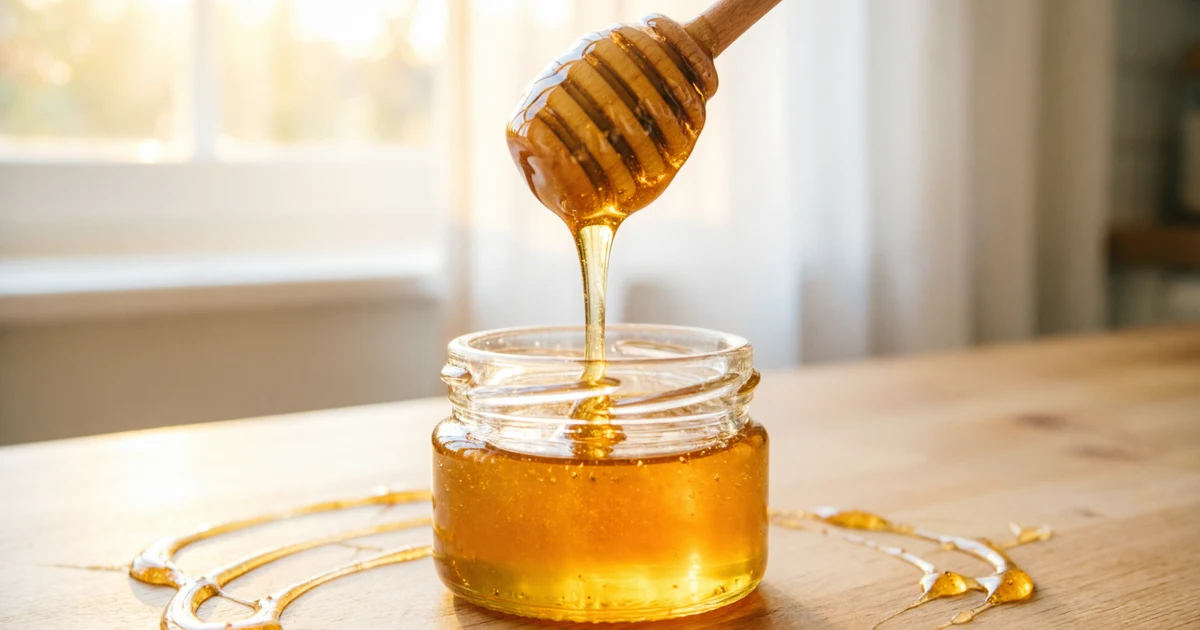
Honey creates a clear picture in the mind. It feels sweet, golden, smooth, warm, and comforting. That makes it a useful image in writing. When you compare a voice, smile, person, memory, or feeling to honey, you help the reader sense sweetness instead of just reading about it.
A simile for honey can describe taste, kindness, love, beauty, warmth, or softness. Some honey similes work well in school writing. Others fit poetry, stories, speeches, or personal messages. In this guide, you will learn what honey similes mean, how to use them naturally, and how to choose the right one for your sentence.
What Simile for Honey Means in Simple Words
A simile for honey compares something to honey using words such as like or as. Writers use this comparison when they want to show sweetness, warmth, smoothness, golden beauty, or gentle comfort.
For example:
- Her voice sounded as sweet as honey.
- The morning light flowed like honey across the wall.
- His words felt like warm honey on a cold day.
Each sentence gives honey a different meaning. In the first sentence, honey shows sweetness, In the second, it shows golden color and smooth movement, In the third, it shows comfort.
A honey simile works best when the thing you describe shares one clear quality with honey.
Why Writers Compare People and Things to Honey
Writers compare people and things to honey because honey carries strong natural meanings. Most readers already know how honey tastes, looks, and feels. That makes the comparison easy to understand.
Honey can suggest:
- Sweetness
- Kindness
- Warmth
- Beauty
- Comfort
- Softness
- Smoothness
- Rich color
- Gentle affection
A writer might say a person is as sweet as honey to show a kind nature. Another writer might say sunlight looked like honey to describe a warm golden glow. Honey gives the sentence feeling and color at the same time.
This kind of simile also sounds gentle. It suits positive descriptions, emotional writing, romantic lines, and peaceful scenes.
Best Similes for Honey With Clear Meanings
Here are some strong honey similes with simple meanings.
- As sweet as honey
This means very sweet, kind, or pleasant. - Like honey on the tongue
This describes words, music, or a voice that feels pleasing. - As golden as honey
This shows a rich yellow or amber color. - Like warm honey
This suggests comfort, softness, and warmth. - As smooth as honey
This describes a gentle voice, graceful movement, or soft texture. - Like honey dripping from a spoon
This shows slow, rich, smooth movement. - As comforting as honey in tea
This describes something soothing and gentle.
Examples:
- Her smile felt as sweet as honey.
- The sunset looked as golden as honey.
- His song moved like honey through the quiet room.
These similes work because each one gives the reader a clear image.
Sweet Similes for Honey That Sound Natural
Sweet honey similes often describe people, words, smiles, voices, or feelings. They work well when you want a warm and pleasant tone.
Examples:
- Her laugh was as sweet as honey.
- His thank you felt like honey after a long day.
- The child’s smile shone as sweet as honey.
- Her kind words slipped into my heart like honey.
- The song sounded like honey in the morning air.
These lines sound natural because they connect honey with things people already experience as pleasant. A sweet voice, a soft laugh, or a kind message can all carry the same gentle feeling as honey.
Avoid using honey for something that does not feel sweet or warm. For example, a loud argument does not fit a honey simile unless you use contrast for humor or irony.
Similes for Honey in Descriptive Writing
In descriptive writing, honey can help readers imagine color, movement, taste, and mood. You can use honey to describe scenes in nature, food, rooms, faces, or memories.
Examples:
- The sunlight spread like honey across the kitchen floor.
- The syrup moved as slowly as honey in winter.
- The candlelight glowed like honey inside the glass jar.
- Her hair caught the sun and shone as golden as honey.
- The quiet afternoon felt like honey, slow and warm.
Honey works well in descriptive writing because it appeals to the senses. Readers can almost see the color, feel the thickness, and taste the sweetness.
A good descriptive simile does more than decorate a sentence. It helps the reader enter the moment.
Similes for Honey That Describe a Kind Person
When you describe a kind person, honey can show warmth, gentleness, and sweetness. This works best for someone who speaks softly, helps others, or brings comfort.
Examples:
- She was as sweet as honey to everyone she met.
- His kindness spread like honey through the whole room.
- Her heart felt as warm as honey in tea.
- He treated strangers as gently as honey touches the tongue.
- Her caring nature was like honey, simple and soothing.
These similes help readers understand the person’s character through feeling. Instead of saying someone is kind again and again, you can use honey to create a softer image.
A strong character description needs proof. Add a small action after the simile.
Example:
- She was as sweet as honey, always saving the last piece of cake for her little brother.
That detail makes the simile feel real.
Similes for Honey That Describe a Sweet Voice
Honey often describes a smooth, warm, or pleasant voice. This kind of simile suits singers, storytellers, teachers, grandparents, and calm speakers.
Examples:
- Her voice was as sweet as honey.
- His words flowed like honey over the crowd.
- The singer’s voice sounded like warm honey.
- Grandma’s voice felt as comforting as honey in tea.
- Her whisper moved like honey through the quiet room.
A honey voice does not need to sound loud or dramatic. It should feel pleasant, soft, smooth, or soothing.
You can also use honey to describe persuasive speech.
Example:
- His promises sounded like honey, but I did not trust his smile.
Here, honey creates a sweet sound, but the sentence adds suspicion. That gives the simile more depth.
Similes for Honey That Describe Love and Affection
Honey similes fit love writing because honey suggests sweetness, closeness, warmth, and comfort. You can use them in romantic writing, family messages, poems, or emotional scenes.
Examples:
- Her love felt as sweet as honey.
- His hug wrapped around me like warm honey.
- Their memories stayed with her like honey on the tongue.
- His note felt like honey after a hard week.
- Her affection settled in my heart as softly as honey in tea.
These similes work best when the emotion feels tender. Honey can make love sound gentle instead of dramatic.
For romantic writing, keep the line simple. Too many sweet images can make the sentence feel heavy. One clear honey simile can carry the feeling well.
Similes for Honey That Describe Food and Taste
Honey naturally fits food writing. It can describe sweetness, richness, stickiness, smoothness, or golden flavor.
Examples:
- The cake tasted as sweet as honey.
- The sauce clung to the ribs like honey.
- The tea tasted like honey and sunshine.
- The dessert melted like honey on my tongue.
- The glaze shone as golden as honey.
Food similes need sensory detail. Think about what the reader can taste, smell, see, or feel.
A simple sentence like the cake was sweet tells the reader one thing. A sentence like the cake tasted as sweet as honey gives flavor and mood.
Similes for Honey That Describe Golden Color
Honey has a rich golden shade, so writers often use it for light, hair, eyes, leaves, jewelry, or warm scenes.
Examples:
- The sunset was as golden as honey.
- Her hair shone like honey in the afternoon sun.
- The autumn leaves glowed as warmly as honey.
- The lamp filled the room with light like honey.
- His eyes had a soft color, like honey held up to the sun.
Honey color can feel bright, warm, and gentle. It differs from gold because honey sounds softer and more natural. Gold can suggest wealth or shine. Honey suggests warmth and sweetness.
Use honey for colors that feel amber, yellow, warm brown, or soft gold.
Similes for Honey That Describe Smooth Texture
Honey has a smooth, thick texture. Writers can use it to describe movement, touch, voices, fabric, or liquid.
Examples:
- The cream felt as smooth as honey.
- Her words flowed like honey.
- The paint slid across the canvas like honey.
- The music moved as smoothly as honey from a spoon.
- The lotion spread like honey over dry skin.
Smooth honey similes work best when the movement feels slow and graceful. A fast car, sharp wind, or rough road does not match honey unless you want contrast.
You can also use honey to describe emotional smoothness.
Example:
- His apology came out like honey, soft enough to calm the room.
Similes for Honey That Describe Warmth and Comfort
Honey feels comforting because people often connect it with tea, warm drinks, home kitchens, and care. That makes it useful for cozy or emotional writing.
Examples:
- Her hug felt as comforting as honey in tea.
- The small room glowed like honey on a cold night.
- His words warmed me like honey.
- The blanket felt like honey after the long walk home.
- The memory settled over her like warm honey.
These similes suit family scenes, quiet rooms, winter nights, healing moments, and tender conversations.
Comfort similes should feel calm. Use simple words and avoid overloading the sentence with too many images.
Beautiful Honey Similes for Poetry
Honey similes can give poetry a soft and musical feeling. They can show sweetness, longing, memory, warmth, and beauty.
Examples:
- Your name rests on my tongue like honey.
- The moon poured light like honey over the field.
- Her smile opened like honey in the morning.
- The past clung to him like honey on glass.
- Love moved through the room as slowly as honey.
Poetry allows deeper meanings. Honey can show sweetness, but it can also show something that lingers. Honey sticks. It stays. That makes it useful for memories, love, regret, and desire.
A poetic honey simile works best when it feels fresh. Instead of always writing as sweet as honey, try connecting honey to light, silence, time, or memory.
Creative Honey Similes for Stories
In stories, honey similes can reveal mood, setting, and character. They can make a scene feel warm, tempting, gentle, or even suspicious.
Examples:
- The old man’s voice moved like honey, slow and full of stories.
- The golden light slipped through the curtains like honey.
- Her compliment sounded like honey, but her eyes stayed cold.
- The kitchen smelled like honey and fresh bread.
- The village morning opened as sweetly as honey.
Honey can also help show contrast. A character might speak sweetly but act badly. In that case, honey can hint at false charm.
Example:
- His words came like honey, but every promise hid a hook.
That sentence uses honey for sweetness, then adds danger. This gives the writing more power.
Simple Honey Similes for Students
Students can use honey similes in school writing, poems, short stories, and descriptive paragraphs. The best student similes stay clear and easy to understand.
Examples:
- Her smile was as sweet as honey.
- The sun looked like honey in the sky.
- His voice was smooth like honey.
- The cake tasted as sweet as honey.
- My mother’s hug felt like warm honey.
Students should remember one simple rule. A simile compares two things that share a quality. Honey can show sweetness, color, smoothness, or comfort.
Practice sentence:
- The morning light was like honey because it looked warm and golden.
This sentence explains the reason behind the comparison, which helps students understand the image.
Funny Similes for Honey
Funny honey similes can make writing playful. They work well in casual writing, children’s stories, and light descriptions.
Examples:
- He smiled as sweet as honey when he wanted another cookie.
- Her excuse sounded like honey, but the teacher did not buy it.
- The toddler’s fingers were as sticky as honey after breakfast.
- He moved like honey in January when chores needed doing.
- My dog stared at the sandwich like it was honey from heaven.
Funny similes often use surprise. Honey usually sounds sweet and pleasant, so humor appears when you connect it with trouble, laziness, messy hands, or clever behavior.
Keep the joke simple. If the reader needs too much explanation, the simile loses its charm.
Short Similes for Honey With Meanings
Short honey similes help when you need quick examples for writing practice.
- As sweet as honey
Very sweet, kind, or pleasant - As golden as honey
Warm yellow or amber in color - Like warm honey
Comforting, gentle, and soothing - As smooth as honey
Soft, flowing, or graceful - Like honey on the tongue
Pleasant to hear, say, or taste - As sticky as honey
Clinging, messy, or hard to remove - Like honey in tea
Warm, calming, and comforting - As rich as honey
Deep in flavor, color, or feeling
These short similes work well in sentences, poems, and classroom examples.
Example Sentences Using Honey Similes
Here are practical sentences that show different ways to use honey similes.
- Her voice was as sweet as honey during the lullaby.
- The afternoon light flowed like honey across the porch.
- His kind words felt like honey after a bitter day.
- The cake tasted as rich as honey.
- Her hair shone as golden as honey in the sun.
- The music moved through the room like warm honey.
- His smile looked as sweet as honey, but his plan felt dishonest.
- The glaze dripped like honey over the roasted carrots.
- The old memory stayed with her like honey on the tongue.
- The baby’s laugh sounded like honey in the quiet house.
Notice how each sentence uses honey for a specific quality. That keeps the writing clear and natural.
How to Choose the Right Honey Simile
To choose the right honey simile, first decide what you want to describe. Honey can mean many things, so your sentence needs one clear focus.
Ask yourself:
- Do I want to show sweetness?
- Do I want to show golden color?
- Do I want to show smooth movement?
- Do I want to show comfort?
- Do I want to show stickiness?
- Do I want to show false sweetness?
Then choose a simile that matches that idea.
1-For sweetness:
- Her smile was as sweet as honey.
2-For color:
- The sunset glowed like honey.
3-For comfort:
- His words felt like honey in tea.
4-For suspicion:
- Her praise sounded like honey, but it hid a sharp edge.
The best simile fits the mood of the sentence. A romantic scene needs a soft simile. A funny scene needs a playful one. A suspicious character may need honey with a darker twist.
Common Mistakes to Avoid When Writing Honey Similes
Honey similes can sound lovely, but weak use can make them feel flat. Avoid these common mistakes.
- Do not use honey only because it sounds pretty.
Make sure the comparison has a clear reason. - Do not repeat as sweet as honey too often.
Try color, texture, warmth, or comfort. - Do not mix too many images in one sentence.
One strong image works better than three weak ones. - Do not use honey for something that does not match the mood.
A violent storm rarely feels like honey. - Do not forget the context.
A honey simile should support the scene, not distract from it.
Weak example:
- Her voice was as sweet as honey, as bright as lightning, and as deep as the ocean.
Better example:
- Her voice was as sweet as honey, soft enough to calm the baby.
The better sentence gives one clear image and one useful detail.
Conclusion
A simile for honey can make writing sweeter, warmer, and more vivid. Honey can describe a kind person, a gentle voice, a loving feeling, golden light, smooth movement, comforting warmth, or rich taste. The key lies in choosing the quality you want to show.
Use as sweet as honey for simple sweetness, Use like warm honey for comfort, Use as golden as honey for color, Use like honey on the tongue for pleasing words or memories. When your simile fits the scene, it can turn a plain sentence into one that readers feel.
FAQs
What is a good simile for honey?
A good simile for honey is as sweet as honey. It works well when you describe a kind person, pleasant voice, sweet smile, or loving feeling.
What does as sweet as honey mean?
As sweet as honey means very sweet, kind, gentle, or pleasant. Writers often use it for people, words, smiles, and voices.
Can I use honey similes in school writing?
Yes, students can use honey similes in descriptive writing, poems, stories, and sentence practice. Simple examples work best.
What is a honey simile for a voice?
A good honey simile for a voice is her voice sounded like warm honey. It means the voice feels smooth, sweet, and comforting.
What is a honey simile for love?
A good honey simile for love is her love felt as sweet as honey. It shows warmth, affection, and tenderness.
What is a honey simile for sunlight?
A good honey simile for sunlight is the sunlight spread like honey across the room. It shows warm golden color and smooth movement.
What is a honey simile for kindness?
A good honey simile for kindness is his kindness spread like honey through the room. It shows gentle warmth and care.
What is a honey simile for food?
A good honey simile for food is the cake tasted as sweet as honey. It clearly describes rich sweetness.
Can honey similes show something negative?
Yes, honey similes can show false sweetness. For example, his words sounded like honey, but his eyes told another story.
How do I write an original simile for honey?
Choose one honey quality first, such as sweetness, color, smoothness, warmth, or stickiness. Then compare that quality to your subject in a clear sentence.