Quick Answer
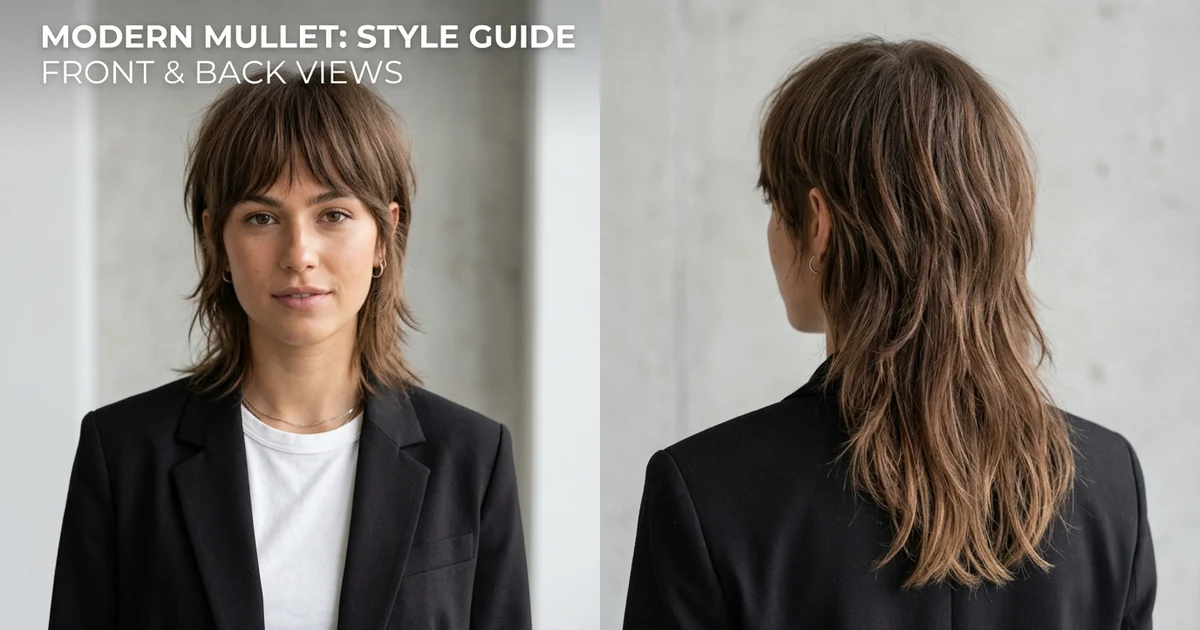
A mullet is a hairstyle that is typically shorter at the front and sides while being longer at the back. The style has been around for decades and has appeared in different forms across various cultures and periods. Today, the mullet can range from a classic retro look to modern, layered, textured, and fashion-forward versions.
The word mullet can also refer to a type of fish, so the meaning depends on context. When someone talks about hair, a mullet usually means the distinctive short-in-front, long-in-back hairstyle.
Introduction
If you have heard someone say mullet while talking about hair, fashion, or appearance, you may be wondering exactly what the term means.
A mullet is one of the most recognizable hairstyles because of its unusual contrast between the front and back. The hair is generally kept shorter around the front and sides, while the back is left noticeably longer.
The style has appeared in different forms throughout modern popular culture. It has been associated with musicians, athletes, actors, subcultures, and fashion trends. In recent years, the mullet has also returned in updated forms, with people combining it with fades, layers, curls, waves, and textured cuts.
However, mullet does not only refer to a hairstyle. It is also the common name for several types of fish. Therefore, context is important when determining what someone means.
What Does Mullet Mean?
When discussing hair, a mullet is a hairstyle that is shorter in the front and sides and longer in the back.
The traditional style creates a noticeable difference between the shorter sections around the face and the longer hair at the back of the head.
A simple way to describe it is:
Short in the front, shorter or tapered on the sides, and longer in the back.
Modern mullets do not always follow this exact formula. Some versions are subtle, while others create a dramatic contrast between the front, sides, and back.
What Does a Mullet Haircut Look Like?
A traditional mullet usually has three noticeable characteristics:
- Shorter hair toward the front
- Shorter or tapered sides
- Longer hair at the back
The length and shape can vary considerably.
A classic mullet may have a relatively full back, while a modern mullet may use a fade or taper on the sides. Some styles also include heavy layering or texture to create movement.
The result can range from a bold retro appearance to a more subtle contemporary haircut.
Types of Mullet Hairstyles
There are many variations of the mullet.
Classic Mullet
The classic mullet has relatively short hair at the front and sides with longer hair at the back. It has a strong retro appearance.
Modern Mullet
A modern mullet often combines the traditional shape with contemporary cutting techniques such as fades, tapers, layers, and textured finishes.
Short Mullet
A short mullet keeps the back longer than the front but does not allow the hair to grow extremely long.
This can make the style easier to maintain while still creating the recognizable mullet shape.
Curly Mullet
A curly mullet uses natural curls to create volume and texture. The longer back can make the curls especially noticeable.
Wavy Mullet
A wavy mullet works with naturally wavy hair and can create a relaxed, textured appearance.
Shaggy Mullet
A shaggy mullet uses layers and texture throughout the haircut. It can look softer and less structured than a traditional mullet.
Mullet Fade
A mullet fade combines the longer back with faded sides. The fade creates a cleaner transition between the short and long sections.
Mullet Meaning by Context
| Context | Meaning | Simple Explanation | Example |
|---|---|---|---|
| Hairstyle | Mullet haircut | Shorter front and sides with longer back | He got a mullet |
| Fashion | Mullet style | A modern version of the haircut | She likes the mullet trend |
| Hair salon | Mullet cut | A specific haircut request | I want a textured mullet |
| History | Mullet hairstyle | A hairstyle seen in different periods | The actor wore a classic mullet |
| Nature | Mullet fish | A type of fish | The fisherman caught a mullet |
Mullet Meaning in Hair and Fashion
In hair and fashion, mullet refers to the hairstyle rather than the fish.
The haircut became particularly recognizable through popular culture, where musicians, entertainers, athletes, and other public figures helped make different versions of the style visible.
Modern fashion has also introduced more customized versions. A person may choose a mullet with a fade, textured layers, curls, or a softer transition.
This flexibility is one reason the hairstyle continues to appear in changing forms.
Why Is the Mullet Popular?
The mullet has a distinctive appearance that allows people to make a noticeable style statement.
Some people choose it because they like its retro character, while others prefer modern variations that combine the traditional shape with contemporary hair trends.
Another reason for its popularity is versatility. The basic concept can be adapted to different hair lengths, textures, and personal styles.
A mullet can be:
- Short or long
- Subtle or dramatic
- Straight or curly
- Clean or shaggy
- Classic or modern
Mullet for Different Hair Types
Straight Hair
Straight hair can make the shape of a mullet easy to see. Layers can be used to create additional movement.
Curly Hair
Curly hair can give a mullet extra volume and texture. The longer back can emphasize the natural curl pattern.
Wavy Hair
Wavy hair works well with layered mullets because natural waves can create a relaxed appearance.
Thick Hair
People with thick hair may use layers or thinning techniques to reduce excessive weight and create a more controlled shape.
Fine Hair
A textured or layered cut can help create the appearance of movement and volume.
Is a Mullet Easy to Maintain?
Maintenance depends on the specific version of the haircut.
A short modern mullet with faded sides may require regular trips to a barber to keep the sides and fade clean.
A longer, more natural mullet may require less frequent trimming, although the shape still needs occasional maintenance.
Hair texture also affects styling. Straight hair, curls, and waves may each require different products or techniques.
Mullet vs. Shag
A mullet and a shag can look similar because both can use layers and texture.
The main distinction is often the shape and emphasis of the haircut.
A mullet typically creates a stronger contrast between the shorter front and sides and the longer back.
A shag generally uses layers throughout the hair with a more evenly distributed, messy, or feathered appearance.
Modern hairstyles can combine characteristics of both, making the distinction less strict.
Mullet vs. Wolf Cut
The wolf cut is another modern hairstyle that shares some characteristics with the mullet.
Both can feature:
- Layers
- Texture
- Volume
- A shorter-looking front
- A longer back
The wolf cut generally has a softer, more heavily layered appearance, while a mullet traditionally emphasizes the longer back.
However, modern versions can overlap significantly.
Mullet as a Fish
The word mullet also refers to fish belonging to the family Mugilidae.
This meaning is completely different from the hairstyle.
For example:
The fisherman caught a mullet.
In this sentence, mullet refers to a fish.
By contrast:
He got a new mullet haircut.
Here, the word refers to the hairstyle.
The surrounding words make the intended meaning clear.
Common Mistakes About the Mullet
One common mistake is thinking that every mullet has exactly the same shape. Modern mullets can vary considerably in length, texture, and styling.
Another mistake is assuming that a mullet must always have extremely long hair at the back. Shorter versions can still have the characteristic mullet structure.
It is also easy to confuse a modern mullet with a shag or wolf cut because contemporary hairstyles often combine elements from multiple styles.
Finally, remember that mullet can also mean a type of fish, so context matters.
How to Use Mullet in a Sentence
Here are some examples:
- He decided to get a modern mullet.
- Her curly mullet looks great.
- The barber gave him a faded mullet.
- The musician became known for his mullet hairstyle.
- The fisherman caught a mullet.
The first four examples refer to the hairstyle, while the final example refers to the fish.
Conclusion
A mullet is a hairstyle that is generally shorter at the front and sides and longer at the back. It has appeared in many forms over the years and continues to evolve through modern variations such as the fade mullet, curly mullet, shaggy mullet, and textured mullet.
The word can also refer to a type of fish, so context determines the intended meaning. When discussing hair or fashion, however, mullet almost always refers to the distinctive hairstyle.
FAQs
1. What is a mullet haircut?
A mullet is a hairstyle that is generally shorter at the front and sides and longer at the back.
2. Why is it called a mullet?
The term mullet is widely associated with the hairstyle, although the word also refers to several types of fish. The hairstyle’s exact naming history is debated, and the term became especially well known through popular culture.
3. Is a mullet still popular?
Yes. Modern versions of the mullet continue to appear in fashion and popular culture. Contemporary styles often include fades, layers, curls, and textured finishes.
4. What is a modern mullet?
A modern mullet is an updated version of the traditional haircut. It may include faded sides, layers, texture, or a more subtle difference between the front and back.
5. Is a mullet good for curly hair?
Yes. Curly hair can work well with a mullet because natural curls add volume and texture to the longer back and layered sections.
6. What is the difference between a mullet and a shag?
A mullet generally emphasizes a shorter front and sides with a longer back, while a shag usually distributes layers more evenly throughout the hairstyle.
7. Can a mullet be short?
Yes. A short mullet keeps the back longer than the front and sides without requiring a very long tail of hair.