Quick Answer
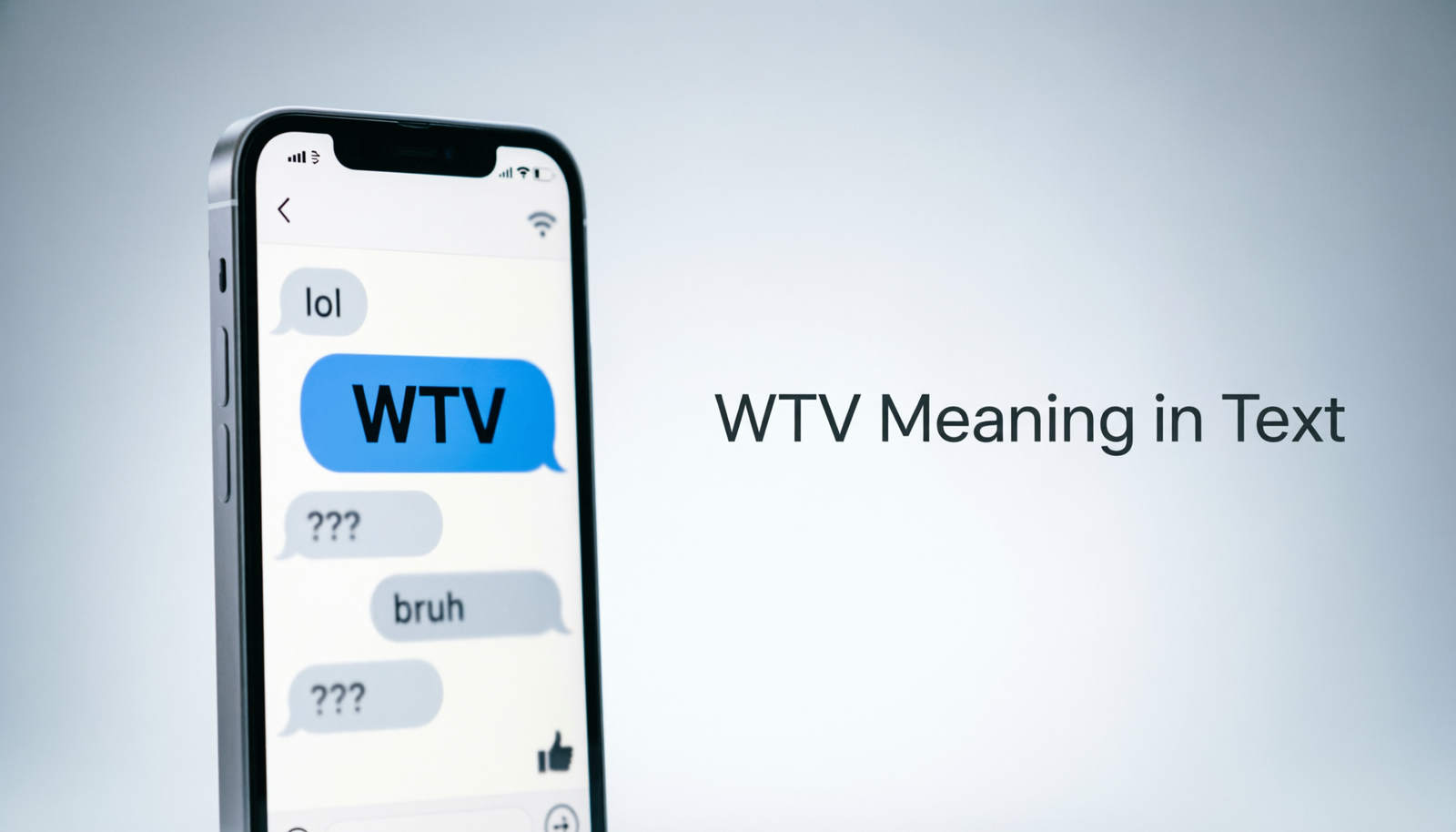
WTV means whatever in text messages, online chats, and social media posts. People use it to show that they do not mind, do not have a preference, or do not want to continue discussing something. Depending on the conversation, WTV can sound relaxed, dismissive, annoyed, sarcastic, or emotionally distant.
For example:
• WTV you want is fine means the person has no strong preference.
• WTV, I am done arguing sounds frustrated or dismissive.
• We can watch wtv tonight means any movie or show is acceptable.
The sender’s tone and the surrounding conversation determine whether WTV feels casual or rude.
Introduction
Short abbreviations appear everywhere in modern conversations. People use them to type faster, keep messages casual, and react without writing a complete sentence. WTV is one of those terms. You may see it in a private text, a group chat, a social media comment, a gaming conversation, or a direct message.
Most people searching for the WTV meaning in text want to know whether it simply means whatever or whether it carries an attitude. The basic definition is easy, but the tone can be harder to understand. A friend who writes wtv is fine may genuinely have no preference. Someone who replies WTV after an argument may be showing irritation, disappointment, or a desire to end the conversation.
This guide explains what WTV means, how people use it, what different replies may suggest, and when the abbreviation can sound disrespectful. You will also find realistic examples, similar slang terms, common mistakes, and simple ways to respond.
| Term | Meaning | Tone | Example |
|---|---|---|---|
| WTV | Whatever | Casual, indifferent, or annoyed | WTV works for me |
| IDC | I do not care | Direct and sometimes dismissive | IDC where we eat |
| IDK | I do not know | Neutral or uncertain | IDK what happened |
| NVM | Never mind | Casual or slightly frustrated | NVM, I figured it out |
| ANY | Anything or any option | Neutral and flexible | Pick any movie |
What Does WTV Mean in Text?
WTV is a shortened version of whatever. It usually communicates that a person has no strong preference, accepts any option, or does not think something deserves more discussion.
People remove some letters from common words when texting quickly. In WTV, the letters represent the most noticeable sounds in whatever. It works much like other shortened internet terms that users type instead of complete words or phrases.
The meaning can change slightly depending on how the abbreviation appears in a sentence.
A neutral use might be:
WTV time works best for you.
Here, the sender means any time is acceptable.
A more dismissive use might be:
WTV. Believe what you want.
In this example, the sender may feel irritated and no longer wants to explain their position.
WTV can also replace whatever when referring to an unknown or unrestricted choice:
Bring wtv you need.
This means the person can bring anything they need.
Capitalization usually does not change the definition. WTV, wtv, and Wtv generally mean the same thing. However, writing the term in capital letters may sometimes make the message feel stronger or more emotional.
Different Meanings of WTV by Context
Although WTV almost always stands for whatever, the emotional message behind it depends on the situation.
| Situation | What It Means | Likely Tone | Simple Example |
|---|---|---|---|
| Making plans | Any option is acceptable | Flexible | We can eat wtv |
| Answering a question | The sender has no preference | Neutral | WTV color you like |
| Ending an argument | The sender wants to stop talking | Annoyed | WTV, I am done |
| Reacting to criticism | The sender does not accept the comment | Defensive | WTV you say |
| Casual conversation | The exact detail is not important | Relaxed | Bring snacks or wtv |
| Giving permission | The other person may choose freely | Easygoing | Choose wtv you want |
WTV as a Flexible Answer
In many conversations, WTV simply means the person is open to any choice.
Example:
Friend: What should we order?
You: WTV you want. I am not picky.
This reply is usually harmless. It tells the other person that they can decide.
WTV as an Annoyed Reply
A short reply containing only WTV may sound irritated, especially during a disagreement.
Example:
Person 1: You never listen to what I say.
Person 2: WTV.
The second person may be trying to dismiss the complaint instead of addressing it. The reply can feel cold because it gives no explanation or reassurance.
WTV as Whatever Else
People sometimes add wtv to the end of a sentence when they do not want to list every possible option.
Example:
We can play games, watch a movie, or wtv.
In this sentence, wtv means anything else like that. The tone is casual rather than negative.
How People Use WTV in Texting and Social Media
WTV appears most often in informal communication. It is common among friends, classmates, siblings, online communities, and people who regularly use texting slang.
Making Casual Plans
WTV can show flexibility when choosing food, activities, locations, or times.
Examples:
• We can meet wtv time you finish work.
• Pick wtv restaurant looks good.
• I am free tonight, so we can do wtv.
• Wear wtv makes you comfortable.
These examples usually sound relaxed. The sender is giving the other person freedom to choose.
Showing Indifference
Someone may use WTV to communicate that an issue does not matter much to them.
Examples:
• WTV happens, happens.
• You can choose wtv.
• Call it wtv you want.
• WTV, it is not a big deal.
This use may be calm, but it can also sound emotionally detached.
Ending a Conversation
WTV sometimes acts as a conversation stopper.
Examples:
• WTV, I do not want to talk about it anymore.
• Fine, wtv.
• WTV you think.
• WTV, just forget it.
These replies often suggest frustration. The sender may feel misunderstood, tired, or unwilling to continue.
Adding a Casual Ending
People may use wtv after examples to mean anything similar.
Examples:
• Bring chips, cookies, or wtv.
• We could go shopping, get coffee, or wtv.
• Send a photo, video, or wtv you have.
This meaning resembles phrases such as anything else or something like that.
WTV Meaning From a Girl or Guy
WTV does not have a special meaning based on whether it comes from a girl or a guy. It still means whatever. The relationship, conversation, punctuation, and previous messages matter more than the sender’s gender.
For example, if someone replies WTV after you ask where they want to eat, they may simply have no preference.
If they reply WTV after you apologize or explain something serious, they may still feel upset. The abbreviation could show that they do not want to discuss the issue at that moment.
Look at the full conversation instead of trying to interpret the word alone. Consider whether the sender usually writes short messages, whether you were arguing, and whether the reply includes other clues.
Compare these examples:
WTV works for you 😊
This sounds friendly and flexible.
WTV.
This can sound cold because it is brief and ends with a period.
WTV I guess
This may suggest hesitation, disappointment, or reluctant agreement.
Examples of WTV in Conversations
The following examples show how the same abbreviation can communicate different moods.
Neutral Example
Person 1: Do you want pizza or burgers?
Person 2: WTV is easier for everyone.
Meaning: The person accepts either choice.
Friendly Example
Person 1: What should I bring to the party?
Person 2: WTV you like. We already have plenty of food.
Meaning: The person can choose freely.
Annoyed Example
Person 1: I still think you are wrong.
Person 2: WTV, I am not arguing anymore.
Meaning: The sender wants to end the disagreement.
Sarcastic Example
Person 1: I was only three hours late.
Person 2: WTV, totally not a problem.
Meaning: The sender probably does think it was a problem. The wording sounds sarcastic.
Indifferent Example
Person 1: They changed the meeting room again.
Person 2: WTV, as long as they tell us where to go.
Meaning: The detail does not matter much to the sender.
Informal List Example
Person 1: What do you want to do tonight?
Person 2: Watch a movie, play games, or wtv.
Meaning: The sender is open to other similar activities.
Is WTV Rude?
WTV is not automatically rude. Its tone depends on how and when someone uses it.
It usually sounds harmless when it communicates flexibility:
We can meet wtv time is convenient.
It can sound rude when it dismisses another person’s feelings or opinion:
Person 1: That comment really hurt me.
Person 2: WTV.
The second example may feel disrespectful because the reply ignores the emotional concern.
Punctuation can also influence how the message feels. A single WTV followed by a period may seem colder than a complete sentence such as WTV works best for you is fine with me.
When the topic is serious, write the full word or explain what you mean. A clear sentence can prevent unnecessary misunderstanding.
How to Respond When Someone Says WTV
Your response should match the context.
If the person has no preference, make a choice and confirm it:
Okay, let us get pizza then.
If the reply seems annoyed, check their mood without becoming confrontational:
You seem frustrated. Do you want to talk about it later?
If WTV feels dismissive during an important conversation, ask for clarity:
I am not sure how to read that. Are you upset, or do you genuinely not mind?
If the conversation does not matter, you may simply continue without analyzing the abbreviation too deeply.
WTV Compared With Similar Text Slang
Several texting terms can look similar in meaning, but they communicate different ideas.
WTV vs IDC
1-WTV means whatever, while IDC means I do not care.
2-WTV can sound flexible:
3-WTV restaurant you choose is fine.
IDC is more direct:
IDC where we eat.
Both can sound dismissive, but IDC usually expresses indifference more strongly.
WTV vs IDK
IDK means I do not know. It expresses uncertainty rather than a lack of preference.
IDK which movie is playing means the sender lacks information.
WTV movie you choose means the sender accepts any choice.
WTV vs NVM
NVM means never mind. People use it when something no longer needs attention or when they decide not to continue explaining it.
NVM, I found the answer.
WTV, choose the one you like.
The first withdraws a question or request. The second allows any choice.
WTV vs Meh
Meh expresses low enthusiasm, boredom, or mild disappointment.
The movie was meh.
WTV movie is fine.
Meh evaluates something negatively. WTV usually shows flexibility or indifference.
When You Should Avoid Using WTV
WTV works best in casual conversations. It may not suit situations that require clarity, politeness, or emotional sensitivity.
Avoid it in:
• Formal workplace emails
• Job applications
• Messages to customers or clients
• School assignments
• Serious relationship conversations
• Apologies
• Discussions about someone’s feelings
• Situations where your choice matters
For example, replying WTV to a manager asking when you can complete a project may sound careless. A better response would be:
Either Tuesday or Wednesday works for me. Please choose the date that suits the team.
Clear language shows professionalism and prevents confusion.
Common Mistakes With WTV
Assuming It Is Always Rude
WTV often means the sender has no preference. Do not assume anger without considering the full message and situation.
Assuming It Is Always Friendly
A one word WTV response during an argument may communicate frustration or dismissal. Context matters.
Using It in Formal Writing
WTV is informal internet slang. Write whatever or use a complete sentence in professional and academic communication.
Confusing WTV With WTF
WTV means whatever. WTF is a vulgar expression used to show shock, confusion, or anger. The two abbreviations are not interchangeable.
Reading Too Much Into Capital Letters
WTV in capital letters may look stronger, but some people capitalize all abbreviations out of habit. Consider their normal texting style before judging the tone.
Replying With WTV to a Serious Message
A very short response can make the other person feel ignored. When someone shares something important, respond with enough detail to show that you understand.
Conclusion
The WTV meaning in text is usually whatever. People use it when they accept any option, do not care strongly about a detail, or want to stop discussing something. The abbreviation can sound friendly, neutral, sarcastic, or rude depending on the context.
Pay attention to the full conversation, punctuation, and the sender’s usual texting habits. In casual chats, WTV is common and convenient. In formal or emotionally important conversations, a complete and thoughtful response is usually the better choice.
Frequently Asked Questions
What does WTV mean in texting?
WTV means whatever. It can show flexibility, indifference, annoyance, or a desire to end a conversation.
What does WTV mean on Snapchat?
On Snapchat, WTV usually means whatever. People may use it in chats, captions, or replies when they have no preference or do not want to continue discussing something.
What does WTV mean on TikTok?
On TikTok, WTV normally means whatever. It may appear in comments, captions, and direct messages to express indifference or refer to any possible option.
Is WTV a rude response?
It can be rude when it dismisses a serious question or someone’s feelings. In casual planning, it often means the sender accepts any option.
Does WTV mean I do not care?
Sometimes. WTV can communicate indifference, but it may also mean that any choice is acceptable. IDC expresses I do not care more directly.
What is the difference between WTV and whatever?
There is no major difference in meaning. WTV is simply an informal shortened spelling used in texts and online conversations.
Can WTV mean something other than whatever?
In everyday texting and social media use, WTV almost always means whatever. Specialized groups may create other meanings, but these are much less common.
How should I reply to WTV?
Make a decision if the person has no preference. If the message sounds upset or dismissive, politely ask whether something is wrong.