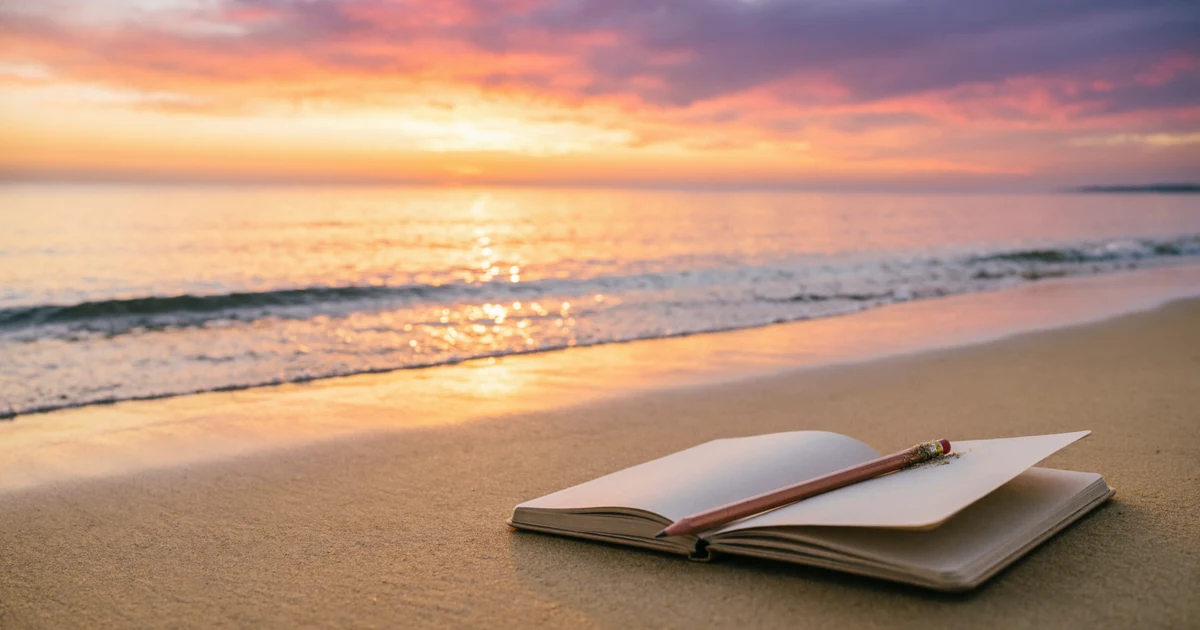
A sunset can turn an ordinary evening into a scene full of color, warmth, silence, and feeling. Writers love sunsets because they can show beauty, peace, hope, sadness, romance, or the end of a long day without saying everything directly.
A good sunset simile helps readers see the sky more clearly. It compares the sunset to something familiar, such as fire, gold, paint, roses, honey, or a soft blanket. This makes the description stronger and easier to picture.
In this guide, you will learn what a sunset simile means, how to use one, and how to create your own. You will also find many sunset simile examples for poems, stories, school writing, nature descriptions, beach scenes, and mountain scenes.
What a Sunset Simile Means
A sunset simile compares a sunset to something else by using like or as. The comparison helps the reader imagine the colors, light, mood, or feeling of the evening sky.
A simple sunset simile looks like this:
The sunset glowed like a golden lantern.
This sentence compares the sunset to a lantern. The reader can picture soft golden light spreading across the sky.
Another example:
The sunset looked as red as a rose.
This sentence compares the color of the sunset to a rose. It gives the reader a clear image of rich red color.
A sunset simile can describe many things:
- Color
- Warmth
- Peace
- Beauty
- Sadness
- Romance
- The end of a day
- A quiet natural scene
A strong simile does more than decorate a sentence. It gives the reader a clear picture and a feeling at the same time.
Simple Sunset Simile Definition for Students
A sunset simile describes a sunset by comparing it to something else using like or as.
Here is a student friendly definition:
A sunset simile compares the evening sky to another thing so readers can imagine its color, light, or mood.
Examples:
The sunset was like orange paint across the sky.
The sunset was as bright as fire.
The sunset faded like a soft dream.
These examples help students understand that a simile does not say the sunset actually becomes paint, fire, or a dream. It only says the sunset looks or feels similar to those things.
Students can use sunset similes in:
- Descriptive paragraphs
- Poems
- Short stories
- Journal writing
- Nature writing
- Creative writing homework
A sunset simile works best when the comparison makes sense. For example, a sunset can look like fire because it has orange and red colors. A sunset can look like honey because it can glow with a golden tone.
Why Writers Use Similes to Describe Sunsets
Writers use sunset similes because sunsets create strong images and emotions. A plain sentence can tell the reader what happens, but a simile helps the reader feel the moment.
Plain sentence:
The sunset was orange.
Stronger sentence:
The sunset spread across the sky like warm orange paint.
The second sentence gives the reader a clearer picture. It shows movement, color, and softness.
Writers use sunset similes to:
- Make scenery more vivid
- Create a peaceful mood
- Add beauty to poems
- Show emotion without explaining too much
- Help readers picture a place
- Make a story scene feel more alive
A sunset often appears near the end of a scene. Writers may use it to show change, rest, goodbye, reflection, or romance. For example, a character may watch the sunset after a hard day. A simile can show that moment with feeling.
Example:
The sunset sank like a tired heart into the quiet sea.
This simile does not only describe the sky. It also suggests sadness and emotional weight.
Best Sunset Simile Examples With Clear Meanings
Here are some strong sunset simile examples with simple meanings.
The sunset glowed like molten gold.
Meaning: The sunset looked rich, bright, and golden.
The sunset burned like a quiet fire.
Meaning: The sky had deep red and orange colors.
The sunset spread like watercolor across the clouds.
Meaning: The colors looked soft and blended.
The sunset faded like a whisper.
Meaning: The light disappeared gently and quietly.
The sunset blushed like a shy face.
Meaning: The sky had soft pink or red color.
The sunset rested on the horizon like a golden coin.
Meaning: The sun looked round, bright, and golden near the edge of the sky.
The sunset poured over the fields like honey.
Meaning: Warm golden light covered the land.
The sunset hung like a lantern above the sea.
Meaning: The sun gave off soft light near the water.
The sunset melted like butter over the hills.
Meaning: The golden light looked smooth and warm.
The sunset shone like a final smile from the day.
Meaning: The sunset felt gentle, warm, and comforting.
These examples work well because each one gives a clear image. The reader can see the color, shape, light, or mood.
Easy Sunset Similes for Beginners
Beginners should start with simple, clear comparisons. A good beginner simile uses familiar things that most readers know.
Easy sunset similes:
The sunset was like fire in the sky.
The sunset was as orange as a pumpkin.
The sunset glowed like a candle.
The sunset looked like a painting.
The sunset was as pink as cotton candy.
The sunset shone like gold.
The sunset faded like a dream.
The sunset looked like a bright orange ball.
The sunset spread like paint across the clouds.
The sunset was as warm as a blanket.
These examples suit young students because they use simple words and familiar images.
To write an easy sunset simile, follow this pattern:
The sunset was like something colorful.
Example:
The sunset was like a bowl of orange and pink paint.
Or use this pattern:
The sunset was as color as something.
Example:
The sunset was as red as an apple.
Simple comparisons can still sound beautiful when the image feels clear.
Sunset Simile Examples Using Like
Similes with like often sound natural in stories and poems. They compare the sunset to another object, scene, or feeling.
Examples using like:
The sunset glowed like a lantern in the evening sky.
The sunset spread like spilled paint across the clouds.
The sunset burned like a campfire at the edge of the world.
The sunset faded like a song ending softly.
The sunset floated like a golden balloon above the hills.
The sunset melted like honey over the rooftops.
The sunset shimmered like a jewel on the sea.
The sunset blushed like a rose in bloom.
The sunset slipped away like a secret.
The sunset opened like a flower of fire.
Use like when you want the comparison to feel smooth and flexible. It works well with action words such as glowed, spread, burned, faded, melted, shimmered, and slipped.
Strong example in a sentence:
The sunset melted like honey over the quiet fields, turning every blade of grass gold.
This sentence gives the reader color, movement, and setting in one clear image.
Sunset Simile Examples Using As
Similes with as often create direct comparisons. They work well when you want to describe color, brightness, softness, or warmth.
Examples using as:
The sunset was as red as a ripe cherry.
The sunset was as orange as a glowing ember.
The sunset was as golden as fresh honey.
The sky looked as pink as a rose petal.
The evening light felt as soft as silk.
The sunset was as bright as a flame.
The clouds turned as purple as grapes.
The horizon glowed as warm as a candle.
The sun looked as round as a coin.
The sunset felt as calm as a sleeping lake.
Use as when you want a clean and simple comparison. Many student writers prefer this structure because it feels easy to control.
Good sentence example:
The sunset was as golden as honey, and the whole garden seemed to glow.
This simile works because honey has a warm golden color, so the comparison feels natural.
Beautiful Sunset Similes for Descriptive Writing
Descriptive writing needs detail that appeals to the senses. A beautiful sunset simile should help the reader see the sky and feel the mood.
Examples:
The sunset spread across the sky like silk dyed in gold and rose.
The sunset glowed like a crown of fire above the dark trees.
The sunset poured over the sea like liquid amber.
The evening sky looked like a canvas brushed with peach, violet, and gold.
The sunset rested on the hills like a warm hand on tired shoulders.
The sunset shimmered like a dream caught in glass.
The clouds burned like soft coals in the fading light.
The sunset fell over the town like a golden curtain.
Descriptive writing grows stronger when you add setting. Instead of writing only about the sky, connect the sunset to the place.
Simple version:
The sunset looked like gold.
Better version:
The sunset poured over the empty road like gold, lighting the dust and windows.
This version helps readers picture the whole scene, not just the sky.
Sunset Similes That Show Color
Sunsets often attract attention because of their colors. You can compare sunset colors to flowers, fruit, fire, gems, paint, and fabric.
Color based sunset similes:
The sunset was as red as a rose.
The sky turned as orange as a ripe peach.
The clouds glowed like pink cotton candy.
The horizon shone like melted gold.
The sunset looked like purple ink spreading through water.
The evening sky burned like red glass.
The sunset bloomed like a garden of fire.
The clouds blushed like cheeks in cold air.
The sun glowed like an apricot in the sky.
The sky looked like a painter had spilled warm colors across it.
For color descriptions, choose comparisons that match the exact shade.
For red, use:
- Rose
- Cherry
- Flame
- Ruby
For orange, use:
- Peach
- Pumpkin
- Ember
- Marigold
For gold, use:
- Honey
- Coin
- Candlelight
- Amber
For purple, use:
- Grape
- Lavender
- Violet
- Ink
Specific color choices make the simile feel more accurate and original.
Sunset Similes That Show Warmth
A sunset can make a scene feel warm even when the air grows cool. Warmth based similes often use fire, blankets, honey, tea, candles, and glowing coals.
Examples:
The sunset warmed the sky like a cup of tea in gentle hands.
The sunset glowed like a candle in a quiet room.
The evening light wrapped the town like a soft blanket.
The sunset burned like embers after a campfire.
The golden light spread like warm honey over the fields.
The horizon shone like a fireplace on a cold night.
The sunset felt as warm as a hug after a long day.
The sky glowed like a lantern on a winter porch.
Warm similes work well in comforting scenes. You can use them when a character feels safe, calm, or hopeful.
Example:
After the long walk home, the sunset wrapped the street like a warm blanket.
This sentence connects the sunset to comfort and relief.
Sunset Similes That Show Peace
Many people connect sunsets with quiet moments. Peaceful sunset similes often use soft sounds, calm water, sleeping animals, gentle fabric, or slow music.
Examples:
The sunset faded like a lullaby.
The sky softened like silk in the evening air.
The sunset rested like a sleeping cat on the horizon.
The light spread across the lake like a quiet prayer.
The sunset drifted away like a soft breath.
The evening sky calmed like still water.
The sunset settled over the village like silence.
The fading light moved like slow music.
Peaceful similes should avoid harsh images. Fire can work for color, but it may feel too intense for a calm scene. Choose gentle comparisons when you want peace.
Good peaceful sentence:
The sunset faded like a lullaby, and the lake held the last light without a ripple.
This sentence creates a quiet mood and fits a calm setting.
Sunset Similes That Show Sadness
A sunset can also show sadness, loss, goodbye, or the end of something important. Writers often use sunset at the end of emotional scenes because the fading light naturally suggests change.
Examples:
The sunset sank like a tired heart.
The light faded like a memory losing its shape.
The sunset slipped away like a goodbye no one wanted to say.
The sky dimmed like hope after bad news.
The sun fell like a tear behind the hills.
The sunset faded like an old photograph.
The evening light disappeared like a promise that could not stay.
The red sky hung like a bruise above the horizon.
Sad similes need care. A strong image can create emotion without sounding too dramatic.
Simple sentence:
The sunset faded like a memory.
Stronger sentence:
The sunset faded like a memory she tried to hold, soft at first, then gone.
This version gives the simile a human feeling and makes the sadness clearer.
Sunset Similes That Show Romance
Sunsets often appear in romantic scenes because they create warmth, beauty, and closeness. Romantic sunset similes often use roses, silk, candles, music, gold, and blushes.
Examples:
The sunset blushed like a rose at the edge of the sea.
The sky glowed like candlelight around them.
The sunset wrapped the beach like silk.
The evening light touched her face like a gentle kiss.
The sunset shimmered like gold in their joined hands.
The clouds turned pink like love letters folded in the sky.
The sun sank like a slow dance behind the waves.
The sunset opened like a rose above the horizon.
Romantic similes should feel soft and natural. Avoid comparisons that sound forced or overly sweet.
Good romantic sentence:
The sunset blushed like a rose, and the sea carried its color toward their feet.
This sentence gives romance through color and setting rather than heavy explanation.
Sunset Similes for Poems
Poems often need short, vivid lines. A sunset simile in a poem can create mood quickly. It can also help the poem sound musical.
Poetic sunset similes:
The sunset falls like gold dust.
The sky burns like a silent song.
The sun sinks like a red pearl.
Evening opens like a purple flower.
The clouds glow like lanterns.
The day fades like a whispered name.
The horizon shines like a thin line of fire.
The sunset melts like sugar in tea.
A sunset poem can focus on one feeling. For peace, use soft images. For sadness, use fading images. For beauty, use color and light.
Example poem lines:
The sunset falls like gold dust
Across the sleeping bay
The waves hold every color
Before the dark takes day
These lines use a clear simile and build a quiet evening picture.
Sunset Similes for Stories and Creative Writing
In stories, a sunset simile should do more than describe the sky. It should support the scene, character, or mood.
For a peaceful ending:
The sunset settled over the town like a soft blanket, and Mara finally stopped worrying.
For a sad goodbye:
The sun slipped behind the hills like a friend leaving without turning back.
For an adventure scene:
The sunset burned like a warning over the desert.
For a romantic moment:
The sunset glowed like candlelight around them as they walked along the pier.
For a mystery scene:
The red sunset spread like spilled ink behind the old house.
Match the simile to the story mood. A cheerful scene needs a warm or bright comparison. A scary scene needs sharper colors and darker images. A sad scene needs fading light and gentle loss.
A sunset can also mark time in a story. It can show that a journey has ended, night has begun, or a character has reached a turning point.
Sunset Similes for Nature Descriptions
Nature writing often uses sunset to show how light changes the land, water, trees, clouds, and animals. A strong nature simile connects the sky to the natural world below it.
Examples:
The sunset spilled over the meadow like golden rain.
The clouds glowed like petals in a burning garden.
The sun rested on the trees like a bright orange fruit.
The sunset flowed across the river like liquid copper.
The evening sky opened like a flower above the forest.
The last light clung to the leaves like drops of honey.
The sunset colored the hills like autumn leaves.
The sky shimmered like a pond full of fireflies.
Nature descriptions work best when you use real details from the scene. Mention the river, trees, birds, grass, flowers, sand, stones, or clouds.
Better sentence:
The sunset flowed across the river like liquid copper, and the reeds turned dark along the bank.
This sentence gives the reader a full outdoor image.
Sunset Similes for Beach Scenes
Beach sunsets create strong images because the water reflects the sky. Writers can compare beach sunsets to gold, glass, fire, pearls, shells, and glowing paths.
Examples:
The sunset shimmered on the ocean like broken gold.
The sun sank into the sea like a glowing coin.
The sky blushed like a pink shell.
The sunset spread across the waves like fire on glass.
The horizon glowed like a line of molten copper.
The sea held the sunset like a mirror.
The sun floated like an orange pearl above the water.
The evening light washed over the sand like warm honey.
A beach sunset often feels peaceful, romantic, or reflective. You can add sensory details such as waves, salt air, gulls, wet sand, and cool breeze.
Example:
The sunset shimmered on the ocean like broken gold while the waves curled softly around their feet.
This sentence creates a clear beach mood and gives the simile a natural place in the scene.
Sunset Similes for Mountain Scenes
Mountain sunsets feel grand and dramatic. The sky can look wide, deep, and powerful. Good mountain sunset similes often use fire, crowns, blankets, shadows, jewels, and glowing edges.
Examples:
The sunset crowned the mountains like fire.
The peaks glowed like gold teeth against the dark sky.
The evening light draped over the slopes like a purple blanket.
The sun slipped behind the ridge like a coin into a pocket.
The clouds burned like embers above the peaks.
The sunset painted the mountains like bronze statues.
The sky opened like a furnace behind the cliffs.
The last light clung to the snow like pink glass.
Mountain scenes often need scale. Let the reader feel the height, silence, and distance.
Example:
The sunset crowned the mountains like fire, and the valley below turned quiet and blue.
This sentence creates contrast between bright peaks and shadowed valley.
Common Mistakes When Writing Sunset Similes
Many writers enjoy sunset descriptions, but a few common mistakes can weaken the writing.
One common mistake involves using a comparison that feels too general.
Weak example:
The sunset was like something pretty.
Better example:
The sunset was like rose colored silk stretched across the sky.
Another mistake involves choosing a comparison that does not match the scene.
Weak example:
The peaceful sunset exploded like a bomb.
This sounds confusing because a bomb does not match peace. A better peaceful simile would sound softer.
Better example:
The peaceful sunset faded like a lullaby.
Writers also repeat common comparisons too often. Fire, gold, and paint work well, but too many of them can make the writing feel flat. Add fresh details when possible.
Common mistakes to avoid:
- Using vague words such as nice or pretty
- Mixing a calm mood with a violent image
- Adding too many similes in one paragraph
- Choosing comparisons that readers cannot picture
- Repeating the same color words again and again
- Forgetting the setting around the sunset
A good sunset simile should feel clear, natural, and connected to the scene.
How to Write Your Own Sunset Simile
You can write your own sunset simile by starting with what you notice first. Look at the sunset and ask yourself what stands out.
Think about:
- Color
- Shape
- Light
- Movement
- Mood
- Setting
Then choose a comparison that matches that detail.
Use this simple pattern:
The sunset looked like something.
Example:
The sunset looked like orange paint poured across the sky.
Or use this pattern:
The sunset was as quality as something.
Example:
The sunset was as golden as honey.
Here is a simple method:
- Choose the sunset detail
- Pick a matching object or feeling
- Add like or as
- Place the simile inside a real sentence
- Add setting if the sentence needs more life
Practice examples:
Detail: Red color
Simile: The sunset was as red as a ruby.
Detail: Soft fading light
Simile: The sunset faded like a whisper.
Detail: Warm golden glow
Simile: The sunset poured over the field like honey.
Detail: Sad mood
Simile: The sunset sank like a lonely heart.
Detail: Peaceful evening
Simile: The sunset settled like silence over the lake.
The best sunset simile comes from close observation. Choose a comparison that feels honest, clear, and easy to imagine.
Conclusion
A sunset simile helps writers turn evening light into a clear picture and a real feeling. It can show color, warmth, peace, sadness, romance, beauty, or change. The key lies in choosing a comparison that matches the scene.
Use like when you want a smooth comparison, such as The sunset faded like a dream. Use as when you want a direct comparison, such as The sunset was as golden as honey.
Strong sunset similes do not need fancy words. They need clear images, natural feeling, and a purpose in the sentence. When you match the simile to the mood, your sunset description becomes more vivid, memorable, and meaningful.
FAQs
What is a sunset simile?
A sunset simile compares a sunset to something else using like or as. It helps readers picture the evening sky more clearly.
What is a good simile for sunset?
A good simile for sunset is The sunset glowed like molten gold. It shows rich golden color and bright evening light.
What is an easy sunset simile for students?
An easy sunset simile is The sunset was as orange as a pumpkin. It uses simple words and a familiar image.
How do you describe a sunset using like?
You can write, The sunset spread like paint across the sky. This shows color and movement.
How do you describe a sunset using as?
You can write, The sunset was as red as a rose. This gives a clear color comparison.
What is a romantic sunset simile?
A romantic sunset simile is The sunset blushed like a rose above the sea. It creates a soft and loving mood.
What is a peaceful sunset simile?
A peaceful sunset simile is The sunset faded like a lullaby. It gives the scene a calm and gentle feeling.
What is a sad sunset simile?
A sad sunset simile is The sunset sank like a tired heart. It connects the fading sun with emotional heaviness.
Can I use sunset similes in poems?
Yes, sunset similes work well in poems because they create strong images in a few words. For example, The sun sinks like a red pearl.
How can I make my sunset simile better?
Choose a clear detail first, such as color, warmth, or mood. Then compare it to something familiar that matches the scene.