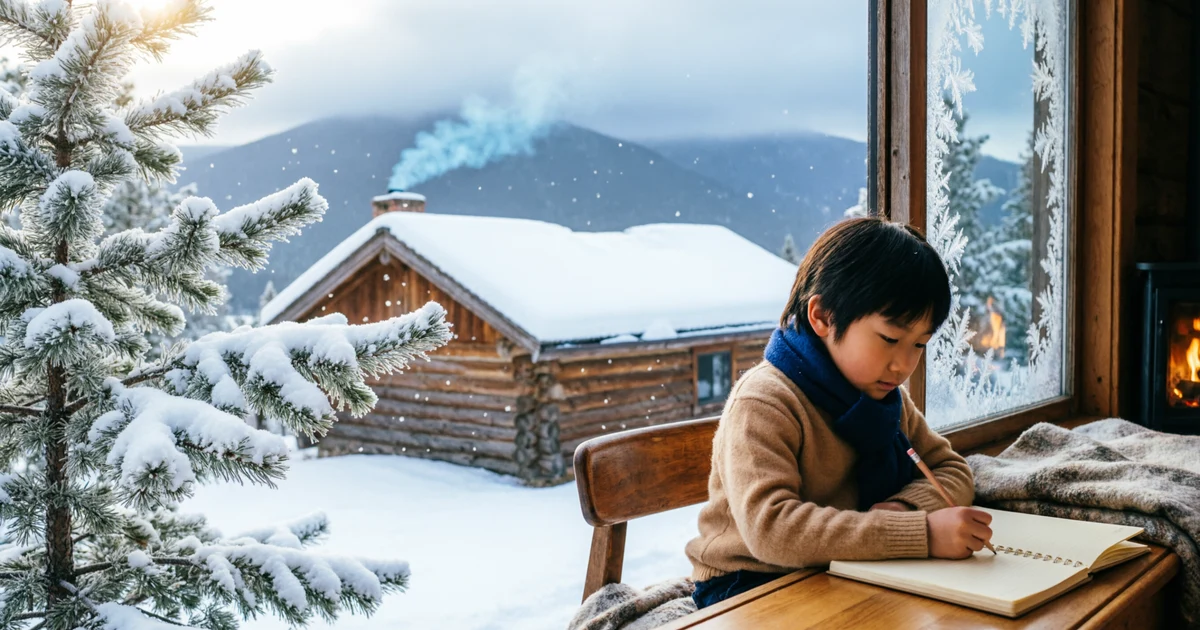
Snow can make a scene feel peaceful, cold, magical, lonely, bright, or playful. A good snow simile helps readers see and feel that scene more clearly. Instead of only saying, “The snow fell,” you can say, “The snow fell like feathers from the sky.” That small comparison gives the sentence life.
In this guide, you will learn what a snow simile means, why writers use snow similes, and how to write your own. You will also find many snow simile examples for students, poems, stories, winter scenes, and creative writing.
What a Snow Simile Means
A snow simile compares snow to something else using the words like or as. Writers use this comparison to help readers understand how the snow looks, feels, moves, sounds, or changes a scene.
A snow simile can describe many things, such as:
- The color of snow
- The softness of snow
- The cold feeling of snow
- The way snow falls
- The silence snow creates
- The beauty of a winter scene
Example:
The snow covered the field like a white blanket.
This simile compares snow to a blanket because both can cover something fully and gently. The sentence helps the reader picture a smooth white field.
Another example:
The snow sparkled like tiny diamonds in the sun.
This simile compares snow to diamonds because snow can shine brightly when sunlight touches it.
A snow simile works best when the comparison matches the exact detail you want to show.
Why Writers Use Similes to Describe Snow
Writers use snow similes because snow can create many moods. One snowy scene can feel calm and beautiful. Another can feel cold and dangerous. A simile helps the writer guide the reader toward the right feeling.
For example:
The snow fell like whispers in the night.
This simile creates a quiet and gentle mood.
Now compare it with this one:
The snow hit the windows like handfuls of ice.
This simile creates a harsher mood. It makes the storm feel strong and unfriendly.
Snow similes also help writers avoid plain descriptions. A sentence like “The snow was white” gives basic information. A sentence like “The snow was as white as fresh milk” creates a clearer image.
Writers use snow similes to:
- Build vivid pictures
- Create mood
- Show weather conditions
- Add beauty to poems
- Make stories feel more real
- Help students practice descriptive writing
A strong simile does more than compare two things. It adds emotion and detail.
Simple Snow Simile Definition for Students
A snow simile is a sentence that compares snow to another thing using like or as.
Simple definition:
A snow simile describes snow by comparing it to something else.
Easy example:
The snow was as soft as cotton.
This sentence compares snow to cotton. It tells us that the snow felt soft.
Another easy example:
Snow fell like tiny white butterflies.
This sentence compares falling snow to butterflies. It helps us imagine snow moving gently through the air.
Students can remember this simple rule:
A simile uses like or as to compare two different things.
Here are two simple snow similes:
- The snow was as white as sugar.
- The snow floated like feathers.
Both examples use a clear comparison. Both help the reader imagine snow better.
Best Snow Simile Examples With Clear Meanings
Here are some strong snow simile examples with simple meanings.
The snow lay on the ground like a clean white sheet.
Meaning: The snow covered the ground smoothly and neatly.
The snowflakes danced like tiny fairies in the air.
Meaning: The snowflakes moved lightly and gracefully.
The snow was as cold as ice water.
Meaning: The snow felt extremely cold.
The snow sparkled like stars under the morning sun.
Meaning: The snow shone brightly.
The snow fell like soft feathers from a pillow.
Meaning: The snow came down gently.
The snow covered the trees like frosting on a cake.
Meaning: The snow made the trees look white and decorative.
The snow crunched under my boots like broken crackers.
Meaning: The snow made a crisp sound when someone walked on it.
The snow spread across the road like spilled flour.
Meaning: The snow looked powdery and white.
The snowstorm roared like a wild animal outside the house.
Meaning: The storm sounded strong and scary.
The snow glowed like moonlight on the hill.
Meaning: The snow looked soft, pale, and bright at night.
These examples show how snow similes can describe sight, sound, touch, movement, and mood.
Easy Snow Similes for Beginners
Beginners should start with simple comparisons. Choose things that people know well, such as cotton, sugar, milk, paper, feathers, stars, or blankets.
Easy snow similes include:
- Snow is as white as paper.
- Snow is as soft as cotton.
- Snow falls like feathers.
- Snow shines like glitter.
- Snow covers the ground like a blanket.
- Snowflakes float like butterflies.
- Snow feels as cold as ice.
- Snow piles up like whipped cream.
- Snow sparkles like diamonds.
- Snow lies on the roof like frosting.
These examples work well for young students because they use familiar objects.
A beginner can write a snow simile by asking one clear question:
What does the snow remind me of?
1-If snow looks bright, compare it to stars or diamonds.
2-If snow feels soft, compare it to cotton or feathers.
3-If snow covers the land, compare it to a blanket or sheet.
Good similes start with simple observation.
Snow Simile Examples Using Like
A simile with like compares snow to another thing in a direct and natural way. Many writers use like because it sounds smooth in sentences.
Examples:
- The snow fell like white confetti.
- The snow drifted like smoke across the road.
- Snow covered the garden like a soft blanket.
- The snowflakes floated like tiny feathers.
- The snow sparkled like glass in the sunlight.
- The snow blew across the street like dust.
- The snow clung to the branches like lace.
- The snow piled against the door like a frozen wall.
- The snow glowed like silver under the moon.
- The snow melted like sugar on my warm glove.
Similes with like often work best when you describe action or movement.
For example:
The snow fell like feathers.
This sounds natural because snow and feathers both move gently through the air.
Another example:
The snow rushed past the window like a river of white dust.
This works well for a windy snowstorm because the comparison shows speed and movement.
Snow Simile Examples Using As
A simile with as often describes a quality. Writers use it to describe color, temperature, texture, size, or feeling.
Examples:
- The snow was as white as milk.
- The snow was as soft as cotton.
- The snow was as cold as metal.
- The snow was as smooth as silk.
- The snow was as bright as morning light.
- The snow was as quiet as a sleeping child.
- The snow was as clean as fresh paper.
- The snow was as light as powder.
- The snow was as thick as a winter quilt.
- The snow was as pale as the moon.
Similes with as work well when you want a clear and simple description.
Example:
The snow was as soft as cotton.
This sentence tells the reader how the snow feels.
Example:
The snow was as quiet as a prayer.
This sentence creates a peaceful mood. It also shows the silence that often comes with snowfall.
Use as when you want to describe what snow is like. Use like when you want to describe what snow does.
Beautiful Snow Similes for Descriptive Writing
Beautiful snow similes help writers create scenes that feel rich and memorable. These similes often use images from nature, light, fabric, music, or dreams.
Examples:
- The snow shimmered like pearls beneath the pale sun.
- Snow rested on the hills like a silk shawl.
- The snowflakes turned in the air like tiny dancers.
- The snow glowed as softly as candlelight.
- The snow covered the rooftops like powdered sugar.
- Snow drifted through the street like a quiet song.
- The snow lay across the meadow like a page from a winter story.
- Snow sparkled like crushed crystal on the path.
- The snow wrapped the village like a gentle dream.
- The snow fell as lightly as breath on glass.
Beautiful similes should not only describe snow. They should also create feeling.
For a calm scene, write:
The snow fell like a quiet blessing over the sleeping town.
For a bright scene, write:
The snow flashed like scattered diamonds across the field.
For a dreamy scene, write:
The snow floated like pieces of a broken cloud.
Choose a comparison that matches the mood of your scene.
Snow Similes for Poems
Poems need strong images. A snow simile can help a poem feel gentle, sad, magical, or still. Since poems use fewer words, each comparison must carry meaning.
Examples for poems:
- Snow falls like secrets from the sky.
- Snow shines like silver dust at dawn.
- Snow rests like silence on the trees.
- Snow drifts like dreams through the dark.
- Snow melts like a memory in my hand.
- Snow floats like white petals in the wind.
- Snow glows like moonlight on the earth.
- Snow covers the field like a soft goodbye.
- Snow whispers like a quiet winter song.
- Snow gathers like peace on the windowsill.
A poem about happiness might use this line:
Snowflakes danced like sparks of joy above the frozen street.
A poem about sadness might use this line:
The snow fell like silent tears against the glass.
A poem about peace might use this line:
Snow rested like a hush over the sleeping world.
In poetry, the best snow simile connects image with emotion.
Snow Similes for Stories and Creative Writing
Stories need details that help readers step into the scene. A snow simile can show setting, mood, weather, or character emotion.
Example for a peaceful story:
Snow covered the cottage like a warm white quilt, though the air outside bit at Emma’s cheeks.
This simile makes the cottage look cozy.
Example for an adventure story:
Snow whipped around the hikers like angry ghosts.
This simile makes the storm feel dangerous.
Example for a mystery story:
Snow lay over the footprints like a secret trying to hide itself.
This simile adds suspense.
Example for a children’s story:
Snowflakes bounced on Max’s nose like tiny cold kisses.
This simile feels playful and light.
Writers can use snow similes to show a character’s feelings too.
To Noah, the snow looked like a blank page, clean enough for a new beginning.
This simile connects snow with hope.
To Lily, the snow felt like a wall between her and home.
This simile connects snow with loneliness.
A good story simile should support the scene, not distract from it.
Snow Similes That Show Softness
Fresh snow often looks and feels soft. To describe softness, compare snow to gentle things people can imagine touching.
Soft snow simile examples:
- The snow was as soft as cotton.
- The snow felt like powder under my boots.
- Snow covered the grass like a velvet cloth.
- The snow rested on the fence like a layer of foam.
- Snowflakes landed on my sleeve like tiny feathers.
- The snow looked as soft as a pillow.
- Snow filled the yard like whipped cream.
- The snow spread across the hill like a wool blanket.
- The snow touched my face like a cool whisper.
- Snow gathered on the branches like soft white fur.
Softness similes work well in calm winter scenes. They make snow feel gentle rather than harsh.
Example sentence:
The snow covered the garden like a soft quilt, hiding every stone and weed beneath its white folds.
This sentence gives the snow a comforting feeling.
For a shorter student sentence, use:
The snow felt as soft as cotton.
Both examples show softness clearly.
Snow Similes That Show Coldness
Snow also brings cold. Cold snow similes should use comparisons that feel sharp, icy, or uncomfortable.
Examples:
- The snow felt as cold as ice water.
- The snow stung my fingers like frozen needles.
- The snow chilled my cheeks like a metal spoon from the freezer.
- The snow felt as cold as a winter moon.
- Snow pressed against my boots like blocks of ice.
- The snow burned my hands like cold fire.
- Snow hit my face like tiny frozen pins.
- The snow beneath me felt as cold as stone.
- The snowstorm wrapped around us like a frozen blanket.
- The snow touched my skin like icy glass.
Cold snow similes work well in survival stories, winter journeys, and storm scenes.
Example:
The snow stung his face like a thousand tiny needles as he pushed through the storm.
This simile helps readers feel the discomfort.
For students, a simpler version works well:
The snow was as cold as ice.
Simple comparisons often work best when the goal is clarity.
Snow Similes That Show Whiteness
Snow often stands out because of its bright white color. Writers can compare snow to familiar white things, but they should choose fresh comparisons when possible.
Examples:
- The snow was as white as milk.
- The snow was as white as fresh paper.
- The snow covered the hill like spilled flour.
- The snow shone like white marble.
- The snow looked as pale as moonlight.
- Snow filled the field like a sea of sugar.
- The snow gleamed like polished ivory.
- The snow lay on the roof like frosting.
- Snow whitened the street like chalk dust.
- The snow glowed like a pearl in soft light.
A basic simile might say:
The snow was as white as paper.
A stronger descriptive sentence might say:
The snow stretched across the valley like a clean sheet of paper waiting for the first mark.
Both sentences show whiteness, but the second one adds mood and setting.
Writers should avoid using the same color comparison too often. Milk, paper, sugar, flour, pearls, clouds, and moonlight all give different shades of white.
Snow Similes That Show Silence
Snow can make the world feel quiet. It covers roads, trees, roofs, and fields in a way that softens sound. Writers often use snow similes to show silence, peace, or loneliness.
Examples:
- Snow fell like a whisper.
- Snow rested on the town like a hush.
- The snow covered the road like silence made visible.
- Snow drifted down as quietly as a sleeping cat.
- The snow lay over the field like a secret.
- Snow gathered on the roof like a quiet thought.
- The snow fell like soft prayers in the dark.
- Snow wrapped the forest like a silent curtain.
- The snow settled like peace after a long day.
- Snow covered the world like a pause in time.
A peaceful sentence:
The snow fell like a whisper, soft enough to make the whole street listen.
A lonely sentence:
Snow covered the empty playground like a silence no one wanted to break.
Silence similes work best when the scene needs mood. They help readers feel stillness instead of only seeing snow.
Snow Similes That Show Falling Movement
Falling snow can move in many ways. It can drift, swirl, rush, flutter, spin, or sweep sideways in wind. A good simile should match that movement.
Examples:
- Snow fell like feathers from the sky.
- Snowflakes floated like tiny butterflies.
- Snow spun like dancers in the wind.
- Snow dropped like torn paper from the clouds.
- Snow drifted like smoke over the road.
- Snow swirled like a cloud of white dust.
- Snow came down like confetti at a winter parade.
- Snow rushed past the window like a white river.
- Snow fluttered like petals from a frozen flower.
- Snow blew across the yard like sand across a desert.
For gentle snow:
The snow fell like feathers, slow and weightless in the pale morning air.
For heavy snow:
The snow poured from the sky like flour from a torn sack.
For windy snow:
The snow twisted like smoke around the streetlights.
Movement gives snow life. It helps the reader see action in the scene.
Snow Similes for Winter Scenes
A winter scene needs more than cold weather. It needs color, texture, light, sound, and mood. Snow similes can bring all these details together.
Examples for winter scenes:
- Snow covered the rooftops like frosting on gingerbread houses.
- The snowy field stretched like a white ocean under the gray sky.
- Snow clung to the trees like lace on dark sleeves.
- The frozen path sparkled like crushed glass.
- Snow filled the valley like a bowl of cream.
- The snowbanks rose beside the road like pale walls.
- Snow rested on the fence posts like little white hats.
- The snow glowed like silver beneath the moon.
- Snow wrapped the village like a quiet blanket.
- The snowstorm rolled over the hills like a curtain of white smoke.
Example paragraph:
Snow covered the village like a thick white blanket. It rested on the roofs, gathered on the fences, and softened the sharp edges of the road. Under the streetlights, each snowflake sparkled like a tiny star.
This paragraph uses similes to create a full winter picture.
When writing winter scenes, choose similes that match the place. A city, forest, mountain, farm, and schoolyard all need different details.
Funny Snow Similes for Kids
Funny snow similes make learning more enjoyable. Kids often like comparisons with food, animals, toys, and silly everyday objects.
Examples:
- The snowman’s head was as round as a giant marshmallow.
- Snow covered Dad’s hat like whipped cream on a cupcake.
- The snow was as cold as my brother’s toes.
- Snowflakes stuck to my nose like tiny frozen stickers.
- The snow pile looked like a mountain of mashed potatoes.
- The snow on the car looked like a sleepy polar bear.
- Snow fell like popcorn from the sky.
- My boots sank into the snow like spoons in pudding.
- The snowball flew like a cold potato.
- The snow made the yard look like a giant birthday cake.
Funny similes still need clear comparisons. They should help the reader picture the snow while making the sentence playful.
Example:
The snow on Grandpa’s beard looked like powdered sugar on a donut.
This simile works because it gives a funny and clear image.
Kids can create funny snow similes by asking:
What silly thing does this snow look like?
Common Snow Similes Students Can Use
Students often need snow similes for homework, poems, worksheets, and short stories. The best student examples stay clear, simple, and easy to understand.
Common snow similes include:
- Snow is as white as paper.
- Snow is as cold as ice.
- Snow is as soft as cotton.
- Snow falls like feathers.
- Snow sparkles like diamonds.
- Snow covers the ground like a blanket.
- Snowflakes dance like fairies.
- Snow melts like sugar.
- Snow blows like dust in the wind.
- Snow shines like stars.
Here are a few complete student sentences:
The snow was as white as paper on the school playground.
Snowflakes fell like feathers outside my bedroom window.
The snow sparkled like diamonds when the sun came out.
Snow covered the road like a thick white blanket.
The snow felt as cold as ice in my bare hands.
Students should choose similes that match the sentence. A snowstorm should not sound as soft as cotton unless the writer wants a gentle mood. A peaceful snowfall should not roar like a lion unless strong wind fills the scene.
Mistakes to Avoid When Writing Snow Similes
A snow simile should help the reader. Weak similes can confuse the sentence or make the writing feel dull.
Avoid these common mistakes.
Using a comparison that does not fit
Weak example:
The snow was like fire.
This comparison confuses the reader unless the writer explains it in a special way.
Better example:
The snow burned my fingers like cold fire.
This works because extreme cold can feel like burning pain.
Using too many similes in one paragraph
Too many comparisons can crowd the writing.
Crowded example:
The snow fell like feathers, sparkled like diamonds, covered the ground like a blanket, and glowed like pearls.
Better example:
The snow fell like feathers and covered the ground in silence.
One strong simile often works better than four weak ones.
Choosing a boring or overused simile without detail
Simple similes help beginners, but older students and writers can add more detail.
Basic example:
The snow was as white as paper.
Stronger example:
The snow stretched across the yard like a blank page waiting for footprints.
Forgetting the mood
A funny simile may not fit a serious poem. A scary simile may not fit a peaceful winter scene.
Choose the comparison that supports the feeling you want.
How to Write Your Own Snow Simile
You can write your own snow simile by looking closely at one detail. Do not try to describe everything at once. Focus on color, touch, sound, movement, or mood.
Follow these steps.
Step 1: Choose one snow detail
Ask yourself:
- Does the snow look bright?
- Does it feel soft?
- Does it feel cold?
- Does it fall slowly?
- Does it make the world quiet?
- Does it create fear, joy, peace, or sadness?
Step 2: Pick something with the same quality
1-If snow feels soft, think of cotton, feathers, pillows, wool, or foam.
2-If snow looks bright, think of diamonds, stars, pearls, glass, or moonlight.
3-If snow falls gently, think of feathers, petals, butterflies, or dust.
Step 3: Use like or as
Create a sentence with like or as.
Examples:
- The snow fell like feathers.
- The snow was as soft as cotton.
- The snow sparkled like diamonds.
- The snow was as quiet as a secret.
Step 4: Add setting or emotion
A stronger sentence gives the simile a place or feeling.
Basic:
The snow fell like feathers.
Stronger:
The snow fell like feathers over the empty road, softening every sound.
Basic:
The snow was as white as paper.
Stronger:
The snow was as white as paper before the first footprints crossed the yard.
A good snow simile starts with careful noticing. Look at the snow, choose one detail, and compare it to something readers know.
Conclusion
A snow simile helps writers turn a simple winter detail into a clear picture. It can show softness, coldness, whiteness, silence, movement, beauty, humor, or mood. Students can use simple similes like snow is as white as paper or snow falls like feathers. Creative writers can build deeper images like snow rested on the town like a quiet thought.
The best snow simile matches the scene. A gentle snowfall needs a soft comparison. A harsh storm needs a stronger one. When you choose the right image, your winter writing feels more vivid, natural, and memorable.
FAQs
What is a snow simile?
A snow simile compares snow to another thing using like or as. Example: The snow fell like feathers.
What is a good simile for snow?
A good simile for snow is The snow covered the ground like a white blanket. It gives a clear picture.
What is a simple snow simile for students?
A simple snow simile is The snow was as white as paper. Students can understand it easily.
What is a snow simile using like?
A snow simile using like is Snowflakes floated like tiny butterflies.
What is a snow simile using as?
A snow simile using as is The snow was as soft as cotton.
How can I describe falling snow with a simile?
You can write The snow fell like feathers from the sky. This shows gentle movement.
What is a beautiful simile for snow?
A beautiful snow simile is The snow sparkled like diamonds in the morning sun.
What is a funny snow simile for kids?
A funny snow simile is The snow pile looked like a mountain of mashed potatoes.
What snow simile shows silence?
A snow simile that shows silence is The snow rested on the town like a hush.
How do I write my own snow simile?
Choose one detail about snow, such as color or movement. Compare it to something familiar using like or as.