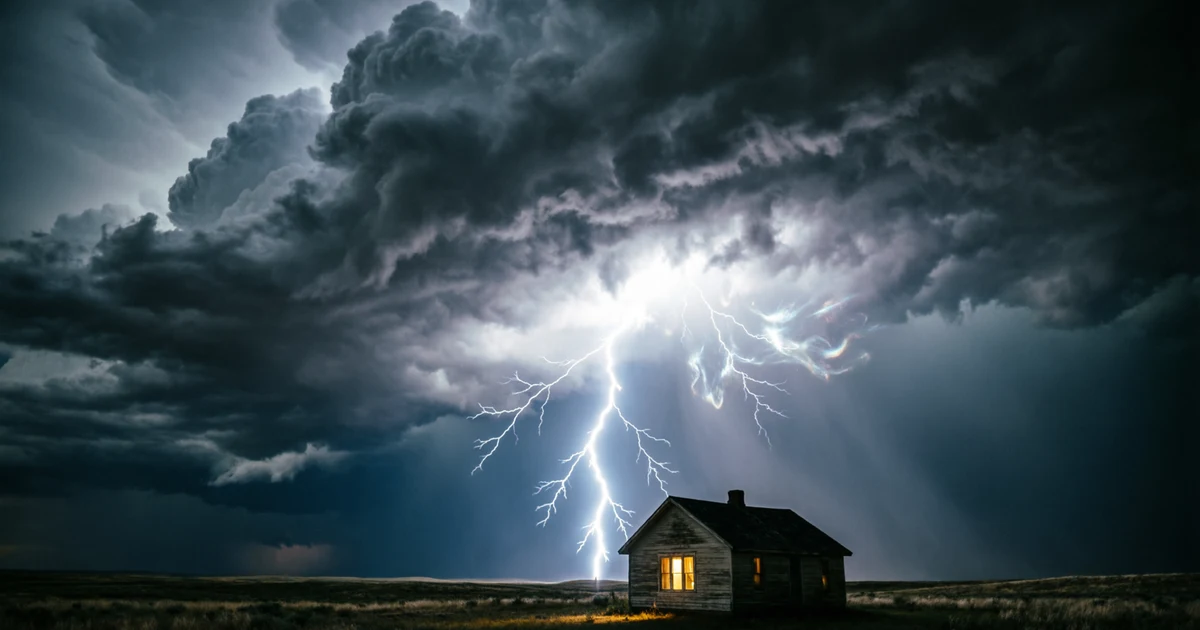
Thunder can make a quiet sky feel alive in one sudden moment. It can rumble like a giant drum, crash like falling rocks, or roar like an angry lion. A strong simile helps readers hear that sound in their minds.
In this guide, you will learn what a simile for thunder means, why writers use thunder similes, and how to create clear, creative, and powerful examples for stories, poems, essays, and school writing.
What a Simile for Thunder Means in Writing
A simile for thunder compares the sound or feeling of thunder to something familiar. It uses words like as or like to make the description easier to imagine.
For example:
- The thunder sounded like a drum in the sky.
- The thunder rolled like stones down a mountain.
- The thunder crashed like a door slamming in heaven.
These comparisons help readers understand the mood of a scene. Thunder can feel loud, scary, distant, angry, or exciting. A good simile gives that feeling more shape.
A plain sentence says:
The thunder was loud.
A stronger sentence says:
The thunder cracked like a giant whip across the sky.
The second sentence gives sound, movement, and energy. It helps the reader hear the thunder instead of only reading about it.
Why Writers Use Similes to Describe Thunder
Writers use similes for thunder because thunder creates strong emotions. It can make a scene feel tense, dramatic, peaceful, or frightening.
A thunder simile can help with:
- Sound
- Mood
- Fear
- Weather description
- Story setting
- Character reaction
- Poetic imagery
For example:
The thunder growled like a beast hiding behind the clouds.
This sentence does more than describe sound. It adds danger. It makes the storm feel alive.
In a calm scene, a writer may use a softer simile:
The thunder murmured like a tired voice far away.
This creates a gentle mood instead of fear.
Writers choose similes based on the feeling they want to create. Loud thunder needs bold comparisons. Distant thunder needs softer ones. Scary thunder needs dark and tense images.
Best Similes for Thunder With Clear Meanings
Here are some strong similes for thunder with simple meanings.
- Thunder roared like a lion in the dark.
Meaning: The thunder sounded loud, deep, and powerful. - Thunder rolled like heavy barrels across the sky.
Meaning: The thunder continued for a long time with a deep rumble. - Thunder cracked like a whip above the rooftops.
Meaning: The thunder sounded sharp and sudden. - Thunder boomed like a cannon in the clouds.
Meaning: The thunder sounded explosive and forceful. - Thunder growled like an angry beast.
Meaning: The thunder felt threatening and intense. - Thunder shook the air like a giant drum.
Meaning: The thunder sounded deep and rhythmic. - Thunder burst like a bomb in the distance.
Meaning: The thunder sounded sudden and shocking.
Each simile gives thunder a different personality. Some make it sound angry, Some make it sound huge, Some make it sound close and dangerous.
Simple Similes for Thunder Students Can Use
Students often need clear similes that sound natural and easy to understand. A simple simile works best when the comparison feels familiar.
Examples:
- The thunder was as loud as a drum.
- The thunder sounded like a lion roaring.
- The thunder crashed like falling rocks.
- The thunder boomed like fireworks.
- The thunder rolled like a big truck.
- The thunder sounded like a giant knocking.
- The thunder cracked like a breaking branch.
These examples suit class assignments, short stories, and descriptive paragraphs.
A student can write:
The rain fell hard, and the thunder sounded like a drum above our house.
This sentence gives a clear image without making the writing too complex.
Creative Similes for Thunder in Descriptive Writing
Creative similes help thunder feel fresh and memorable. Instead of choosing the first comparison that comes to mind, think about the mood of the scene.
For a dramatic scene:
The thunder crashed like the sky had dropped a mountain.
For a mysterious scene:
The thunder whispered like a warning from beyond the hills.
For an angry storm:
The thunder barked like the clouds had lost their patience.
For a lonely night:
The thunder groaned like an old house in the wind.
Creative similes work best when they match the setting. A story in the mountains may use rocks, cliffs, echoes, or valleys. A city scene may use traffic, trains, sirens, or buildings.
Example:
Thunder rattled the windows like a train racing through the dark street.
This simile fits an urban setting because trains and windows feel familiar in city life.
Powerful Similes That Show Loud Thunder
Loud thunder needs strong words. It does not whisper, tap, or hum. It booms, cracks, roars, and crashes.
Examples:
- Thunder exploded like a cannon above the town.
- Thunder boomed like a giant striking a metal gate.
- Thunder cracked like the sky splitting open.
- Thunder roared like a wild animal in a cave.
- Thunder crashed like a building falling in the distance.
- Thunder shook the night like a drumbeat from the clouds.
These similes help readers feel the force of thunder.
A strong sentence might read:
The thunder exploded like a cannon, and everyone in the room froze.
This works because the simile connects sound with reaction. The people freeze because the thunder feels sudden and powerful.
Scary Similes for Thunder in Storm Scenes
Thunder often makes storm scenes feel tense. A scary simile can turn ordinary weather into something dramatic.
Examples:
- Thunder growled like a monster behind the clouds.
- Thunder cracked like bones in the dark.
- Thunder roared like something chasing the night.
- Thunder boomed like a warning from the sky.
- Thunder rolled like a giant dragging chains.
- Thunder snarled like a beast outside the window.
These similes suit ghost stories, suspense scenes, and stormy nights.
Example:
The thunder growled like a monster behind the clouds, and Mia pulled the blanket closer to her chin.
This sentence connects the sound of thunder with fear. The character reaction makes the simile feel real.
Similes for Thunder Like a Drum
A drum makes one of the best comparisons for thunder because both sounds feel deep and rhythmic. Thunder can boom once, or it can roll again and again like a drumbeat.
Examples:
- The thunder boomed like a giant drum in the sky.
- The thunder beat like a war drum over the hills.
- The thunder echoed like drums in an empty hall.
- The thunder rolled like a slow drumbeat before battle.
- The thunder pounded like a drummer striking with both hands.
A drum simile works well when thunder repeats during a storm.
Example:
The thunder pounded like a drum, and the rain danced on the roof.
This sentence gives the storm rhythm. It makes the whole scene feel musical and alive.
Similes for Thunder Like an Explosion
Thunder can sound sudden and violent, especially when lightning strikes nearby. Explosion similes help describe that shock.
Examples:
- The thunder exploded like a bomb over the field.
- The thunder burst like fireworks above the trees.
- The thunder cracked like a blast in the clouds.
- The thunder erupted like dynamite in the distance.
- The thunder boomed like a cannon shot across the valley.
Use explosion similes when thunder feels sharp, close, and startling.
Example:
The thunder exploded like a bomb, and the dog ran under the table.
This sentence works because it shows how sudden thunder affects living things.
Similes for Thunder Like a Roaring Lion
A lion simile gives thunder strength and life. It makes the sky feel wild and powerful.
Examples:
- The thunder roared like a lion across the dark sky.
- The thunder growled like a lion before the hunt.
- The thunder rumbled like a lion deep in its chest.
- The thunder shook the clouds like a lion shaking its mane.
- The thunder sounded like a lion guarding the night.
This type of simile works well in dramatic and emotional writing.
Example:
The thunder roared like a lion, and the children stopped laughing.
The simile changes the mood quickly. The scene moves from playful to serious.
Similes for Thunder Like Rolling Stones
Thunder often moves across the sky in a long, deep rumble. Rolling stone similes help describe that sound.
Examples:
- The thunder rolled like stones down a mountain.
- The thunder rumbled like boulders moving through a valley.
- The thunder echoed like rocks falling inside a cave.
- The thunder moved across the sky like stones tumbling downhill.
- The thunder grumbled like gravel under heavy wheels.
These similes work well for distant thunder because they show movement and echo.
Example:
Far away, thunder rolled like stones down a mountain, slow and heavy.
This sentence feels calm but powerful. It shows distance without losing sound.
Similes for Thunder Like a Giant Stomping
A giant simile helps readers imagine thunder as something huge and heavy. It works well for children, fantasy scenes, and dramatic descriptions.
Examples:
- The thunder sounded like a giant stomping across the sky.
- The thunder boomed like a giant knocking on the clouds.
- The thunder shook the house like a giant stepping nearby.
- The thunder pounded like giant feet on a wooden floor.
- The thunder crashed like a giant dropping stones from the clouds.
This comparison creates a clear picture because everyone understands how heavy footsteps sound.
Example:
The thunder sounded like a giant stomping above the roof, and the floor seemed to tremble.
This simile makes thunder feel close and physical.
Similes for Thunder During Heavy Rain
Thunder and heavy rain often appear together. A good simile can describe how both sounds mix.
Examples:
- The thunder boomed like a drum while rain hammered the roof.
- The thunder growled like a beast as rain slapped the windows.
- The thunder rolled like a truck above the rushing rain.
- The thunder cracked like a whip through the curtain of rain.
- The thunder crashed like falling metal while rain flooded the street.
These similes work best when you also describe the rain.
Example:
The thunder boomed like a drum, and the rain hammered the roof until the whole house seemed awake.
This sentence creates a full storm scene. It lets readers hear thunder and rain at the same time.
Similes for Thunder at Night
Thunder at night can feel stronger because darkness hides the sky. The sound arrives before the eyes understand what happens.
Examples:
- The thunder growled like a hidden animal in the dark.
- The thunder cracked like a door breaking open at midnight.
- The thunder rolled like a warning through the sleeping town.
- The thunder boomed like a drum in an empty night.
- The thunder whispered first, then roared like a shadow coming closer.
Night thunder often creates fear, mystery, or suspense.
Example:
At midnight, the thunder growled like a hidden animal, and every shadow in the room seemed deeper.
This simile gives the night a tense mood.
Similes for Distant Thunder
Distant thunder sounds softer than close thunder. It may rumble, murmur, grumble, or echo.
Examples:
- The distant thunder murmured like a voice beyond the hills.
- The thunder rumbled like a truck far down the road.
- The thunder echoed like drums from another town.
- The thunder rolled like waves beyond the trees.
- The thunder grumbled like an old man in the distance.
Distant thunder can create calm, warning, or suspense.
Example:
The distant thunder murmured like a voice beyond the hills, telling us the storm had not finished yet.
This sentence gives the thunder a quiet but meaningful presence.
Similes for Thunder That Shakes the Ground
Some thunder feels so strong that it seems to shake the earth. These similes need heavy images.
Examples:
- The thunder shook the ground like a train passing under the house.
- The thunder boomed like a giant hammer hitting the earth.
- The thunder rattled the floor like heavy wheels on stone.
- The thunder crashed like a mountain breaking apart.
- The thunder shook the walls like a truck hitting a bridge.
These comparisons work well when thunder feels close.
Example:
The thunder shook the ground like a train passing under the house, and the glass on the table trembled.
This sentence adds a small detail that makes the scene believable.
Emotional Similes for Thunder and Fear
Thunder does not only create sound. It also creates emotion. A frightened child, a lonely traveler, or a nervous character may hear thunder in a personal way.
Examples:
- The thunder sounded like fear knocking on the window.
- The thunder growled like worry inside her chest.
- The thunder crashed like panic breaking through the room.
- The thunder followed him like an angry voice.
- The thunder rolled like dread across the night.
Emotional similes connect weather with inner feelings.
Example:
The thunder growled like worry inside her chest as she waited for the phone to ring.
This sentence uses thunder to reflect emotion. The storm outside matches the fear inside the character.
Poetic Similes for Thunder in Stories and Poems
Poetic similes often focus on beauty, rhythm, and feeling. They do not always need the loudest comparison. Sometimes a softer image creates more depth.
Examples:
- Thunder rolled like the sky remembering an old song.
- Thunder spoke like a deep voice behind the clouds.
- Thunder moved like dark music over the hills.
- Thunder trembled like a drum in the heart of the storm.
- Thunder echoed like ancient footsteps across the heavens.
These similes suit poems, literary descriptions, and emotional scenes.
Example:
Thunder rolled like the sky remembering an old song, and the rain answered in silver notes.
This sentence gives thunder a lyrical quality. It turns the storm into something almost musical.
Example Sentences Using Thunder Similes
Here are practical sentences you can use for inspiration.
- The thunder cracked like a whip, and the lights flickered.
- The thunder roared like a lion over the empty road.
- The thunder rolled like stones down a steep mountain.
- The thunder boomed like a drum in the clouds.
- The thunder growled like a monster outside the window.
- The thunder exploded like fireworks above the valley.
- The thunder rumbled like a truck crossing an old bridge.
- The thunder shook the house like giant footsteps overhead.
- The thunder echoed like drums from a faraway parade.
- The thunder crashed like metal gates slamming shut.
Each sentence creates a different mood. Choose the one that matches your scene.
1-For a scary story, use monster, bones, shadows, or chains.
2-For a school paragraph, use drums, trucks, lions, or fireworks.
3-For poetry, use music, memory, voices, or waves.
How to Create Your Own Simile for Thunder
You can create your own thunder simile by thinking about sound, feeling, and setting.
Start with this simple method:
- Choose the sound
Ask yourself what the thunder sounds like.
Does it boom, crack, rumble, growl, or roar?
- Choose the mood
Decide how the thunder feels.
Does it feel scary, exciting, distant, powerful, or peaceful?
- Choose a familiar comparison
Pick something readers know.
Good choices include:
- Drum
- Lion
- Train
- Explosion
- Giant footsteps
- Falling rocks
- Fireworks
- Heavy doors
- Ocean waves
- Build the sentence
Use like or as.
Examples:
- The thunder boomed like a drum.
- The thunder cracked like a whip.
- The thunder rolled like waves in the sky.
- Add a small detail
A detail makes the simile stronger.
Basic sentence:
The thunder boomed like a drum.
Stronger sentence:
The thunder boomed like a drum, and the windows shook in their frames.
The extra detail helps readers feel the sound.
Conclusion
A strong simile for thunder helps readers hear the storm, feel the mood, and picture the scene clearly. Thunder can sound like a drum, a roaring lion, an explosion, rolling stones, or giant footsteps. Each comparison creates a different effect.
Use simple similes for school writing, Use powerful similes for action scenes, Use scary similes for suspense, Use poetic similes when you want beauty and emotion.
The best thunder simile does not only describe noise. It shows how the thunder feels in the moment.
FAQs About Simile for Thunder
1. What is a simile for thunder?
A simile for thunder compares thunder to another sound or image using like or as. Example: The thunder roared like a lion.
2. What is a good simile for loud thunder?
A good simile for loud thunder: The thunder boomed like a cannon in the clouds.
3. What is a simple thunder simile for students?
A simple thunder simile: The thunder sounded like a big drum in the sky.
4. What is a scary simile for thunder?
A scary simile for thunder: The thunder growled like a monster behind the clouds.
5. What is a poetic simile for thunder?
A poetic simile for thunder: The thunder rolled like dark music over the hills.
6. Can I compare thunder to a lion?
Yes. Thunder and lions both create deep, powerful sounds. Example: The thunder roared like a lion in the night.
7. Can I compare thunder to a drum?
Yes. A drum works well because thunder often sounds deep and rhythmic. Example: The thunder boomed like a giant drum.
8. What simile describes distant thunder?
A good simile for distant thunder: The thunder murmured like a voice beyond the hills.
9. What simile describes thunder during rain?
A useful simile: The thunder boomed like a drum while rain hammered the roof.
10. How do I write my own simile for thunder?
Think about the sound first. Choose a comparison such as a drum, lion, train, or explosion. Then write a sentence with like or as.