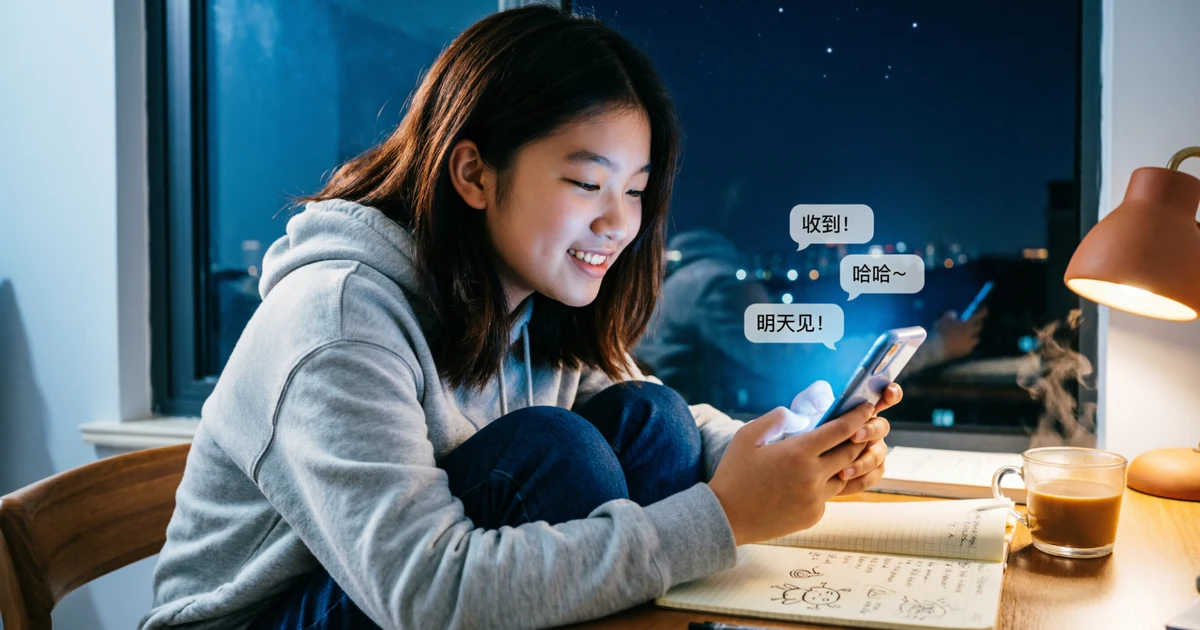
Texting may look simple, but it carries tone, emotion, humor, silence, speed, and sometimes confusion. A single message can feel warm, cold, exciting, awkward, or mysterious. That makes texting a great subject for similes.
A simile for texting compares texting to something else using words like “as” or “like.” It helps readers understand how a text message feels, moves, or affects someone. You can use texting similes in stories, poems, essays, captions, and school assignments.
In this article, you will learn what texting similes mean, why writers use them, and how to create clear examples for different moods and situations.
What a Simile for Texting Means in Writing
A simile for texting compares the act of sending or receiving messages to something familiar. It helps readers picture the feeling behind the message.
For example:
- Her texts came like sparks from a match.
- His replies moved as slowly as syrup.
- Their conversation flowed like a small river.
Each example shows more than the action of texting. The first one shows energy. The second one shows slowness. The third one shows smooth communication.
A good texting simile does not only describe a phone. It describes the mood around the message. It can show excitement, silence, tension, love, boredom, or nervousness.
Texting often lacks facial expressions and voice tone, so a simile adds feeling. It gives the reader a clearer sense of what the characters experience.
Why Writers Use Similes to Describe Texting
Writers use similes to make texting feel alive. A plain sentence like “She texted him quickly” gives basic information. A stronger sentence like “She texted him like her thumbs had caught fire” adds speed, urgency, and personality.
Texting similes help writers:
- Show emotion without long explanation
- Create humor in casual scenes
- Build tension between characters
- Show a relationship through message style
- Make modern writing feel more visual
Texting plays a major role in everyday life, so writers need fresh ways to describe it. A romantic text can feel like a secret song. A cold reply can feel like a door closing. A late reply can feel like waiting for rain in a dry season.
These comparisons help readers connect with the scene because they understand the feeling right away.
Best Similes for Texting With Clear Meanings
The best similes for texting match the mood of the moment. Here are strong examples with clear meanings.
- Texting her felt like tossing paper airplanes across a quiet room.
Meaning: The messages felt playful and light. - His texts landed like stones in my stomach.
Meaning: The messages caused worry or sadness. - Our chat flowed like coffee on a rainy morning.
Meaning: The conversation felt warm and easy. - Her replies popped up like fireworks.
Meaning: Her texts felt bright, quick, and exciting. - Waiting for his text felt like watching paint dry.
Meaning: The wait felt painfully slow. - Their messages passed back and forth like a tennis ball.
Meaning: They replied quickly and kept the conversation active. - His one word reply felt like a wall.
Meaning: The short answer created distance.
A clear simile helps the reader understand the exact feeling. Choose an image that matches the emotion, not just the action.
Simple Similes for Texting Students Can Use
Students often need easy similes for essays, stories, and classroom writing. Simple examples work best because they feel clear and direct.
Here are student friendly similes for texting:
- Texting my friend felt like talking across the room.
- Her message appeared like a surprise gift.
- His reply came as fast as lightning.
- The chat moved like a busy train.
- Waiting for her text felt like waiting for the school bell.
- My phone buzzed like a tiny bee.
- His texts felt as cold as ice.
- Her words shone like little stars on the screen.
These examples use common images that most readers understand. Students can also change the mood by changing the comparison.
For example:
- Happy texting can feel like sunshine.
- Nervous texting can feel like walking on thin glass.
- Boring texting can feel like reading a blank wall.
A simple simile works well when it gives the reader a quick picture.
Funny Similes for Texting in Everyday Conversations
Funny similes make texting scenes more entertaining. They work well in casual writing, comedy, captions, and dialogue.
Examples:
- He texts like his thumbs run on rocket fuel.
- She replies like her phone lives in another country.
- His typing dots blinked like they had a full time job.
- Texting him felt like playing chess with a sleepy turtle.
- Her autocorrect attacked like a confused robot.
- He sends emojis like he owns the factory.
- Waiting for her reply felt like waiting for a cat to follow instructions.
- His group chat messages arrived like popcorn in a hot pan.
Funny similes often exaggerate normal texting habits. They make slow replies, typo filled messages, long paragraphs, and emoji overload feel more memorable.
Use humor carefully. A funny simile should match the character or situation. If the scene feels serious, save the joke for a lighter moment.
Creative Similes for Texting in Descriptive Writing
Creative similes help texting feel deeper and more original. They work well in stories, personal essays, and modern poetry.
Examples:
- Her texts drifted in like paper boats on quiet water.
- His message opened like a window in a dark room.
- The chat glowed like a little campfire in my hands.
- Their words crossed the screen like fireflies at dusk.
- Each text felt like a knock on a locked door.
- Her silence stretched like a road with no streetlights.
- His reply arrived like a coin dropped into an empty well.
Creative texting similes often focus on emotion. The phone becomes more than a device. It becomes a place where hope, fear, love, and distance meet.
To create a creative simile, ask yourself:
- Does the text feel warm or cold?
- Does the reply feel fast or slow?
- Does the silence feel peaceful or painful?
- Does the conversation feel close or distant?
The answer can guide your comparison.
Short Similes for Texting
Short similes work well in quick writing, captions, poems, and social media posts. They deliver meaning without long explanation.
Examples:
- Texting like lightning
- Texting like a drumbeat
- Texting like a whisper
- Texting like a game
- Texting like a secret
- Texting like a spark
- Texting like rain
- Texting like a heartbeat
- Texting like a song
- Texting like a storm
You can turn each short simile into a full sentence.
Examples:
- She texted like lightning.
- His message came like a whisper.
- Their chat moved like a song.
- My phone buzzed like a heartbeat.
Short similes work best when the image feels sharp. A single strong comparison can say more than a long sentence.
Similes for Fast Texting
Fast texting can show excitement, urgency, anger, nervousness, or strong interest. The best similes for fast texting use movement, energy, and speed.
Examples:
- She texted as fast as lightning across the sky.
- His replies came like bullets from a racing mind.
- Her thumbs moved like hummingbird wings.
- The messages poured in like rain during a storm.
- Their chat bounced like a ball on concrete.
- He answered like the phone had shocked him.
- Her texts flashed like camera lights at a concert.
Fast texting can also show chemistry between two people. When both people reply quickly, the conversation feels alive.
Example:
Their messages flew back and forth like birds chasing the same wind.
This simile shows speed and connection at the same time.
Similes for Slow Texting
Slow texting often creates doubt, boredom, tension, or frustration. A slow reply can make the waiting feel bigger than the message itself.
Examples:
- His replies came as slowly as melting ice.
- Waiting for her text felt like watching a clock crawl.
- His message moved through the day like a tired snail.
- Her reply arrived like rain after a long drought.
- Texting him felt like fishing in an empty pond.
- The typing dots blinked like a broken traffic light.
- His answers came like drops from a leaky tap.
Slow texting similes work well when a character feels ignored or uncertain. They can also show a relaxed person who never rushes.
Example:
He texted slowly, like someone walking barefoot through warm sand.
This version feels calm instead of frustrating. The mood depends on the comparison you choose.
Similes for Late Night Texting
Late night texting often feels private, honest, emotional, or risky. People say things at night that they may avoid during the day.
Examples:
- Her late night texts glowed like candles in a dark room.
- His message arrived like a whisper under the door.
- Our chat felt like stars talking across the sky.
- Texting after midnight felt like opening a secret drawer.
- Her words came softly, like rain against the window.
- His reply warmed the silence like a small fire.
- The screen shone like a moon in my hands.
Late night texting similes often use images such as stars, moonlight, candles, shadows, windows, and quiet rooms. These images match the mood of privacy and stillness.
Use these similes in romance, friendship scenes, personal reflection, and emotional storytelling.
Similes for Awkward Texting
Awkward texting happens when people do not know what to say, send the wrong message, or create uncomfortable silence. Similes can make that feeling clear and sometimes funny.
Examples:
- The conversation sat there like a spilled drink.
- His reply felt like stepping on a squeaky floor in a silent room.
- My message hung on the screen like a bad joke.
- Texting her felt like walking into the wrong classroom.
- The silence after my text felt like a door that would not open.
- His emoji landed like a clown at a funeral.
- Our chat stumbled like a chair with one short leg.
Awkward similes often use images of imbalance, silence, mistakes, or discomfort. They help readers feel the cringe without needing a long explanation.
A strong awkward texting simile should make the reader think, “I know that feeling.”
Similes for Romantic Texting
Romantic texting can feel soft, exciting, comforting, or full of longing. Similes help show emotion without making the scene too heavy.
Examples:
- Her texts felt like flowers opening in my chest.
- His good morning message warmed me like sunlight on a cold day.
- Our messages moved like a slow dance.
- Her words stayed with me like perfume on a scarf.
- His reply felt like a hand reaching through the screen.
- Texting her felt like listening to my favorite song.
- Every message from him glowed like a lantern in the dark.
Romantic similes should feel personal. Avoid comparisons that sound too dramatic unless the scene needs strong emotion.
For sweet romance, use soft images like sunlight, music, flowers, warmth, and gentle rain. For longing, use distance, moonlight, letters, empty rooms, and quiet roads.
Similes for Texting a Crush
Texting a crush often creates excitement and fear at the same time. A person may overthink every word, emoji, and delay.
Examples:
- Texting my crush felt like holding a sparkler too close.
- Her reply hit me like a burst of sunshine.
- Waiting for his message felt like standing at the edge of a diving board.
- My heart jumped like a phone on vibrate.
- Sending the text felt like dropping a letter into a wishing well.
- His name on my screen looked like a prize in a game.
- Her typing dots danced like butterflies in my stomach.
These similes work because they show nerves and hope together. A crush text rarely feels ordinary. It often feels bigger than the words on the screen.
Use these examples in teen stories, romance scenes, diary style writing, and captions.
Similes for Dry Texting
Dry texting means short, dull, or low effort replies. It often makes the conversation feel empty or one sided.
Examples:
- His replies felt as dry as crackers with no water.
- Texting her felt like talking to a wall.
- His “ok” landed like a pebble in a dry well.
- The chat felt like a plant no one watered.
- Her replies came like crumbs from an empty plate.
- Texting him felt like knocking on a locked house.
- His messages felt as flat as old soda.
Dry texting similes should show a lack of energy. Use images like dust, empty rooms, dry plants, cold walls, stale food, and silent doors.
Example:
The conversation dried up like a puddle under the afternoon sun.
This simile shows how a once active chat lost life.
Similes for Texting Like a Conversation
Some texting feels natural, almost like speaking face to face. These similes show flow, rhythm, and comfort.
Examples:
- Our texts flowed like a real conversation across a kitchen table.
- Her replies came like answers in a friendly chat.
- Texting him felt like talking beside a warm fire.
- The messages moved like two people walking at the same pace.
- Their chat rose and fell like voices in a busy cafe.
- Our words passed back and forth like a shared cup of tea.
- Her texts sounded like laughter through an open door.
These similes work well when characters feel close. They show ease and connection.
A conversation style texting simile should not feel rushed. It should show rhythm, comfort, and trust.
Similes for Texting Like a Game
Texting can feel like a game when people tease, flirt, compete, delay replies, or choose words carefully.
Examples:
- Texting him felt like playing cards with my feelings.
- Her replies came like moves on a chessboard.
- Our chat felt like a puzzle with missing pieces.
- He texted like every word had a score.
- Waiting for her reply felt like watching a spinner land.
- Their messages bounced like players in a fast match.
- Texting my crush felt like a game I wanted to win.
Game based similes work well for flirting, teasing, mystery, and emotional tension. They show that texting can involve strategy.
Example:
She answered like a chess player, always one move ahead.
This simile shows control and cleverness.
Similes for Texting Like a Secret Message
Texting can feel secretive when messages carry hidden meaning, private jokes, or unspoken feelings. Similes can show that quiet mystery.
Examples:
- His text felt like a note slipped under a door.
- Her message opened like a secret map.
- Our chat felt like a code only we could read.
- His words glowed like ink under a hidden light.
- Her reply felt like a whisper in a crowded room.
- Texting him felt like hiding a letter inside a book.
- Each message passed between us like a secret handshake.
Secret message similes work well in romance, friendship, mystery, and drama. They show privacy without overexplaining it.
The best examples create a sense of closeness. They make the reader feel that the message means more than it says.
Similes for Texting in Stories and Novels
Texting can reveal character, build conflict, and move a plot forward. Similes help writers make digital communication feel emotional and visual.
Examples for stories:
- The text arrived like thunder on a clear day.
- Her phone buzzed like a warning bell.
- His last message sat on the screen like an unanswered question.
- The group chat exploded like a room full of shouting voices.
- Her apology appeared like a white flag.
- His silence spread like fog through the rest of the night.
- The message felt like a key turning in a locked door.
In fiction, a texting simile should match the scene. A suspense scene needs tension. A romantic scene needs warmth. A funny scene needs surprise.
Instead of writing, “He got a scary text,” you can write:
His phone buzzed like a wasp trapped inside his pocket.
This creates a stronger image and adds tension.
Example Sentences Using Texting Similes
Here are complete sentence examples you can use for inspiration.
- She texted like her thoughts could not wait another second.
- His message arrived like a stone thrown through my calm morning.
- Our conversation flowed like music from an open window.
- Her reply felt like sunshine after a long gray day.
- The group chat buzzed like a nest of angry bees.
- His short answer felt like a door closing in my face.
- My phone lit up like a tiny stage in the dark.
- Waiting for her text felt like waiting for water to boil.
- His apology came like a soft knock after a storm.
- Their messages moved like dancers who knew every step.
- Her typing dots blinked like a heartbeat on the screen.
- Texting him felt like sending paper boats into a deep river.
- His silence stretched like a shadow at sunset.
- Her goodnight text landed like a blanket over my worries.
- The message hit me like cold wind through an open window.
These sentences show different moods. Some feel romantic, some feel funny, and some feel tense. That variety helps your writing sound more natural.
How to Create Your Own Simile for Texting
You can create a strong simile for texting by starting with the feeling behind the message.
Follow this simple process.
- Choose the texting situation
Ask what happens in the scene.
Examples:
- Someone replies fast
- Someone ignores a message
- Someone sends a romantic text
- Someone sends an awkward message
- Someone keeps the conversation alive
- Name the emotion
Decide what the texting feels like.
Examples:
- Exciting
- Cold
- Nervous
- Funny
- Comforting
- Confusing
- Painful
- Pick a matching image
Choose something that gives the same feeling.
Examples:
- Fast texting can feel like lightning
- Romantic texting can feel like music
- Dry texting can feel like dust
- Secret texting can feel like a hidden note
- Awkward texting can feel like a spilled drink
- Build the sentence
Use “like” or “as” to create the simile.
Examples:
- His reply came like lightning.
- Her message felt as soft as a lullaby.
- The silence after my text felt like a locked door.
- Make it fit the character
A teenager, poet, comic character, or serious narrator may describe texting differently. Choose words that match the voice of the speaker.
A simple simile can work better than a fancy one if it fits the moment.
Conclusion
A simile for texting helps writers turn a small phone message into a clear emotional image. Texting can feel fast, slow, romantic, awkward, dry, funny, or secretive. The right comparison helps readers understand that feeling right away.
Strong texting similes do more than describe typing. They show the mood behind the message. A reply can land like a stone, glow like a candle, buzz like a bee, or move like a dance.
When you create your own simile, focus on the emotion first. Then choose an image that matches it. That simple method will help you write texting scenes that feel natural, modern, and memorable.
FAQs About Simile for Texting
What is a simile for texting?
A simile for texting compares texting to something else using “like” or “as.” Example: Her texts came like sparks from a fire.
What is a good simile for fast texting?
A good simile for fast texting is: She texted as fast as lightning. It shows speed and excitement clearly.
What is a funny simile for texting?
A funny simile for texting is: He texts like his thumbs drink coffee. It gives the sentence humor and energy.
What is a simile for slow texting?
A simile for slow texting is: His replies came as slowly as melting ice. It shows delay and frustration.
What is a simile for romantic texting?
A romantic texting simile is: Her message felt like sunlight on a cold morning. It shows warmth and affection.
What is a simile for dry texting?
A dry texting simile is: His replies felt as dry as old toast. It shows dull and low effort communication.
Can students use texting similes in school writing?
Yes. Students can use texting similes in stories, poems, essays, and descriptive paragraphs when the topic allows modern communication.
How do I write a creative simile for texting?
Start with the feeling of the message, then compare it to something with the same mood. For example, a secret text can feel like a note hidden inside a book.
Why do texting similes help writing?
Texting similes help writing because they show tone and emotion. Readers can understand how a message feels, not only what it says.
What is the best simile for texting a crush?
A strong simile for texting a crush is: Texting my crush felt like holding a sparkler too close. It shows excitement and nervousness together.