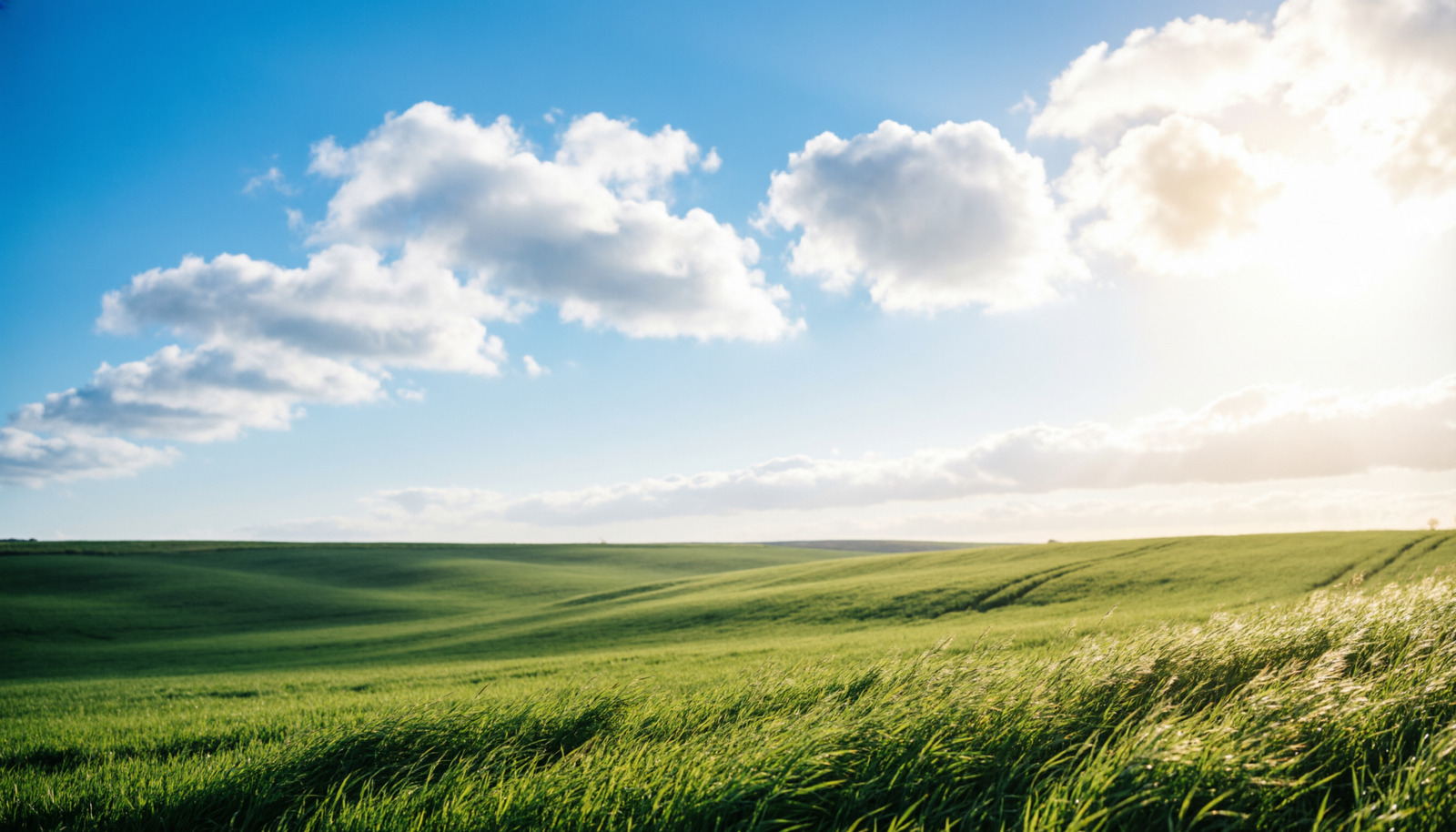
The sky changes every hour. Sometimes it looks soft and calm. Sometimes it feels wide, wild, bright, lonely, or full of wonder. A good simile helps writers capture that feeling in one clear image.
A simile for sky compares the sky to something familiar using words like as or like. Instead of writing the sky was blue, you can write the sky was as blue as a polished sapphire. That small comparison gives the sentence color, mood, and emotion.
In this guide, you will learn what sky similes mean, why writers use them, and how to use them in poems, stories, essays, and descriptive paragraphs. You will also find simple, creative, beautiful, stormy, sunny, gloomy, and night sky similes with meanings and examples.
What a Simile for Sky Means in Writing
A simile for sky compares the sky to another thing to make the description clearer and more vivid. It helps the reader picture the sky instead of only reading about it.
A basic sky simile looks like this:
The sky looked like a sheet of blue glass.
This sentence compares the sky to blue glass. The reader can imagine a smooth, bright, clear sky.
A simile for sky can show:
- Color
- Size
- Mood
- Weather
- Time of day
- Emotion
- Movement
- Beauty
For example:
The sky stretched above us like an endless ocean.
This simile shows size and openness. It makes the sky feel vast, peaceful, and deep.
Another example:
The sky hung over the town like a heavy gray curtain.
This simile creates a darker mood. It suggests clouds, sadness, or a coming storm.
A strong sky simile does more than decorate a sentence. It gives the reader a feeling.
Why Writers Use Similes to Describe the Sky
Writers often use the sky to create mood. A bright sky can suggest hope. A dark sky can suggest fear, sadness, or mystery. A golden sky can suggest beauty, peace, or the end of a day.
Similes help writers make these feelings easier to understand.
Compare these two sentences:
The sky looked beautiful.
The sky glowed like warm honey poured over the hills.
The second sentence gives the reader a stronger image. It also adds warmth and softness.
Writers use sky similes because they help with:
- Building atmosphere
- Showing emotion
- Creating visual detail
- Making scenes memorable
- Helping readers connect with nature
In stories, the sky can reflect a character’s mood. A nervous character may notice a sky that looks sharp, dark, or restless. A happy character may notice a sky that looks open, bright, or gentle.
Example:
After the exam ended, the sky opened above me like a clean page.
This simile connects the sky with relief and a fresh start.
Best Similes for Sky With Clear Meanings
Here are some of the best similes for sky with simple meanings and examples.
The sky was as blue as a sapphire.
Meaning: The sky looked rich, bright, and deeply blue.
Example: The sky was as blue as a sapphire above the quiet beach.
The sky stretched like an endless ocean.
Meaning: The sky looked wide and limitless.
Example: From the hilltop, the sky stretched like an endless ocean.
The sky glowed like a lantern.
Meaning: The sky looked warm and bright.
Example: At sunset, the sky glowed like a lantern over the village.
The sky looked like a painted canvas.
Meaning: The sky had many colors and a beautiful artistic look.
Example: Pink, gold, and purple clouds made the sky look like a painted canvas.
The sky darkened like spilled ink.
Meaning: The sky became very dark quickly.
Example: Before the storm, the sky darkened like spilled ink.
The sky floated above us like a soft blue blanket.
Meaning: The sky felt calm, gentle, and comforting.
Example: The sky floated above us like a soft blue blanket on that quiet morning.
Each simile gives the sky a different feeling. Choose the one that matches your scene.
Simple Similes for Sky Students Can Use
Students often need clear and easy similes for school writing. A simple simile works best when it uses familiar words and creates a clear picture.
Here are easy similes for sky:
The sky was as blue as the sea.
The sky was like a big blue blanket.
The sky was as bright as a lamp.
The sky looked like a bowl turned upside down.
The sky was as dark as night.
The sky was like a soft cotton sheet.
The sky was as clear as glass.
The sky looked like a painting.
Example paragraph:
The sky was as blue as the sea. Small white clouds moved slowly across it like cotton balls. The sun shone brightly, and the whole morning felt fresh and happy.
Students can use similes like these in:
- Nature writing
- Story openings
- Poems
- Weather descriptions
- Creative writing homework
A simple simile should make the sentence clearer, not harder to understand.
Beautiful Similes for a Clear Blue Sky
A clear blue sky often suggests peace, freedom, freshness, and happiness. Writers can use soft and bright images to describe it.
Beautiful similes for a clear blue sky include:
The sky was as blue as a polished sapphire.
The sky spread above us like a calm blue sea.
The sky shone like clean glass in the morning light.
The sky looked like a silk scarf stretched across the world.
The sky opened like a window to a perfect day.
The sky rested above the fields like a smooth blue lake.
Example:
The sky spread above the meadow like a calm blue sea, and every flower seemed brighter beneath it.
This simile works well because it connects the sky with calmness and space.
For a peaceful tone, choose comparisons like:
- Lake
- Silk
- Glass
- Sapphire
- Sea
- Window
For a joyful tone, choose comparisons like:
- Festival cloth
- Bright jewel
- Open door
- Fresh morning
A clear sky often gives a scene a hopeful feeling.
Creative Similes for Sky in Descriptive Writing
Creative writing needs fresh images. Common similes can help, but original comparisons often make writing stronger.
Instead of writing:
The sky was like a blanket.
You can write:
The sky folded over the town like a blue letter from summer.
This simile feels more personal and creative.
Here are creative similes for sky:
The sky curled above the city like a blue ribbon.
The sky shimmered like a dream too large to hold.
The sky changed colors like a mood the earth could not hide.
The sky stretched like a promise beyond the rooftops.
The sky glowed like a secret waiting behind the clouds.
The sky cracked with light like a giant eye opening.
Example:
By evening, the sky changed colors like a mood the earth could not hide.
This sentence gives the sky emotion. It works well in reflective writing or literary scenes.
To create a unique sky simile, ask:
- What does the sky look like?
- What emotion does it create?
- What object shares that color, shape, or feeling?
- Does the comparison fit the mood of the scene?
A creative simile should still feel natural.
Similes for Sky at Sunrise
A sunrise sky often brings hope, energy, and new beginnings. Writers can use warm, glowing, and gentle comparisons.
Similes for sky at sunrise include:
The sky blushed like a shy child.
The sky glowed like a candle waking in the dark.
The sky turned pink like rose petals in morning light.
The sky opened like a golden gate.
The sky brightened like a smile spreading across a face.
The sky burned softly like warm embers.
Example:
At sunrise, the sky blushed like a shy child, and the first light touched the windows.
This simile creates a soft and innocent mood.
For a stronger sunrise image, you can write:
The sky opened like a golden gate, and the sun stepped through with quiet fire.
This works well in poems, fantasy stories, and descriptive essays.
Sunrise similes often fit themes like:
- Hope
- Fresh starts
- Peace
- Growth
- Renewal
Use sunrise sky similes when a scene begins with promise.
Similes for Sky at Sunset
A sunset sky gives writers rich colors and strong emotion. It can feel romantic, peaceful, sad, dramatic, or magical.
Similes for sky at sunset include:
The sky glowed like melted gold.
The sky turned orange like a flame behind glass.
The sky looked like a painting brushed with fire.
The sky faded like an old memory.
The sky burned like a quiet candle at the edge of night.
The sky spread across the horizon like spilled peach juice.
Example:
The sky glowed like melted gold as the sun slipped behind the hills.
This simile creates warmth and beauty.
For a sadder mood:
The sky faded like an old memory, soft at the edges and hard to hold.
This works well when a character thinks about the past.
Sunset similes can show:
- Beauty
- Ending
- Romance
- Change
- Nostalgia
A sunset sky often carries emotion because it marks the close of the day.
Similes for Sky at Night
The night sky can feel peaceful, mysterious, lonely, romantic, or endless. The best similes for night sky often compare it to dark cloth, deep water, velvet, ink, or space.
Similes for sky at night include:
The sky was as black as velvet.
The sky stretched like a dark ocean filled with stars.
The sky sparkled like a jewel box.
The sky looked like black silk sprinkled with diamonds.
The sky opened above us like a silent cave.
The sky lay over the world like a deep blue blanket.
Example:
The sky looked like black silk sprinkled with diamonds, and every star seemed close enough to touch.
This simile works well for romantic or peaceful scenes.
For a lonely mood:
The sky stretched like a dark ocean, and the stars looked too far away to comfort anyone.
This adds emotion to the image.
Night sky similes often work well in:
- Poems
- Campfire scenes
- Quiet story moments
- Romantic writing
- Mystery scenes
The night sky gives writers a natural way to create wonder.
Similes for a Cloudy Sky
A cloudy sky can feel soft, dull, heavy, cozy, or uncertain. The mood depends on the type of clouds.
Similes for a cloudy sky include:
The sky looked like a pillow stuffed with gray cotton.
The sky hung low like a tired old coat.
The sky spread above us like a wool blanket.
The sky looked as soft as sheep’s wool.
The sky covered the sun like a curtain.
The sky turned gray like ashes after a fire.
Example:
The sky hung low like a tired old coat, and the whole street looked dull.
This simile creates a heavy and sleepy mood.
For a softer image:
The sky looked as soft as sheep’s wool, with clouds drifting slowly over the hills.
Cloudy sky similes can describe:
- Calm weather
- Rainy mornings
- Lazy afternoons
- Sad scenes
- Quiet landscapes
Clouds change the personality of the sky. Light clouds feel gentle. Dark clouds feel serious.
Similes for a Stormy Sky
A stormy sky needs strong, dramatic comparisons. It can show danger, fear, anger, tension, or sudden change.
Similes for a stormy sky include:
The sky growled like an angry beast.
The sky darkened like bruised skin.
The sky cracked with lightning like broken glass.
The sky rolled above us like a black wave.
The sky shook like a drum under heavy hands.
The sky flashed like a warning signal.
Example:
The sky growled like an angry beast as thunder rolled over the fields.
This simile gives the storm life and power.
For a more visual image:
The sky cracked with lightning like broken glass, and rain struck the road in silver lines.
Stormy sky similes fit scenes with:
- Conflict
- Fear
- Action
- Danger
- Emotional tension
A stormy sky can also mirror a character’s anger or worry.
Example:
Inside her chest, anger rose. Outside the window, the sky rolled like a black wave.
This connects weather with emotion.
Similes for a Calm and Peaceful Sky
A calm sky creates a gentle mood. It can show safety, silence, balance, or comfort.
Similes for a calm sky include:
The sky rested like a quiet lake.
The sky spread above us like soft blue silk.
The sky looked as peaceful as a sleeping child.
The sky floated overhead like a feather.
The sky opened like a calm breath.
The sky lay still like glass.
Example:
The sky rested like a quiet lake, and the morning moved slowly around us.
This simile gives the scene peace and stillness.
Peaceful sky similes work well in:
- Nature writing
- Meditation scenes
- Quiet mornings
- Reflective essays
- Gentle poems
To keep the tone calm, use soft objects and slow images. Words like silk, lake, feather, breath, and glass help create peace.
Similes for a Bright and Sunny Sky
A bright sunny sky often suggests joy, energy, warmth, and activity. Writers can use light, gold, fire, and cheerful objects.
Similes for a bright sunny sky include:
The sky shone like a polished mirror.
The sky gleamed like a bright blue jewel.
The sky sparkled like fresh water in sunlight.
The sky opened like a happy smile.
The sky blazed like a festival of light.
The sky looked as bright as a summer morning.
Example:
The sky opened like a happy smile, and children ran across the park.
This simile creates a cheerful mood.
For stronger brightness:
The sky blazed like a festival of light above the crowded beach.
Bright sky similes fit:
- Summer scenes
- Happy moments
- Outdoor settings
- Travel writing
- Childhood memories
A sunny sky can make a scene feel alive.
Similes for a Dark and Gloomy Sky
A dark gloomy sky creates sadness, worry, mystery, or fear. Writers often use comparisons with ash, smoke, stone, curtains, or shadows.
Similes for a dark gloomy sky include:
The sky looked like a ceiling of smoke.
The sky hung over us like a heavy stone.
The sky turned gray like wet ash.
The sky covered the town like a mourning cloth.
The sky lowered like a frown.
The sky looked as dull as old metal.
Example:
The sky hung over us like a heavy stone, and no one spoke for a long time.
This simile gives weight to the scene.
For a sad tone:
The sky covered the town like a mourning cloth after the news arrived.
Gloomy sky similes fit writing about:
- Loss
- Fear
- Bad news
- Rainy days
- Serious scenes
Use dark sky similes carefully. They create strong emotional weight.
Similes for Sky Like an Ocean
The sky and the ocean share color, depth, movement, and vastness. This comparison works well because both can feel endless.
Examples include:
The sky stretched like an endless ocean.
The sky rolled above us like a blue sea.
The sky deepened like the ocean at dusk.
The sky spread wide like water without shores.
The sky flowed over the world like a silent tide.
Example:
The sky stretched like an endless ocean, making the mountains seem small.
This simile shows scale and openness.
A sky like an ocean can suggest:
- Freedom
- Distance
- Mystery
- Calmness
- Power
For a peaceful version:
The sky flowed over the fields like a silent tide.
For a dramatic version:
The storm clouds rolled across the sky like waves before a shipwreck.
Ocean similes work best when the sky feels wide or moving.
Similes for Sky Like a Blanket
A blanket simile gives the sky a soft, covering, protective feeling. It can also create heaviness when the sky looks dark or cloudy.
Examples include:
The sky covered the earth like a blue blanket.
The sky lay over the town like a warm quilt.
The sky wrapped the valley like a soft blanket.
The sky pressed down like a heavy gray blanket.
The night sky covered us like a velvet blanket.
Example:
The night sky covered us like a velvet blanket, quiet and full of stars.
This simile creates comfort and peace.
For a gloomy tone:
The gray sky pressed down like a heavy blanket over the city.
Blanket similes can show:
- Comfort
- Warmth
- Protection
- Sleepiness
- Pressure
The same comparison can feel gentle or heavy depending on the words around it.
Similes for Sky Like a Canvas
A canvas simile works well when the sky has many colors, clouds, or dramatic light. It helps the sky feel artistic.
Examples include:
The sky looked like a canvas painted with gold and pink.
The sky spread above us like an artist’s canvas.
The sky changed like a canvas under a moving brush.
The sky looked like a watercolor painting.
The sky glowed like a canvas filled with fire.
Example:
At sunset, the sky looked like a canvas painted with gold, pink, and violet.
This simile works because sunset often looks painted.
Canvas similes fit:
- Sunset descriptions
- Sunrise scenes
- Colorful clouds
- Poetry
- Art inspired writing
A canvas simile gives the sky beauty and creativity. It also helps students describe colors without sounding plain.
Similes for Sky in Poems and Stories
Poems and stories use sky similes in different ways. In poems, a simile can create beauty or emotion in a few words. In stories, it can build setting, mood, or character feeling.
Poetic examples:
The sky was like a blue song above the trees.
The sky blushed like a rose at dawn.
The sky slept like a dark lake full of stars.
Story examples:
The sky looked like wet ash, and Daniel knew the rain would come before night.
Above the farm, the sky stretched like a promise, wide and clean.
The sky flashed like a warning, and Maya ran faster.
A sky simile in a story should match the action.
For a peaceful scene, use a calm simile.
For a scary scene, use a sharp or dark simile.
For a happy scene, use a bright and warm simile.
Good writers do not choose a simile only because it sounds pretty. They choose one because it supports the scene.
Example Sentences Using Sky Similes
Here are useful sky simile sentences for different writing needs.
The sky was as blue as a sapphire after the rain cleared.
The sky stretched like an endless ocean above the desert road.
The sky glowed like melted gold at sunset.
The sky darkened like spilled ink before the storm.
The sky looked like black velvet covered with stars.
The sky floated above the garden like a soft blue blanket.
The sky cracked with lightning like broken glass.
The sky blushed like a rose at sunrise.
The sky hung over the city like a heavy gray curtain.
The sky shimmered like a dream beyond the mountains.
The sky opened like a window to a brighter day.
The sky rolled like a black wave over the sea.
The sky looked like a painted canvas at the edge of evening.
The sky rested like a quiet lake above the sleeping town.
The sky sparkled like a jewel box on a cold winter night.
These examples can help students, poets, bloggers, and fiction writers add more life to their descriptions.
How to Create Your Own Simile for Sky
You can create your own sky simile by looking closely at the sky and choosing a comparison that matches its mood.
Follow these steps:
- Notice the color
Ask yourself what color you see. Blue, gray, pink, gold, black, purple, or orange can guide your comparison. - Notice the mood
Decide if the sky feels peaceful, bright, sad, scary, romantic, or magical. - Choose a familiar image
Pick something readers can picture easily, such as glass, silk, fire, ocean, blanket, ink, or velvet. - Use like or as
A simile needs a clear comparison. - Match the scene
Make sure your simile fits the feeling of your writing.
Example process:
Color: dark blue
Mood: quiet and peaceful
Image: velvet
Simile: The sky looked like dark velvet sprinkled with stars.
Another example:
Color: gold and orange
Mood: warm and beautiful
Image: melted honey
Simile: The sky glowed like melted honey over the hills.
A strong simile feels clear, natural, and connected to the moment.
Conclusion
A good simile for sky helps readers see the scene and feel its mood. The sky can look like an ocean, a blanket, a canvas, a jewel, a curtain, or a sheet of glass. Each comparison changes the feeling of the sentence.
Use simple similes when you want clarity. Use creative similes when you want stronger emotion or a more original voice. Match your simile with the time of day, weather, and mood of the scene.
The best sky similes do not only describe color. They show peace, wonder, sadness, hope, fear, beauty, or change. When you choose the right comparison, the sky becomes more than background. It becomes part of the story.
FAQs
What is a simile for sky?
A simile for sky compares the sky to another thing using like or as. For example, the sky was as blue as the sea.
What is a good simile for a blue sky?
A good simile for a blue sky is the sky was as blue as a sapphire. It shows rich color and clear beauty.
What is a simple simile for sky for students?
A simple simile for students is the sky looked like a big blue blanket. It uses easy words and creates a clear image.
What is a simile for the night sky?
A strong simile for the night sky is the sky looked like black velvet sprinkled with diamonds.
What is a simile for a stormy sky?
A good simile for a stormy sky is the sky growled like an angry beast. It creates drama and tension.
What is a simile for a sunset sky?
A beautiful simile for a sunset sky is the sky glowed like melted gold.
What is a simile for a cloudy sky?
A clear simile for a cloudy sky is the sky looked like a pillow stuffed with gray cotton.
How do you write a creative sky simile?
Look at the sky’s color, mood, and movement. Then compare it to something familiar that shares the same feeling.
Can I use sky similes in poems?
Yes. Sky similes work well in poems because they create strong images and emotions in a few words.
Why do writers compare the sky to an ocean?
Writers compare the sky to an ocean because both look wide, deep, and endless.