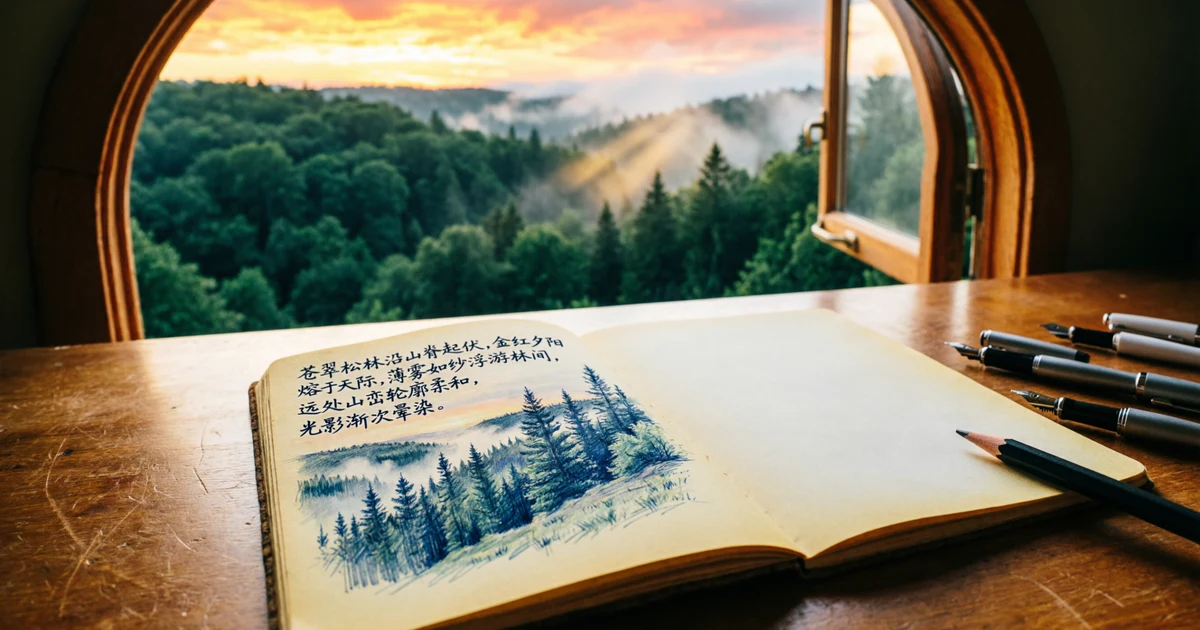
A strong setting can pull readers into a story before any character speaks. A classroom can feel as quiet as a sleeping cat. A forest can stand as dark as a secret. A beach can shine like a sheet of glass under the morning sun.
That is the power of a good simile.
A simile for setting description compares a place, scene, or atmosphere to something familiar. It helps readers see, hear, and feel the world you create. In this guide, you will learn what setting similes mean, how they work, and how to use them in stories, essays, poems, and school writing.
You will also find many clear examples for cities, forests, beaches, schools, old houses, weather, mood, and time of day.
What a Simile for Setting Description Means
A simile for setting description compares a place or scene to something else using words such as like or as. Writers use this comparison to make a setting easier to imagine.
For example:
- The room felt as cold as a freezer.
- The road stretched like a gray ribbon through the hills.
- The garden glowed like a painted picture in the sun.
Each sentence helps the reader picture the setting more clearly. Instead of saying the room felt cold, the first example gives the cold a strong image. A freezer feels familiar, so the reader quickly understands the feeling.
A setting simile can describe many things, such as:
- Weather
- Light
- Sound
- Smell
- Mood
- Size
- Movement
- Color
- Texture
- Atmosphere
A plain sentence gives information. A strong simile gives experience.
Plain sentence:
The forest was quiet.
Stronger sentence:
The forest was as quiet as a church before prayer.
The second sentence creates a clearer mood. It suggests silence, stillness, and respect. That kind of detail makes writing stronger.
Why Similes Make Setting Descriptions More Vivid
Similes make setting descriptions vivid because they turn general details into images the reader can feel. A simple word like beautiful, scary, or peaceful often tells too little. A simile gives that word shape.
Compare these two examples:
The lake looked beautiful.
The lake shimmered like a mirror under the pale morning sky.
The first sentence tells the reader what to think. The second sentence helps the reader see the lake. It gives light, surface, and mood.
Good setting similes can make a place feel:
- Bright and joyful
- Cold and lonely
- Warm and safe
- Dark and dangerous
- Busy and alive
- Still and peaceful
For example:
The market buzzed like a beehive at noon.
This simile does more than show sound. It suggests movement, crowding, energy, and noise. One comparison carries several details at once.
Writers often use similes when they want readers to enter the scene quickly. A strong simile can do the work of several weak sentences.
Weak description:
The hallway was long, dark, and scary. It made me nervous.
Better description:
The hallway stretched ahead like a tunnel into a nightmare.
The better version creates fear through image. It lets the reader feel the setting instead of only reading about it.
How Similes Help Readers Picture a Place Clearly
Readers picture a place clearly when writers connect the setting to something familiar. A simile works because it gives the mind a shortcut.
For example:
The snow covered the fields like a white blanket.
Most readers know what a blanket looks and feels like. This simile helps them imagine the snow as soft, smooth, and spread across the land.
A useful setting simile often answers one of these questions:
- What does the place look like?
- What does it sound like?
- What does it feel like?
- What mood does it create?
- What familiar thing does it remind me of?
Here are a few examples:
- The classroom smelled like fresh paper and sharpened pencils.
- The mountain rose like a giant above the valley.
- The alley twisted like a snake between the buildings.
- The sunset spread across the sky like spilled paint.
- The wind moved through the grass like a whisper.
Each example gives a clear visual or sensory clue. The reader does not need a long explanation because the comparison gives meaning quickly.
The best similes feel natural. They fit the scene and support the mood. A peaceful garden should not sound like a war zone unless the writer wants contrast. A dark cave should not shine like a birthday cake unless the story needs humor or surprise.
Best Similes for Setting Description With Meanings
Here are strong similes for setting description with clear meanings.
The valley lay below us like a green carpet.
Meaning: The valley looks wide, smooth, and full of green grass or plants.
The city lights glittered like stars fallen to earth.
Meaning: The city looks bright and magical at night.
The forest stood around us like a wall of shadows.
Meaning: The forest feels dark, thick, and closed in.
The river curled through the village like a silver thread.
Meaning: The river looks thin, bright, and graceful.
The classroom felt as still as a museum.
Meaning: The classroom feels quiet and calm.
The old house groaned like a tired old man.
Meaning: The house makes creaking sounds and feels aged.
The sky burned like a red flame at sunset.
Meaning: The sunset looks bright, fiery, and intense.
The street shone like black glass after the rain.
Meaning: The wet street looks smooth, dark, and reflective.
The beach stretched like a golden blanket beside the sea.
Meaning: The beach looks wide, warm, and soft.
The storm rolled over the hills like an army.
Meaning: The storm feels strong, threatening, and unstoppable.
These similes work because each one gives a clear picture. They also create mood. The city lights feel magical. The forest feels threatening. The classroom feels quiet. A good simile does both jobs at once.
Simple Similes for Setting Description Students Can Use
Students often need easy similes that sound clear and natural. The best student similes use common objects and familiar experiences.
Here are simple examples:
- The room was as quiet as a library.
- The grass was as soft as a pillow.
- The sun was like a bright lamp in the sky.
- The road was as long as a ribbon.
- The rain fell like tiny beads.
- The garden smelled like sweet perfume.
- The playground was as noisy as a crowd.
- The clouds looked like cotton.
- The night was as dark as ink.
- The lake was as smooth as glass.
Students can use these similes in stories, essays, and descriptive paragraphs.
Example paragraph:
The park looked fresh after the rain. The grass was as green as emeralds, and the puddles shone like little mirrors. Birds hopped across the path, and the air smelled like clean earth.
This paragraph uses simple comparisons, but it still creates a clear scene. Students should focus on one strong image at a time. Too many similes in one paragraph can make the writing feel crowded.
A good rule for students:
Use one simile when it helps the reader see or feel something better.
Creative Similes for Describing a Beautiful Setting
A beautiful setting needs more than pretty words. It needs images that show color, light, texture, and feeling. Creative similes help readers feel the beauty instead of only hearing that a place looks nice.
Examples:
The meadow glowed like a painting touched by morning light.
The lake sparkled like a bowl of diamonds.
The flowers opened like tiny cups of color.
The hills rolled like waves beneath the blue sky.
The sunlight rested on the leaves like gold dust.
The garden looked like a dream someone had planted in the earth.
The sky blushed like a rose at sunset.
The path curved through the trees like a secret invitation.
These similes create beauty through specific details. They show shape, light, and mood.
Here is a short example:
The village sat beside the river like a picture from an old storybook. Morning light touched the roofs like honey, and the river moved through the fields like a silver ribbon.
This description feels warm because the similes match the mood. Honey suggests sweetness and golden color. A silver ribbon suggests smooth movement and beauty.
When writing a beautiful setting, choose comparisons that feel graceful, soft, bright, or rich.
Good comparison ideas include:
- Jewels
- Paintings
- Music
- Silk
- Gold
- Flowers
- Dreams
- Stars
- Glass
- Storybooks
Dark Similes for Describing a Scary Setting
A scary setting needs tension. Similes can make a place feel dangerous, strange, or unsafe. Good scary similes often compare the setting to fear, darkness, sickness, traps, or living creatures.
Examples:
The house stood at the end of the road like a warning.
The trees leaned over the path like silent watchers.
The fog crawled through the graveyard like a ghost.
The hallway stretched like a throat ready to swallow me.
The windows stared like empty eyes.
The basement smelled like wet earth and old secrets.
The night wrapped around the house like a black cloak.
The wind scratched at the door like long fingernails.
These similes create fear because they give the setting human or animal qualities. A window cannot stare, but the comparison makes it feel alive. That creates unease.
Example paragraph:
The old mansion rose from the hill like a broken tooth. Its windows stared down at us like hollow eyes, and the wind moved through the trees like a low warning.
This paragraph uses dark images to create mood. The setting feels threatening before anything happens. That makes readers want to keep reading.
For scary settings, choose similes that suggest:
- Darkness
- Silence
- Traps
- Decay
- Watching eyes
- Strange movement
- Coldness
- Hidden danger
Peaceful Similes for Calm and Quiet Places
Peaceful setting similes should create calm. They often use soft sounds, gentle movement, warm light, and quiet natural images.
Examples:
The lake rested like a sleeping child.
The garden felt as calm as a Sunday morning.
The breeze moved through the curtains like a soft breath.
The field lay under the sun like a warm blanket.
The room felt as quiet as falling snow.
The village slept like a cat in the afternoon light.
The pond shone like a still mirror.
The hills sat in the distance like old friends.
These similes help readers slow down. They create comfort and ease.
Example paragraph:
The small cottage stood beside the pond like a safe thought. The water lay still as glass, and the trees moved in the breeze like hands waving gently from far away.
Peaceful similes work best when they use soft, familiar images. Avoid loud or violent comparisons unless you want to disturb the calm mood.
Good peaceful comparison ideas include:
- Sleeping children
- Soft blankets
- Quiet mornings
- Still water
- Gentle breath
- Warm tea
- Slow music
- Resting animals
- Snowfall
- Old friends
Powerful Similes for Stormy Weather and Wild Landscapes
Storms and wild landscapes need strong movement. Similes can show force, danger, and energy. They can make rain, wind, thunder, waves, and mountains feel alive.
Examples:
The storm charged across the sky like a wild horse.
The waves crashed against the rocks like angry fists.
The wind roared through the valley like a beast.
The thunder shook the house like a giant drum.
The rain struck the windows like handfuls of gravel.
The mountains rose like stone giants from the earth.
The river rushed through the canyon like a trapped animal.
The clouds gathered like soldiers before battle.
These similes help readers feel power and motion. They work well in adventure stories, dramatic scenes, and nature writing.
Example paragraph:
The storm came over the sea like a black army. Waves slammed into the shore like breaking walls, and the wind tore through the grass like a hungry animal.
This setting feels intense because each simile adds pressure. The storm does not only exist in the background. It acts like a force in the scene.
For stormy settings, use comparisons that show:
- Speed
- Weight
- Noise
- Force
- Danger
- Size
- Movement
Similes for Describing a City Setting
A city setting often feels busy, bright, noisy, crowded, or lonely. Similes can help show the exact kind of city you want to create.
Examples:
The city hummed like a machine that never slept.
The traffic moved like a river of metal.
The buildings rose like cliffs on both sides of the street.
The neon signs flashed like restless fireflies.
The crowd flowed through the station like water through a pipe.
The alley smelled like smoke, rain, and old food.
The streets at night glittered like a field of stars.
The apartment blocks stood like gray boxes stacked against the sky.
A city can feel exciting in one story and cold in another. The simile should match the mood.
Exciting city example:
The market buzzed like a festival, full of voices, colors, and the smell of hot food.
Lonely city example:
The towers stood around me like strangers who had nothing to say.
Both descriptions use the city setting, but each one creates a different feeling.
When writing a city setting, think about:
- Noise
- Movement
- Light
- Crowds
- Smell
- Buildings
- Weather
- Mood
Similes for Describing a Forest Setting
A forest can feel peaceful, magical, dangerous, or mysterious. Similes help writers show the forest mood clearly.
Examples:
The forest stood around us like a green cathedral.
The branches tangled above like fingers.
The leaves whispered like quiet voices.
The moss felt as soft as velvet.
The path twisted through the trees like a brown snake.
The trees rose like pillars into the sky.
The shadows pooled beneath the branches like spilled ink.
The forest smelled like rain, bark, and fresh earth.
A forest simile can focus on beauty:
The sunlight fell through the leaves like coins of gold.
It can also focus on fear:
The trees closed around the path like a trap.
Example paragraph:
The forest opened before us like a green doorway. Sunlight slipped through the branches like golden threads, and the path curved ahead like it knew a secret.
This paragraph gives the forest a magical feeling. Words like doorway, golden threads, and secret create wonder.
For forest settings, strong comparison ideas include:
- Cathedrals
- Pillars
- Fingers
- Curtains
- Tunnels
- Secrets
- Green oceans
- Velvet
- Shadows
- Living walls
Similes for Describing a Beach Setting
A beach setting can feel peaceful, bright, romantic, lonely, or wild. Similes can describe the sea, sand, shells, sky, and wind.
Examples:
The sand felt as warm as fresh bread.
The sea glittered like broken glass in the sun.
The waves rolled in like white horses.
The shore curved like a smile beside the water.
The shells shone like tiny treasures.
The horizon stretched like a blue line drawn across the world.
The beach lay quiet as a sleeping animal.
The tide pulled at the sand like gentle fingers.
Example paragraph:
The beach stretched beside the sea like a golden road. Waves rolled toward the shore like lines of white lace, and the sun warmed the sand like fresh bread.
This description feels soft and bright because the similes create warmth and beauty.
For a stormy beach, change the comparisons:
The waves rose like walls, and the wind whipped the sand like sharp needles against our legs.
The same beach can feel safe or dangerous. The similes decide the mood.
Similes for Describing a School Setting
A school setting can feel lively, strict, boring, exciting, or tense. Students often use school settings in stories, so clear similes help a lot.
Examples:
The hallway buzzed like a beehive between classes.
The classroom felt as quiet as a library during the test.
The bell rang like a sharp command.
The desks stood in rows like soldiers.
The playground sounded like a flock of birds.
The whiteboard shone like a blank window.
The cafeteria smelled like fries, fruit, and warm bread.
The school gates opened like the start of a new adventure.
Example paragraph:
The school hallway buzzed like a beehive. Students rushed past like fish in a fast stream, and the bell rang like a coach shouting orders.
This setting feels busy and energetic. The similes show movement, sound, and pressure.
For a serious school scene, use calmer similes:
The classroom sat as still as a courtroom. Every pencil scratch sounded like a footstep in the silence.
School similes work best when they match real student experiences. Use familiar details such as bells, desks, lockers, books, pencils, lunchrooms, and playgrounds.
Similes for Describing an Old House or Abandoned Place
Old houses and abandoned places need strong atmosphere. Similes can show age, silence, decay, mystery, and fear.
Examples:
The old house leaned like a tired man.
The door creaked like a warning.
The windows stared like blind eyes.
The wallpaper peeled like old skin.
The stairs groaned like someone waking from a long sleep.
The rooms smelled like dust and forgotten years.
The roof sagged like a heavy back.
The hallway stretched like a tunnel into the past.
Example paragraph:
The abandoned house stood at the edge of town like a secret no one wanted to remember. Its windows stared like empty eyes, and the porch sagged like a tired shoulder.
This description gives the house personality. It feels old, sad, and slightly frightening.
Not every old place needs fear. Some old settings can feel warm or nostalgic.
Gentle example:
The old kitchen smelled like cinnamon and time, and the wooden table sat in the center like an old friend.
This simile creates comfort instead of fear. The comparison to an old friend makes the setting feel familiar and loved.
Similes for Setting Description in Story Writing
In story writing, setting similes should support the scene. They should not sit in the paragraph only to sound pretty. A good simile can reveal mood, character feelings, or coming conflict.
For example:
The garden looked like a dream.
This works if the character feels happy or safe.
The garden looked like a dream too perfect to trust.
This works if the story needs suspicion.
A setting simile can also show how a character sees the world.
A nervous character might describe a hallway like this:
The hallway stretched ahead like a trap.
A hopeful character might describe the same hallway like this:
The hallway opened before me like a path to something new.
The place stays the same, but the character changes the comparison. That makes the writing deeper.
Story writers should ask:
- What mood does this scene need?
- What does my character feel here?
- What detail matters most?
- Does the simile move the story forward?
- Does the comparison match the genre?
A fantasy story may use magical similes. A realistic school story may need simple, everyday comparisons. A horror story needs darker images.
Similes That Show Mood and Atmosphere
Mood and atmosphere shape how readers feel inside a setting. Similes can create that feeling quickly.
A cheerful mood:
The kitchen glowed like the heart of the house.
A lonely mood:
The empty street lay like a forgotten promise.
A tense mood:
The silence hung in the room like smoke.
A romantic mood:
The moonlight rested on the balcony like soft music.
A sad mood:
The rain slid down the window like quiet tears.
A mysterious mood:
The fog curled around the trees like a secret.
A joyful mood:
The field shone like it had swallowed the sun.
The same setting can change mood through simile.
Plain setting:
The room had one window.
Warm mood:
The room held one window that glowed like a square of morning hope.
Sad mood:
The room held one window that shone like a distant memory.
Setting does not only show place. It also carries emotion. A strong simile helps the reader feel that emotion without direct explanation.
Similes for Morning, Evening, and Night Settings
Time of day changes a setting. Morning often suggests freshness or hope. Evening can feel calm, romantic, or sad. Night can feel peaceful, lonely, or frightening.
Morning similes:
The morning light spilled across the floor like warm milk.
The sky opened like a pale blue flower.
The sun rose like a golden coin over the hills.
The air felt as fresh as clean sheets.
Evening similes:
The sunset spread like fire across the clouds.
The village softened like a song coming to an end.
The shadows stretched like tired cats across the road.
The sky turned pink like a rose petal.
Night similes:
The night covered the town like a dark blanket.
The stars glittered like salt scattered across black cloth.
The moon hung like a silver lantern above the trees.
The alley looked as dark as a sealed box.
Example paragraph:
Morning came softly. Light slipped through the curtains like warm water, and the room brightened like a face waking from sleep.
This creates a gentle morning mood. For night, the same room could feel different:
Night pressed against the window like a stranger. The room sat in darkness, quiet as a held breath.
Time based similes help readers sense both place and hour.
Common Mistakes When Using Similes for Settings
Writers often make setting similes weaker by using comparisons that feel too common, too confusing, or too many in one place.
Common mistakes include:
- Using too many similes in one paragraph
- Choosing comparisons that do not match the mood
- Using overused similes
- Making the comparison too strange to understand
- Describing every detail with a simile
- Forgetting the senses beyond sight
Overused example:
The snow was as white as snow.
This gives no new image because it compares the thing to itself.
Better example:
The snow covered the road like a clean white sheet.
Confusing example:
The forest looked like a broken clock.
This might work in a symbolic poem, but it may confuse readers in a simple story.
Better example:
The forest looked like a green maze.
Too many similes:
The sun was like gold, the clouds were like cotton, the river was like glass, and the trees were like soldiers.
This feels crowded.
Better version:
The river shone like glass beneath the afternoon sun.
One clear simile often works better than four weak ones.
A strong setting simile should feel natural, clear, and useful.
Example Sentences Using Setting Description Similes
Here are practical example sentences you can use for inspiration.
Beautiful setting examples:
- The garden bloomed like a box of jewels.
- The lake shone like a mirror beneath the morning sun.
- The hills rolled like green waves into the distance.
- The path curved like a ribbon through the flowers.
Scary setting examples:
- The cave opened like a mouth in the side of the hill.
- The house stood like a warning at the end of the road.
- The fog moved like ghosts between the trees.
- The silence pressed against us like a heavy hand.
Peaceful setting examples:
- The pond rested like a sleeping eye.
- The cottage sat under the trees like a safe little secret.
- The snow fell like feathers in the quiet street.
- The field lay as calm as a deep breath.
City setting examples:
- The traffic crawled like a line of beetles.
- The towers rose like cliffs of glass and steel.
- The market buzzed like a living thing.
- The streetlights glowed like small moons.
Weather setting examples:
- The rain tapped the roof like nervous fingers.
- The wind howled like a lonely wolf.
- The storm clouds gathered like a crowd in anger.
- The sun beat down like a hammer.
School setting examples:
- The classroom grew as quiet as a library.
- The playground rang like a bell full of laughter.
- The hallway moved like a river of students.
- The desks lined up like patient soldiers.
These examples show how similes can shape mood, place, and movement in one sentence.
How to Create Your Own Simile for Setting Description
You can create your own setting simile by looking closely at the place and choosing one clear feature to describe.
Follow these steps:
- Choose the setting
- Pick one detail
- Decide the mood
- Think of a familiar comparison
- Use like or as
- Read the sentence aloud
- Remove the simile if it feels forced
Example process:
Setting: A quiet library
Detail: Silence
Mood: Calm and serious
Comparison: A sleeping house
Simile: The library felt as quiet as a sleeping house.
Another example:
Setting: A busy train station
Detail: Movement
Mood: Fast and crowded
Comparison: Ants around sugar
Simile: People rushed through the station like ants around sugar.
A good simile should answer this question:
What does this setting remind me of?
Try these sentence starters:
- The room felt as quiet as
- The road stretched like
- The sky looked like
- The wind moved like
- The city sounded like
- The forest stood like
- The rain fell like
- The beach shone like
Your simile will improve when you choose a comparison that fits the mood. A bright garden may look like a painting. A dark forest may stand like a wall. A noisy classroom may buzz like a beehive.
Conclusion
A simile for setting description helps readers see and feel a place more clearly. It turns plain description into vivid writing. Instead of saying a setting looks beautiful, scary, peaceful, or busy, a simile gives the reader an image they can understand.
The strongest setting similes match the mood of the scene. A forest can stand like a cathedral, a trap, or a green ocean, depending on the story. A city can glitter like stars or loom like a wall of glass. The comparison you choose shapes the reader’s feeling.
Use similes with care. Choose clear images, avoid overused comparisons, and let each simile do real work in the sentence. When you use them well, your settings will feel alive.
FAQs
What is a simile for setting description?
A simile for setting description compares a place or scene to something familiar using like or as. It helps readers picture the setting more clearly.
What is an example of a simile for setting?
An example is: The forest stood around us like a wall of shadows. This simile shows that the forest feels dark, thick, and closed in.
How do similes improve setting descriptions?
Similes improve setting descriptions by adding clear images, mood, and sensory detail. They help readers see, hear, and feel the place.
Can students use similes in setting descriptions?
Yes. Students can use simple similes such as the classroom was as quiet as a library or the clouds looked like cotton.
What makes a good setting simile?
A good setting simile feels clear, natural, and connected to the mood. It helps the reader understand the place better.
How many similes should I use in one setting paragraph?
One or two strong similes usually work best. Too many similes can make the paragraph feel crowded.
What is a scary simile for setting description?
A scary example is: The hallway stretched ahead like a tunnel into a nightmare. It creates fear and suspense.
What is a peaceful simile for a setting?
A peaceful example is: The lake rested like a sleeping child. It creates calm and stillness.
What is a simile for a city setting?
A strong city simile is: The traffic moved like a river of metal. It shows movement, crowding, and urban energy.
How can I write my own setting simile?
Look at one detail in the setting, decide the mood, then compare it to something familiar. For example, the road stretched like a ribbon through the hills.