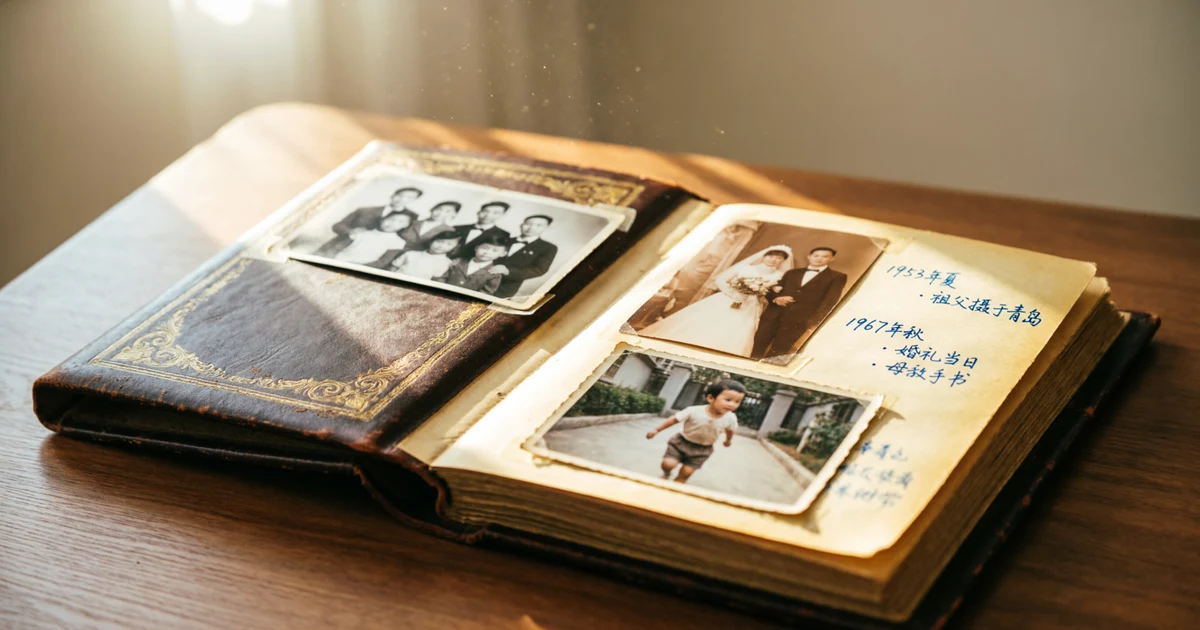
Memory can feel bright, heavy, warm, sharp, or far away. One memory may comfort you like sunlight, while another may follow you like a shadow. That variety makes memory a powerful subject for similes.
A simile for memory compares memory to something familiar using words such as like or as. It helps readers understand how a memory feels, not just what it contains.
In this guide, you will learn clear meanings, strong examples, and practical ways to use memory similes in school writing, poems, stories, personal essays, and emotional descriptions.
What a Simile for Memory Means in Simple Words
A simile for memory compares a memory to another thing so the reader can picture it more clearly.
For example:
Memory is like a photograph tucked inside the heart.
This simile shows that a memory can capture a moment and keep it close. It also gives the sentence warmth and feeling.
A simple memory simile usually answers one question:
What does this memory feel like?
It may feel like:
- A photograph when it stays clear
- A shadow when it follows someone
- A river when it keeps moving
- A treasure chest when it holds something precious
- A book when it stores many stories
A good simile does more than sound pretty. It helps the reader understand the emotion behind the memory.
Why Writers Use Similes to Describe Memory
Writers use similes for memory because memory does not have one fixed shape. You cannot hold it in your hand, but you can feel its weight. You can lose part of it, return to it, or carry it for years.
Similes make those feelings easier to understand.
Instead of writing:
She remembered her grandmother clearly.
You could write:
Her memory of her grandmother stayed as clear as a bell on a quiet morning.
The second sentence gives the reader sound, clarity, and emotion.
Writers use memory similes to:
- Show nostalgia
- Create emotional depth
- Make abstract ideas easier to picture
- Add beauty to poems and stories
- Help readers connect with personal feelings
A strong simile can turn a plain sentence into one that stays with the reader.
Best Similes for Memory With Clear Meanings
Here are some of the best similes for memory with simple meanings.
Memory is like a photograph in the mind.
Meaning: It captures a moment and keeps it visible.
Example: The memory of her first school day stayed like a photograph in her mind.
Memory is like a treasure chest.
Meaning: It holds valuable moments from the past.
Example: His childhood memories sat in his heart like a treasure chest full of small golden things.
Memory is like a mirror.
Meaning: It reflects the past and helps someone see old moments again.
Example: Her memory worked like a mirror, bringing back the face she had tried to forget.
Memory is like a river.
Meaning: It keeps flowing and changing over time.
Example: His memories moved like a river, carrying old voices through the years.
Memory is like a shadow.
Meaning: It stays close, even when someone tries to move on.
Example: The memory followed him like a shadow through every quiet street.
Each simile gives memory a different mood. A photograph feels clear. A treasure chest feels precious. A shadow feels haunting.
Simple Similes for Memory Students Can Use
Students often need clear and easy similes for essays, worksheets, stories, or poems. The best student friendly similes use familiar images.
Here are simple examples:
- My memory is like a camera.
- Her memory was as bright as the sun.
- His memory was like a book full of old stories.
- The memory stayed like a song in my head.
- The memory faded like chalk in the rain.
- My childhood memories are like stars in the night sky.
- The memory came back like a wave.
- Her voice stayed in my mind like music.
- That day remains like a picture on the wall.
- The old memory felt as warm as a blanket.
Students should choose a simile that matches the feeling of the sentence. A happy memory needs a warm image. A sad memory needs a softer or darker image.
For example:
Happy: The memory shone like a candle in a dark room.
Sad: The memory sat in my chest like a stone.
Both similes describe memory, but each one creates a different emotion.
Beautiful Similes for Memory in Descriptive Writing
Descriptive writing needs images that help readers see, feel, and imagine the scene. Beautiful memory similes often use nature, light, music, or small personal objects.
Examples:
Memory is like sunlight on an old window.
This simile suggests warmth, age, and quiet beauty.
Memory is like a song carried by the wind.
This one feels gentle and emotional. It works well for a memory that returns unexpectedly.
Memory is like a flower pressed between pages.
This simile shows something delicate, preserved, and meaningful.
Memory is like moonlight on still water.
This creates a calm and reflective mood.
Memory is like a lantern in the heart.
This suggests that a memory can guide or comfort someone.
You can use these similes in personal essays, memoir style writing, poems, or emotional story scenes.
Example sentence:
The memory of that summer evening glowed like a lantern in my heart, soft but impossible to ignore.
Emotional Similes for Memories of Loved Ones
Memories of loved ones often carry tenderness, grief, comfort, and longing. A good simile can show love without making the sentence feel too heavy.
Examples:
Her memory rests in my heart like a warm hand on my shoulder.
This shows comfort and closeness.
His memory stays with me like a familiar song.
This shows that the person still feels present.
The memory of my mother is like a candle that never goes out.
This shows lasting love and emotional warmth.
Her laughter remains like sunlight in an old room.
This gives the memory brightness and softness.
His words return like gentle rain after a long dry season.
This suggests healing and comfort.
These similes work well in tribute writing, sympathy messages, poems, memoirs, and reflective essays.
Example:
The memory of my grandfather stayed with me like a steady lamp, quiet but always there when I needed courage.
Sad Similes for Painful Memories
Painful memories need careful language. The best sad similes avoid drama and focus on honest feeling.
Examples:
The memory hurt like a thorn under the skin.
This shows pain that stays quietly present.
The memory sat in her chest like a heavy stone.
This shows emotional weight.
His memory returned like thunder on a clear day.
This shows sudden pain.
The memory clung to him like smoke in his clothes.
This shows how sadness can linger.
That day stayed in my mind like a locked door.
This suggests pain, silence, and distance.
Sad memory similes work best when they feel specific. Instead of saying a memory was bad, show how it affected the person.
Plain sentence:
He could not forget the accident.
Stronger sentence:
The memory of the accident stayed in him like broken glass, sharp in places he could not see.
Happy Similes for Sweet Memories
Happy memories often feel warm, bright, light, or comforting. Similes for sweet memories should create joy without sounding forced.
Examples:
The memory felt like sunshine on my face.
This shows warmth and happiness.
That day stayed in my mind like a sweet song.
This suggests joy and rhythm.
The memory sparkled like lights at a fair.
This gives the sentence energy and excitement.
Her smile stayed with me like honey on the tongue.
This shows sweetness and pleasure.
The memory of our picnic felt as soft as a summer breeze.
This creates a peaceful and happy mood.
Happy memory similes work well in personal narratives, family stories, school essays, and creative writing.
Example:
The memory of my first bicycle ride still shines like a small sun in the corner of my mind.
Poetic Similes for Memory in Poems and Stories
Poetic similes for memory need rhythm, image, and emotion. They do not need long words. They need freshness.
Examples:
Memory is like a bird returning to the same branch.
This suggests return, habit, and emotional attachment.
Memory is like rain tapping on the roof of the heart.
This creates sound and mood.
Memory is like a pearl formed around a grain of pain.
This shows beauty growing from difficulty.
Memory is like a window lit from within.
This suggests something old that still glows.
Memory is like a garden where time keeps blooming.
This shows growth, change, and beauty.
In stories, poetic similes can reveal a character’s inner life.
Example:
Every memory of home rose in her like a bird returning to a branch it had never truly left.
This kind of sentence works because the image supports the emotion.
Powerful Similes That Show Memory Lasting Forever
Some memories stay with us for life. They shape choices, beliefs, fears, and hopes. Similes for lasting memory often use strong images like stone, ink, stars, roots, or fire.
Examples:
The memory stayed like ink on the soul.
This shows permanence.
That moment remained like a carving in stone.
This suggests strength and lasting detail.
Her promise lived in my mind like a star that never faded.
This shows beauty and endurance.
The memory grew roots in his heart like an old tree.
This suggests deep emotional attachment.
That day burned in his mind like a flame behind glass.
This shows intensity that continues over time.
These similes fit serious writing, character development, memoirs, and emotional essays.
Example:
The memory of her kindness stayed like ink on my soul, shaping the way I treated others years later.
Similes for Memory Like a Photograph
A photograph simile works well when a memory feels clear, fixed, or visual. It suggests that the mind captures a moment and keeps it for later.
Examples:
The memory stayed like a photograph in my mind.
Her face remained as clear as a photograph.
That afternoon sat in my memory like an old picture in a silver frame.
His smile came back like a photograph pulled from a drawer.
The memory flashed before me like a picture under bright light.
Use this type of simile when you want to describe:
- A clear memory
- A specific moment
- A person’s face
- A scene from childhood
- A moment someone cannot forget
Example:
The memory of my father waving from the train platform stayed like a photograph in my mind, clear even after many years.
Similes for Memory Like a Treasure Chest
A treasure chest simile works well for memories that feel precious. It suits family moments, childhood experiences, friendships, love, and meaningful life events.
Examples:
Her memories were like a treasure chest full of golden moments.
My childhood sat in my heart like a treasure chest.
Each memory opened like a jewel in an old box.
His stories filled my mind like coins in a treasure chest.
The memory of that day felt like a hidden gem.
This simile creates a sense of value. It tells the reader that the memory matters deeply.
Example:
The memory of our old home rested in me like a treasure chest, full of voices, smells, and small moments I never wanted to lose.
Similes for Memory Like a Mirror
A mirror simile works when memory reflects the past. It can show truth, regret, beauty, or self discovery.
Examples:
Memory is like a mirror that shows us who we were.
Her memory of that day reflected the past like a clear mirror.
The old memory stood before him like a mirror.
His childhood memories worked like a mirror, showing him the boy he used to be.
Memory can shine like a mirror or crack like one.
This type of simile helps when a character looks back and learns something.
Example:
The memory stood before her like a mirror, showing not only what happened but also how much she had changed.
Similes for Memory Like a River
A river simile fits memories that move, change, or carry emotions across time. It works well for life stories, growing up, grief, and nostalgia.
Examples:
Memory flows like a river through the mind.
His memories moved like a river after rain.
The past returned like a river breaking through a gate.
Her memories carried her like a river toward home.
Old moments drifted through him like leaves on water.
A river simile can show both peace and power. A gentle river can suggest calm reflection. A flooded river can suggest overwhelming emotion.
Example:
Her memories flowed like a river, sometimes quiet, sometimes wild, but always moving toward the same place in her heart.
Similes for Memory Like a Book
A book simile works well when memory holds stories, lessons, chapters, and details. It suits school writing, reflective essays, and life stories.
Examples:
Memory is like a book filled with pages from the past.
His mind opened like a book of old stories.
Each memory turned like a page.
Her childhood felt like a book she could open whenever she missed home.
The memory sat in him like a chapter he had never finished.
This simile gives memory structure. It can show that life contains chapters, some joyful and some painful.
Example:
His memory of the old town opened like a book, page after page filled with faces, streets, and voices he thought he had forgotten.
Similes for Memory Like a Shadow
A shadow simile works when a memory follows someone. It often suggests sadness, guilt, fear, longing, or a past that never fully leaves.
Examples:
The memory followed him like a shadow.
Her grief stayed like a shadow at her side.
That mistake moved through his life like a long shadow.
The memory stretched behind her like a shadow at sunset.
His past clung to him like a shadow in dim light.
Use this simile when memory feels unavoidable. It can create a serious or haunting tone.
Example:
The memory followed him like a shadow, quiet during busy hours but clear whenever the world grew still.
Similes for Fading Memories
Fading memories need soft images. They often feel distant, blurred, or fragile. Good similes for fading memories use mist, smoke, old ink, dust, or sound.
Examples:
The memory faded like writing left in the sun.
Her face in my mind blurred like a picture in rain.
The memory disappeared like smoke in the air.
His voice grew faint like music from another room.
The old day drifted away like mist over a field.
Fading memory similes work well when someone struggles to remember a face, place, feeling, or moment from long ago.
Example:
The memory of that winter morning faded like chalk in rain, leaving only a few pale marks behind.
Similes for Childhood Memories
Childhood memories often feel warm, playful, bright, or bittersweet. They may include home, school, family, games, food, seasons, and small discoveries.
Examples:
My childhood memories are like fireflies in a jar.
This suggests magic and light.
Those memories feel like warm bread from the oven.
This creates comfort and home.
My childhood returns like the smell of rain on dry ground.
This shows sudden nostalgia.
The memory of our old street shines like a marble in sunlight.
This feels small, bright, and personal.
Childhood memories sit in my mind like toys in an old wooden box.
This suggests innocence and the passage of time.
Example:
My childhood memories glow like fireflies in a jar, small and bright, each one carrying a piece of a simpler world.
Example Sentences Using Memory Similes
Here are practical sentence examples you can use for inspiration.
- The memory of her voice stayed with me like a song I never wanted to end.
- His childhood memories opened like a book filled with sunlight and dust.
- That painful moment sat in her heart like a stone.
- The memory of our last meeting shone like a candle in a dark room.
- My grandmother’s smile remains as clear as a photograph.
- The old memory drifted back like smoke from a distant fire.
- His past followed him like a shadow through every new city.
- The memory of home flowed through her like a quiet river.
- That summer stayed in my mind like honey on the tongue.
- The memory faded like ink washed by rain.
- Her words returned like birds to a familiar tree.
- My first day at school still sparkles like a light in my mind.
- The memory of that loss cut like glass under the skin.
- His promise stayed like a star in a dark sky.
- The memory of childhood rested in me like a treasure chest.
These examples show how one topic can create many moods. Choose the simile that matches your message.
How to Choose the Right Simile for Memory
To choose the right simile for memory, think about the emotion first.
Ask yourself:
- Does the memory feel happy or sad?
- Does it feel clear or faded?
- Does it comfort the person or hurt them?
- Does it return suddenly or stay all the time?
- Does it belong to childhood, love, family, grief, or regret?
Then choose an image that matches that feeling.
1-For a clear memory, use:
- Photograph
- Mirror
- Bell
- Window
2-For a precious memory, use:
- Treasure chest
- Jewel
- Lantern
- Keepsake
3-For a painful memory, use:
- Stone
- Thorn
- Glass
- Shadow
4-For a fading memory, use:
- Smoke
- Mist
- Chalk
- Old ink
A good simile should feel natural in the sentence. It should not distract the reader. It should help the reader feel the memory more deeply.
Conclusion
A simile for memory helps turn an invisible feeling into a clear image. Memory can feel like a photograph when it stays sharp, like a treasure chest when it feels precious, like a river when it keeps moving, or like a shadow when it refuses to leave.
The best memory similes match the emotion behind the moment. A sweet memory needs warmth. A painful memory needs weight. A fading memory needs softness. When you choose the right comparison, your writing gains feeling, clarity, and depth.
Use these examples as starting points, then shape them around your own scene, poem, essay, or story.
FAQs
What is a simile for memory?
A simile for memory compares memory to something familiar using like or as. For example, memory is like a photograph in the mind.
What is a good simile for a clear memory?
A good simile for a clear memory is, “The memory stayed as clear as a photograph.” It shows sharp detail and strong recall.
What is a sad simile for memory?
A sad simile for memory is, “The memory sat in her chest like a stone.” It shows emotional weight and pain.
What is a happy simile for memory?
A happy simile for memory is, “The memory felt like sunshine on my face.” It shows warmth, joy, and comfort.
What is a poetic simile for memory?
A poetic simile for memory is, “Memory is like moonlight on still water.” It creates a calm and reflective mood.
What is a simile for fading memory?
A strong simile for fading memory is, “The memory faded like chalk in the rain.” It shows something slowly disappearing.
What is a simile for childhood memories?
A good simile for childhood memories is, “My childhood memories glow like fireflies in a jar.” It feels bright, gentle, and nostalgic.
Can I use memory similes in school essays?
Yes, you can use memory similes in school essays. Choose simple comparisons that make your meaning clear and support your topic.
How do I write my own memory simile?
Think about how the memory feels, then compare it to something with the same mood. For example, a painful memory may feel like a thorn.
What is the best simile for memory?
The best simile depends on the emotion. One strong option is, “Memory is like a book filled with pages from the past.”