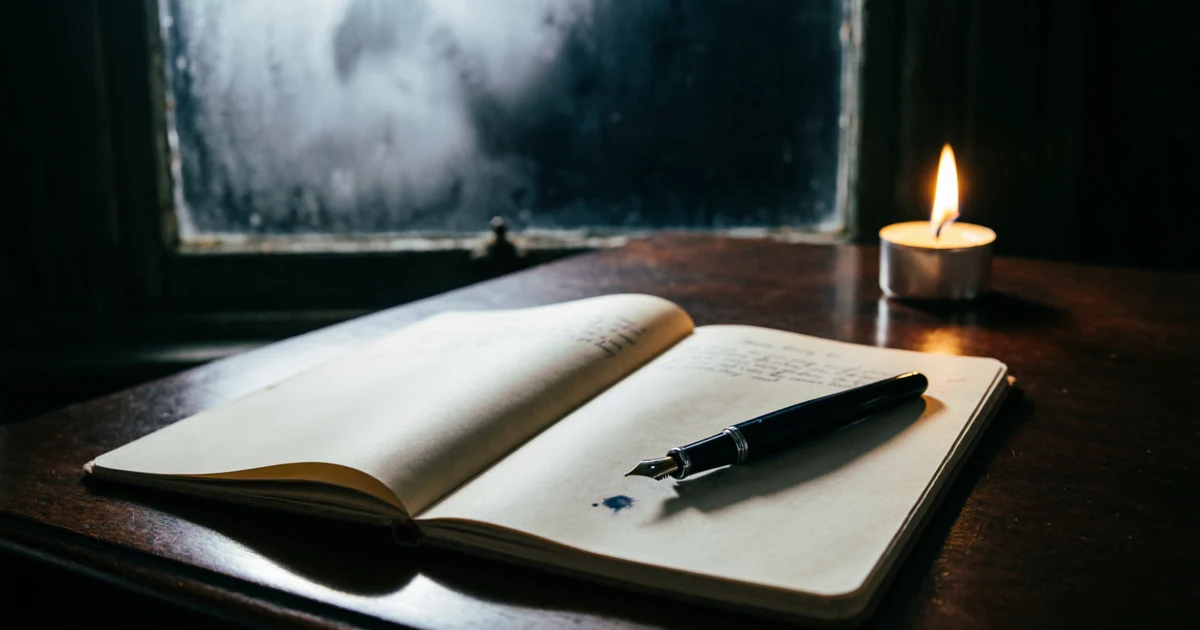
A good horror scene does not only tell readers that something feels scary. It makes them feel the cold room, hear the small sound in the dark, and sense danger before anything appears. A strong simile can help you create that feeling fast.
A simile compares one thing to another using like or as. In horror writing, it can make fear, darkness, silence, ghosts, monsters, blood, and suspense feel more vivid. Instead of writing the room was scary, you can write the room felt as still as a grave before the first shovel strikes the soil.
In this guide, you will learn what a simile for horror writing means, how scary similes work, and how to use them in stories, essays, poems, and creative writing. You will also find many dark examples with clear meanings so you can choose the right comparison for your scene.
What a Simile for Horror Writing Means
A simile for horror writing compares a scary person, place, feeling, sound, or event to something that creates fear in the reader’s mind.
For example:
- Her scream rose like a knife scraping glass.
- The hallway stretched ahead like the throat of some sleeping beast.
- His face looked as pale as moonlight on a corpse.
Each example gives the reader a clear image. The scream does not only sound loud. It sounds sharp and painful. The hallway does not only look long. It feels alive and dangerous. The face does not only look pale. It feels linked to death.
Horror similes often compare things to:
- Graves
- Blood
- Shadows
- Rot
- Cold rooms
- Dead animals
- Storms
- Bones
- Knives
- Empty houses
- Strange sounds
A good horror simile does more than decorate a sentence. It adds mood, tension, and meaning.
Why Similes Make Horror Scenes Feel More Intense
Horror depends on imagination. Readers fear what their minds can picture. A simile gives that imagination a strong shape.
Compare these two sentences:
The room was quiet.
The room was as quiet as a coffin buried under fresh snow.
The second sentence gives silence a colder, heavier feeling. It makes the room feel sealed, lifeless, and unnatural.
Similes make horror scenes stronger because they:
- Create clear mental pictures
- Add emotional pressure
- Turn normal objects into threats
- Make fear feel physical
- Slow the reader down at tense moments
- Suggest danger before it arrives
A horror writer should not fill every line with similes. Too many comparisons can weaken the fear. The best horror similes appear at key moments when the reader needs to feel dread, shock, or suspense.
Best Similes for Horror Writing With Clear Meanings
Here are strong horror similes with simple meanings.
- The wind scratched at the windows like fingernails on a coffin lid.
1-Meaning: The wind sounds creepy and human, almost as if something wants to come inside.
- His smile spread like a crack across old bone.
2-Meaning: The smile feels unnatural, fragile, and disturbing.
- The basement smelled like wet earth inside a grave.
3-Meaning: The basement feels damp, buried, and linked to death.
- The candle flame shook like a frightened eye.
4-Meaning: The candle adds fear to the scene because even the light seems afraid.
- The trees leaned over the path like silent witnesses.
5-Meaning: The setting feels watchful and tense.
- Her breath came out like smoke from a dying fire.
6-Meaning: The character feels weak, cold, or near collapse.
- The door opened slowly, like a mouth learning how to scream.
7-Meaning: The door feels alive and dangerous.
These examples work because they connect ordinary things to frightening images. A door, tree, flame, or smile can become scary when the comparison carries the right mood.
Scary Similes for Describing Fear
Fear changes the body. It affects breathing, skin, heartbeat, movement, and thoughts. A strong simile can show fear without saying the character felt afraid.
Examples:
- Fear crawled through him like spiders under his skin.
- Her hands shook like leaves trapped in a storm.
- His heart beat like a fist against a locked door.
- She stood frozen, as stiff as a body under a white sheet.
- Panic spread through the room like smoke from a hidden fire.
- His stomach twisted like a rope pulled too tight.
- Her voice broke like thin ice under a heavy step.
These similes show fear through action and sensation. They let the reader experience the emotion through the character’s body.
For stronger writing, connect the simile to the exact type of fear:
- Use spiders, crawling, and skin for disgust.
- Use locked doors and trapped animals for panic.
- Use ice, stone, and sheets for shock.
- Use smoke, fire, and storms for rising danger.
Dark Similes for Building Suspense
Suspense grows when the reader senses that something bad may happen soon. Similes can help you stretch that feeling.
Examples:
- The silence thickened like black oil.
- The hallway waited like a trap with no teeth showing.
- The clock ticked like a nail tapping inside a wall.
- The shadows gathered like mourners around a grave.
- The air felt as heavy as a secret no one dared speak.
- The room held its breath like a child hiding from a monster.
- The dark corner watched her like an eye without a face.
Suspense similes should not reveal too much. They should suggest danger, not explain everything. The reader should feel that something hides nearby, even when nothing moves yet.
A good suspense simile often answers one question:
What does this moment feel like before the horror begins?
Creepy Similes for Describing a Haunted Place
A haunted place needs atmosphere. It should feel wrong before the ghost appears. Similes help turn walls, floors, windows, and rooms into signs of hidden fear.
Examples:
- The house stood at the end of the road like a dead man waiting upright.
- The wallpaper peeled like old skin.
- The staircase groaned like bones under weight.
- The windows stared like blind eyes.
- The attic smelled like a memory left to rot.
- The floorboards bent like tired ribs.
- The porch sagged like a mouth with missing teeth.
These comparisons make the place feel almost alive. A haunted house works best when readers feel that the building remembers something terrible.
You can use similes to describe:
- How the house looks
- How the air smells
- How the floor sounds
- How the rooms feel
- How the light changes
- How the place reacts to the character
A haunted setting should never feel empty. Even silence should feel like someone listens.
Horror Similes for Describing Silence
Silence can scare readers more than noise. In horror, silence often means something waits nearby.
Examples:
- The silence lay over the room like dust on a coffin.
- The forest fell quiet like a crowd before an execution.
- The hallway grew silent as a mouth sewn shut.
- The night pressed around them like a hand over a scream.
- The pause stretched like a shadow at sunset.
- The silence felt as cold as a stone in a dead hand.
- The house went quiet like it had swallowed its own breath.
Silence works well when you make readers expect sound. A ticking clock that stops, a dog that quits barking, or a floorboard that suddenly stays still can create instant fear.
To write silence well, focus on contrast:
- What sound did the character hear before?
- Why does its absence feel wrong?
- What might the silence hide?
Similes for Describing Darkness in Horror Stories
Darkness creates fear because it hides shape, distance, and danger. A good darkness simile should make the reader feel trapped or watched.
Examples:
- Darkness filled the room like ink poured into water.
- The night wrapped around the house like a burial cloth.
- Shadows crawled across the floor like black insects.
- The tunnel stretched ahead like the inside of a closed throat.
- The corner looked as dark as a grave with no moon above it.
- The woods swallowed the path like a mouth without teeth.
- The basement darkened like bruised skin.
Darkness does not always need monsters. Sometimes the fear comes from not knowing what the darkness covers.
Use different types of darkness for different effects:
- Soft darkness can feel sad or lonely.
- Thick darkness can feel suffocating.
- Moving darkness can feel alive.
- Sudden darkness can create shock.
- Distant darkness can create mystery.
Disturbing Similes for Monsters and Creatures
A monster should feel unnatural. Similes can show that something has the wrong shape, movement, smell, or sound.
Examples:
- Its arms hung like broken branches.
- Its teeth shone like wet needles.
- It moved like a spider wearing a human body.
- Its skin stretched like old leather over sticks.
- Its eyes glowed like coals in a pit.
- Its breath smelled like meat left in the sun.
- Its fingers curled like hooks searching for flesh.
Monster similes work best when they focus on one strong detail. Do not describe every part at once. Choose the image that scares the reader most.
Strong monster details include:
- Teeth
- Eyes
- Hands
- Skin
- Movement
- Breath
- Voice
- Smell
A creature feels more frightening when it resembles something familiar but not quite human.
Similes for Ghosts, Shadows, and Strange Figures
Ghosts and shadowy figures need a different kind of fear. They often scare readers through uncertainty rather than violence.
Examples:
- The ghost drifted like smoke with a memory inside it.
- The figure stood in the doorway like a stain the light could not remove.
- The shadow slid along the wall like spilled ink.
- Her white dress floated like mist over a graveyard.
- The shape moved like a thought he could not escape.
- The face hovered like a moon seen through dirty glass.
- The figure vanished like breath on a winter mirror.
These similes create a soft but unsettling mood. They avoid heavy detail because ghosts often scare us through what we cannot fully see.
For ghost writing, use comparisons linked to:
- Smoke
- Mist
- Moonlight
- Glass
- Breath
- Dust
- Reflections
- Old photographs
Ghost similes should feel delicate, strange, and sad.
Horror Similes for Describing a Character’s Face
A face can reveal fear, guilt, madness, evil, or shock. Horror similes help you show these emotions through skin, eyes, lips, and expression.
Examples:
- His face looked as pale as candle wax.
- Her eyes widened like doors opening into darkness.
- His grin split his face like a wound.
- Her cheeks sank like the walls of an empty house.
- His lips trembled like worms after rain.
- Her expression hardened like stone over a grave.
- His stare felt as cold as a knife left in snow.
A face simile should match the character’s role. A victim’s face may show panic or helplessness. A villain’s face may show hunger, cruelty, or calm.
Good facial horror often comes from small details:
- A smile that lasts too long
- Eyes that do not blink
- Skin that loses color
- Lips that move without sound
- A stare that follows someone in the dark
Similes for Panic, Dread, and Nervous Breathing
Panic moves fast. Dread moves slowly. Nervous breathing sits between both. Similes can show the exact emotional pace.
1-Examples for panic:
- Her breath came fast like a trapped bird beating against glass.
- His thoughts scattered like rats under sudden light.
- Panic hit him like cold water in the lungs.
- She ran like the dark had teeth.
2-Examples for dread:
- Dread settled in his chest like a stone in deep water.
- The fear grew slowly like mold behind a wall.
- The thought followed her like footsteps in an empty street.
3-Examples for nervous breathing:
- His breath shook like paper near a flame.
- Each inhale scraped his throat like dry leaves.
- Her breathing sounded like a match about to go out.
Use quick, sharp similes for panic. Use slow, heavy similes for dread. This difference helps the scene feel more controlled and real.
Violent Similes for Blood, Pain, and Danger
Horror often includes blood, pain, and danger, but strong writing does not need endless gore. A sharp simile can create impact without overloading the scene.
Examples:
- Blood spread across the floor like dark wine from a broken cup.
- Pain shot through his arm like a wire pulled tight.
- The cut opened like a red mouth.
- The knife flashed like lightning in a locked room.
- Blood dotted her sleeve like roses on a funeral dress.
- The wound burned like fire under the skin.
- Danger moved toward them like a storm with no thunder.
Violent similes should serve the scene. They should not appear only to shock. Use them when the moment needs fear, urgency, or emotional weight.
For safer and stronger writing, focus on:
- The character’s reaction
- The danger in the room
- The sound of movement
- The smell of blood
- The speed of the threat
- The emotional cost of the moment
Psychological Horror Similes for Madness and Fear
Psychological horror focuses on the mind. It creates fear through doubt, obsession, guilt, paranoia, and inner collapse.
Examples:
- His thoughts circled like flies around something dead.
- Her memory flickered like a candle in a sealed room.
- Doubt grew in him like a worm inside fruit.
- The voice in his head whispered like dry leaves under a door.
- His sanity cracked like glass under slow pressure.
- Guilt followed her like a shadow with its own heartbeat.
- The room tilted in his mind like a picture hung by a single nail.
These similes work because they make invisible fear visible. The reader cannot see madness, but they can picture cracked glass, worms, flies, and flickering candles.
Psychological horror similes should feel intimate. They should take readers inside the character’s thoughts and make reality feel unstable.
Gothic Similes for Old Houses, Graveyards, and Storms
Gothic horror often uses old buildings, ruined places, graveyards, fog, storms, candles, and family secrets. Similes can help you create that classic dark mood.
Examples:
- The mansion rose from the hill like a tomb too proud to sink.
- The graveyard slept under the fog like a town of forgotten names.
- Thunder rolled over the roof like stones dragged across heaven.
- The curtains moved like black veils in a mourning room.
- The moon hung above the chapel like a silver coin for the dead.
- The iron gate creaked like an old throat clearing a warning.
- Rain slid down the windows like tears on a corpse’s face.
Gothic similes often feel elegant, heavy, and dramatic. They suit stories about haunted families, old curses, forbidden rooms, buried secrets, and tragic ghosts.
Use gothic similes when your scene needs beauty mixed with fear.
Short Horror Similes Students Can Use
Students often need simple horror similes for assignments, paragraphs, or creative writing practice. Short similes work well because they stay clear and easy to understand.
Examples:
- as cold as a grave
- as dark as a sealed cave
- as quiet as a tomb
- as pale as a ghost
- as sharp as a scream
- as still as a corpse
- as black as spilled ink
- as thin as a whisper
- as heavy as fear
- as sudden as a scream
- like spiders on skin
- like shadows in water
- like bones in a box
- like smoke in a hallway
- like teeth in the dark
Students can use these similes in sentences like:
- The room felt as cold as a grave.
- His voice came out like smoke in a hallway.
- The night was as black as spilled ink.
Simple similes often work better than complicated ones because readers understand them right away.
Powerful Horror Simile Sentences for Story Openings
A horror opening should create curiosity and tension quickly. A simile can help the first line feel memorable.
Examples:
- The house at the end of Miller Road stood like a warning no one wanted to read.
- The first scream cut through the night like a saw through bone.
- The fog rolled across the cemetery like breath from the dead.
- My mother’s bedroom smelled like flowers left too long beside a coffin.
- The mirror watched me like it knew my name.
- The old well opened in the yard like a black eye in the earth.
- The candle flame bent toward the hallway like it had heard footsteps.
- The attic door hung open like a mouth waiting for a secret.
A good horror opening should raise a question. Who screamed? Why does the mirror seem alive? What hides in the attic? The simile should make the reader want the next sentence.
How to Use Horror Similes Without Overwriting
Horror loses power when every sentence tries too hard. A simile should sharpen a moment, not crowd it.
Weak example:
The dark room was like a grave, like a cave, like a monster’s mouth, and like a pool of black ink.
Better example:
The room felt as dark as a grave with the lid nailed shut.
The better version chooses one image and lets it breathe.
To avoid overwriting:
- Use one strong simile at a tense moment.
- Match the comparison to the mood.
- Avoid mixing too many images.
- Keep the sentence clear.
- Do not explain the simile after writing it.
- Cut any comparison that sounds forced.
- Let action and dialogue carry part of the fear.
Ask yourself one simple question:
Does this simile make the scene scarier or only make the sentence longer?
Common Mistakes Writers Make With Horror Similes
Writers often weaken horror similes by choosing comparisons that feel too common, too dramatic, or too confusing.
Common mistakes include:
- Using clichés such as as white as a ghost too often
- Adding too many similes in one paragraph
- Choosing funny comparisons in serious scenes
- Comparing fear to something that does not fit the setting
- Explaining the meaning after the simile
- Making every description sound extreme
- Using beautiful language when the scene needs raw fear
Weak example:
His fear was like a big scary thing inside him.
Stronger example:
Fear crawled up his spine like cold fingers.
The stronger line gives the reader a physical sensation. It also creates a creepy image without explaining too much.
Good horror similes should feel specific. They should suit the scene, the character, and the kind of fear you want to create.
Practice Ideas for Writing Better Horror Similes
Practice helps you write similes that feel natural instead of forced. Start with one horror detail and compare it to something that carries the same feeling.
Try these exercises:
- Describe darkness without using the word dark.
- Describe fear through the body.
- Describe a haunted house as if it can breathe.
- Describe silence as if it hides something.
- Describe a monster using only three details.
- Rewrite a plain sentence with one strong simile.
- Take a happy image and make it disturbing.
- Compare a normal object to something deadly.
Practice sentence:
The hallway was quiet.
Possible horror similes:
- The hallway was as quiet as a mouth before a scream.
- The hallway waited like a trap in the dark.
- The hallway stretched ahead like a throat with no voice.
Each version creates a different feeling. The first suggests shock. The second suggests danger. The third suggests something unnatural.
The more you practice, the easier it becomes to choose comparisons that fit your story.
Conclusion
A strong simile for horror writing helps readers see fear, feel tension, and enter the scene with their senses. It can turn a dark hallway into a throat, a quiet room into a coffin, and a simple shadow into something that seems alive.
The best horror similes stay clear, specific, and connected to the mood. They do not only sound scary. They help the reader understand what the character feels and why the moment matters.
Use scary similes when you want to deepen fear, build suspense, describe darkness, create monsters, or open a horror story with impact. Choose one strong comparison at the right moment, and let it do its work.
FAQs
What is a simile for horror writing?
A simile for horror writing compares a scary thing, feeling, place, or sound to another image using like or as. It helps the reader picture fear more clearly.
What is a good simile for fear?
A good simile for fear is fear crawled through him like spiders under his skin. It shows fear as something physical, creepy, and hard to escape.
What is a scary simile for darkness?
A scary simile for darkness is darkness filled the room like ink poured into water. It makes the darkness feel thick, spreading, and hard to see through.
What is a horror simile for silence?
A strong horror simile for silence is the silence lay over the room like dust on a coffin. It connects quietness with death and stillness.
How do similes improve horror stories?
Similes improve horror stories by creating clear images, stronger mood, and deeper suspense. They help readers feel fear instead of only reading about it.
What is a creepy simile for a haunted house?
A creepy simile for a haunted house is the house stood at the end of the road like a dead man waiting upright. It makes the house feel lifeless but watchful.
Can students use horror similes in creative writing?
Yes. Students can use horror similes to make stories, paragraphs, and poems more vivid. Simple examples like as quiet as a tomb work well.
What makes a horror simile effective?
A horror simile works well when it matches the scene, creates a clear image, and adds fear without confusing the reader.
Should horror writing use many similes?
No. Horror writing works better with a few strong similes. Too many comparisons can slow the scene and weaken the fear.
What is a good horror simile for a monster?
A good horror simile for a monster is it moved like a spider wearing a human body. It makes the creature feel strange, unnatural, and frightening.

Alexa Xolen is a humor writer at Punjokevault.com, creating witty jokes and clever puns to make your day brighter. She loves spreading smiles, one laugh at a time.