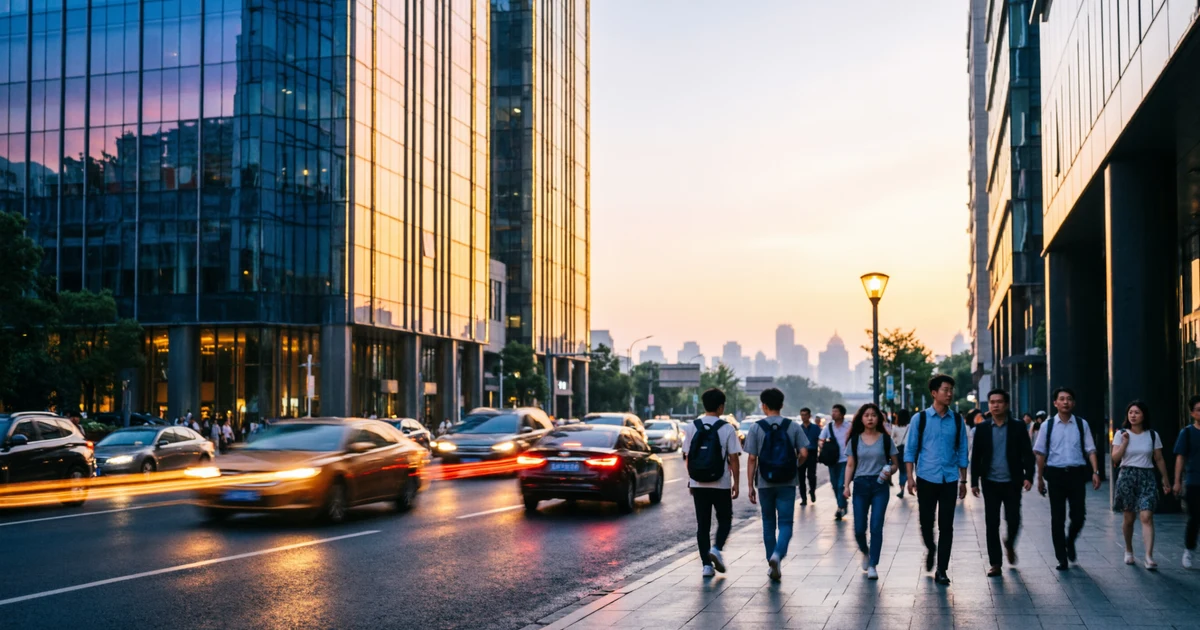
City life moves with a rhythm that feels hard to ignore. Streets hum, lights flash, people hurry, traffic crawls, and every corner seems full of sound and motion. A good simile helps you describe that world in a way readers can see, hear, and feel.
In this guide, you will learn clear and creative similes for city life. You will find meanings, examples, sentence ideas, and writing tips for essays, stories, poems, and everyday descriptions. These examples will help students, writers, and ESL learners describe urban life with more color and confidence.
What Simile for City Life Means in Simple Words
A simile for city life compares life in a city to something else using words such as like or as. It helps explain the speed, sound, crowd, beauty, pressure, or excitement of urban living.
A city can feel busy, bright, noisy, inspiring, tiring, or alive. Similes make these feelings easier to understand.
Common ideas behind city life similes include:
- Movement
City life can move like a river because people and cars keep flowing. - Noise
A city can sound like a drum because traffic, voices, and machines create a steady beat. - Crowds
A street can feel like an anthill because many people move in different directions. - Light
City lights can shine like stars because buildings, shops, and cars glow at night. - Pressure
Urban life can feel like a race because everyone seems to rush toward something.
A simile does not only describe the city. It also shows how the speaker feels about it.
Why Writers Use Similes to Describe City Life
Writers use similes for city life because cities contain many layers. A simple sentence such as the city was busy tells the reader very little. A stronger sentence such as the city moved like a restless river creates a clear image.
Similes help writers show:
- The mood of a place
A city can feel exciting, lonely, magical, stressful, or full of hope. - The pace of daily life
Similes can show whether the city feels fast, slow, chaotic, or smooth. - The sound of the environment
Traffic, footsteps, horns, conversations, and sirens all shape the city atmosphere. - The personality of the city
Some cities feel elegant. Some feel rough. Some feel warm and full of life.
For example, a writer might say:
The city breathed like a giant waking up.
This sentence gives the city a living quality. It helps readers imagine early morning movement, opening shops, rising noise, and the start of a busy day.
Best Similes for City Life With Clear Meanings
Here are some strong similes for city life with simple meanings and examples.
- City life is like a river that never stops flowing
Meaning: The city always has movement.
Example: City life is like a river that never stops flowing, carrying workers, students, and dreamers through its streets. - City life is as loud as a festival street
Meaning: The city feels full of sound and activity.
Example: At noon, city life felt as loud as a festival street, with horns, voices, and engines mixing together. - City life is like a machine with a thousand moving parts
Meaning: Many people and systems work together at the same time.
Example: City life is like a machine with a thousand moving parts, each person turning the day forward. - City life is as bright as a sky full of stars
Meaning: The city looks beautiful at night.
Example: From the rooftop, city life looked as bright as a sky full of stars. - City life is like a race with no finish line
Meaning: People always seem busy and rushed.
Example: For new workers, city life can feel like a race with no finish line. - City life is as crowded as a market before a holiday
Meaning: Many people fill the city spaces.
Example: The main road felt as crowded as a market before a holiday. - City life is like a song with too many instruments
Meaning: The city has mixed sounds and movement.
Example: City life is like a song with too many instruments, loud yet strangely beautiful.
Simple Similes for City Life for Students
Students need similes that sound clear, natural, and easy to understand. These examples work well in school essays and classroom writing.
- The city was as busy as a beehive.
Meaning: Many people worked and moved quickly. - The traffic moved like a slow snake.
Meaning: Cars moved slowly in a long line. - The streets shone like mirrors after the rain.
Meaning: Wet roads reflected lights. - The city sounded like a giant playground.
Meaning: It felt noisy and full of people. - The buildings stood like tall trees.
Meaning: The skyscrapers looked high and strong. - The crowd moved like a wave.
Meaning: Many people moved together. - The city lights sparkled like jewels.
Meaning: The lights looked bright and beautiful.
Students should choose similes that match the exact idea they want to show. A busy city street needs a different simile from a quiet city morning.
Similes for Busy City Streets
Busy city streets often show the strongest side of urban life. People walk quickly, cars fill the road, shops open their doors, and every sound adds to the scene.
Useful similes include:
- The street moved like a river after heavy rain.
This shows fast and heavy movement. - The sidewalk was as busy as an airport gate.
This shows people rushing in many directions. - Cars lined the road like beads on a string.
This creates a clear visual image of traffic. - The street buzzed like a hive at sunrise.
This shows energy and activity. - People crossed the road like fish swimming through a stream.
This shows smooth movement through a busy space.
Example paragraph:
The main street moved like a river after heavy rain. Office workers hurried past food carts, buses coughed at the curb, and shop signs flashed above the crowd. Every step brought a new sound.
This kind of description helps the reader enter the street instead of just reading about it.
Similes for the Noise of City Life
City noise can feel exciting, annoying, powerful, or overwhelming. A good simile helps describe the sound without using the same words again and again.
Strong examples include:
- The city sounded like a drum that never rested.
Meaning: The noise continued all day. - Horns cried like impatient birds.
Meaning: Car horns sounded sharp and frequent. - The traffic roared like a restless sea.
Meaning: The sound felt deep and powerful. - Voices rose like steam from the pavement.
Meaning: Human noise filled the air. - The train thundered like a storm under the ground.
Meaning: The train sounded loud and heavy. - The market shouted like a crowd at a match.
Meaning: The market felt loud and lively.
Example sentence:
At rush hour, the traffic roared like a restless sea, and every horn added another wave of sound.
Noise similes work best when they match the type of sound. A siren needs a sharp simile. Traffic needs a heavy one. A market needs a lively one.
Similes for Crowded Places in a City
Crowded city spaces can feel lively, stressful, warm, or confusing. Similes help describe the pressure and movement of people.
Useful examples include:
- The subway platform was as packed as a lunchbox.
Meaning: The space had no room left. - The crowd moved like a single body.
Meaning: People moved together as one mass. - The market was as crowded as a festival ground.
Meaning: Many people filled the area. - People gathered like birds around scattered grain.
Meaning: People quickly came together in one place. - The bus felt like a box full of folded umbrellas.
Meaning: The space felt tight and uncomfortable. - The station swelled like a balloon filling with air.
Meaning: More and more people arrived.
Example sentence:
By evening, the station swelled like a balloon filling with air, and every train brought another wave of passengers.
These similes help readers feel the closeness and movement of crowded city life.
Similes for Fast Moving City Life
Many people connect city life with speed. Work, school, transport, shopping, deadlines, and social plans can all make the city feel fast.
Good similes include:
- City life moves like a train racing past small stations.
Meaning: Life feels quick and hard to pause. - The morning rush ran like water down a steep hill.
Meaning: People moved quickly and naturally. - The city spun like a wheel in constant motion.
Meaning: Everything seemed active. - Her days in the city passed like pages in a fast book.
Meaning: Time moved quickly. - The crowd rushed like wind through a narrow street.
Meaning: People moved fast through limited space. - The week flew like a taxi through empty roads.
Meaning: Time passed quickly.
Example sentence:
His first week in the city flew like a taxi through empty roads, fast, bright, and difficult to catch.
Fast city similes work well in personal essays and stories about ambition, pressure, or change.
Similes for City Lights at Night
City lights create beauty, mystery, and emotion. They can make a city feel magical, lonely, romantic, or full of dreams.
Strong examples include:
- The city lights glittered like jewels on black cloth.
Meaning: The lights looked bright against the dark night. - Windows glowed like tiny lanterns in the sky.
Meaning: Lit windows looked warm and small. - The skyline sparkled like a crown.
Meaning: The city looked grand and beautiful. - Streetlights stood like golden moons.
Meaning: Streetlights gave soft yellow light. - Neon signs flashed like restless fireflies.
Meaning: The signs blinked and moved with color. - The road shone like a ribbon of silver.
Meaning: The road reflected city lights.
Example sentence:
After the rain, the road shone like a ribbon of silver, and the city lights glittered above it like jewels on black cloth.
These similes suit poems, travel writing, and descriptive essays.
Similes for Tall Buildings and Skyscrapers
Tall buildings shape the look of city life. They can feel powerful, cold, inspiring, or overwhelming.
Useful similes include:
- The skyscrapers stood like giants watching the streets.
Meaning: The buildings looked huge and powerful. - The towers rose like cliffs of glass.
Meaning: The buildings looked tall, smooth, and hard. - Office blocks lined the road like soldiers.
Meaning: The buildings looked straight and orderly. - The buildings stretched upward like hands reaching for the clouds.
Meaning: The buildings looked tall and ambitious. - The skyline looked like a row of sharp teeth.
Meaning: The city looked dramatic or intense. - The apartment blocks stood like stacked boxes.
Meaning: The buildings looked plain and crowded.
Example sentence:
The skyscrapers stood like giants watching the streets, their glass walls catching the morning sun.
Choose building similes based on mood. Giants can feel powerful. Cliffs can feel cold. Hands reaching upward can show hope.
Similes for Traffic and Daily Rush
Traffic often represents the stress and rhythm of city life. It can move slowly, stop suddenly, or fill the streets with noise.
Good examples include:
- Traffic crawled like a tired caterpillar.
Meaning: Cars moved very slowly. - Cars packed the road like coins in a jar.
Meaning: The road had too many vehicles. - The morning rush hit like a wave.
Meaning: Many people and cars arrived at once. - Buses moved like heavy animals through the street.
Meaning: Buses looked slow and large. - Taxis darted like yellow fish.
Meaning: Taxis moved quickly through traffic. - The red lights blinked like warning eyes.
Meaning: Traffic lights created a tense mood.
Example sentence:
Traffic crawled like a tired caterpillar while taxis darted like yellow fish between the lanes.
Traffic similes work well when you describe frustration, routine, or urban pressure.
Similes for People in a Busy City
People give a city its life. Their movement, expressions, and routines can create powerful images.
Useful examples include:
- Commuters moved like ants along the pavement.
Meaning: Many people moved quickly and purposefully. - Workers hurried like clocks with feet.
Meaning: People seemed ruled by time. - Shoppers flowed like water through the mall.
Meaning: People moved smoothly through the space. - Street vendors called out like birds at dawn.
Meaning: Vendors used lively, repeated calls. - Children ran like sparks through the park.
Meaning: Children moved with energy. - Strangers passed like shadows in a hallway.
Meaning: People moved close but stayed unknown.
Example paragraph:
Commuters moved like ants along the pavement, each one carrying a bag, a plan, and a private worry. Street vendors called out like birds at dawn, adding warmth to the hard rhythm of the morning.
People focused similes make city writing feel more human and believable.
Similes for City Life in the Morning
Morning city life often feels fresh but busy. Shops open, buses fill, workers hurry, and sunlight touches buildings.
Strong examples include:
- The city woke like a giant stretching its arms.
Meaning: The city slowly became active. - Buses arrived like clockwork birds.
Meaning: Buses came regularly and carried people. - Coffee shops buzzed like small hives.
Meaning: Cafes felt busy and warm. - Sunlight slipped between buildings like gold thread.
Meaning: Morning light looked thin and beautiful. - The streets filled like cups under a tap.
Meaning: People gradually filled the streets. - The morning crowd moved like a tide coming in.
Meaning: More people arrived with time.
Example sentence:
The city woke like a giant stretching its arms, and sunlight slipped between buildings like gold thread.
Morning similes can show hope, routine, ambition, and new beginnings.
Similes for City Life at Night
City life at night can feel exciting, peaceful, dangerous, romantic, or lonely. The mood depends on the scene.
Useful examples include:
- The night city glowed like a box of jewels.
Meaning: The lights looked bright and colorful. - Empty streets stretched like dark ribbons.
Meaning: Quiet roads looked long and dark. - Music spilled from cafes like warm light.
Meaning: Music created comfort and atmosphere. - The late train moved like a tired animal.
Meaning: The train felt slow and weary. - The skyline shimmered like a dream.
Meaning: The city looked beautiful and unreal. - Sirens cut the night like sharp glass.
Meaning: Sirens sounded sudden and harsh.
Example paragraph:
At night, the city glowed like a box of jewels. Music spilled from cafes like warm light, while empty side streets stretched like dark ribbons behind the main road.
Night similes help writers shift mood from everyday routine to mystery, beauty, or emotion.
Beautiful Similes for Urban Writing
Urban writing does not always need noise and stress. Cities also hold beauty, memory, culture, and quiet moments.
Beautiful similes include:
- The city bloomed like a garden of lights.
Meaning: The city looked bright and alive. - Rain painted the street like glass.
Meaning: Wet streets reflected the world. - The skyline rose like a promise.
Meaning: Tall buildings suggested hope and ambition. - The old neighborhood held stories like a worn book.
Meaning: The place felt full of history. - The evening air wrapped the city like silk.
Meaning: The atmosphere felt soft and calm. - The river beside the city shone like a silver path.
Meaning: The water looked bright and peaceful.
Example sentence:
The old neighborhood held stories like a worn book, with every doorway carrying a memory.
Beautiful city similes work well in reflective essays, poems, and literary descriptions.
Funny Similes for City Life That Sound Natural
Funny similes can make city writing more lively, but they should still make sense. The best funny similes sound familiar and easy to picture.
Examples include:
- The bus was as crowded as a drawer full of socks.
Meaning: The bus felt packed and messy. - Traffic moved like a sleepy turtle with a heavy bag.
Meaning: Traffic moved very slowly. - The elevator was as silent as a room after a bad joke.
Meaning: People felt awkward and quiet. - The city pigeons acted like tiny street bosses.
Meaning: Pigeons seemed confident and bold. - The queue stretched like a noodle across the sidewalk.
Meaning: The line looked long and thin. - The morning rush felt like everyone forgot to leave earlier.
Meaning: The city felt crowded and impatient.
Example sentence:
The bus was as crowded as a drawer full of socks, and everyone tried to pretend they still had personal space.
Funny similes work best in informal essays, dialogue, blogs, and light creative writing.
Short Similes for City Life With Examples
Short similes help when you need quick, clear descriptions. They work well in school writing, captions, poems, and simple paragraphs.
- Busy as a beehive
Example: The city center was busy as a beehive. - Bright as stars
Example: The city lights were bright as stars. - Loud as thunder
Example: The traffic sounded loud as thunder. - Fast as a train
Example: City life felt fast as a train. - Crowded as a market
Example: The street was crowded as a market. - Tall as mountains
Example: The buildings stood tall as mountains. - Restless as the sea
Example: The city felt restless as the sea. - Sharp as a siren
Example: The sound cut through the street, sharp as a siren. - Alive as a festival
Example: The city felt alive as a festival. - Heavy as a storm
Example: The evening rush felt heavy as a storm.
Short similes give writing energy without slowing the sentence.
Creative Similes for Stories and Poems
Creative writing needs similes that feel fresh and meaningful. A strong simile should reveal emotion, not just describe an object.
Creative examples include:
- The city held its breath like a secret before sunrise.
Meaning: The city felt quiet and expectant. - Streets twisted like thoughts in a worried mind.
Meaning: The roads felt confusing or emotional. - The crowd broke apart like foam against stone.
Meaning: People separated quickly after gathering. - The skyline leaned over him like an unanswered question.
Meaning: The city felt intimidating or mysterious. - The train lights passed like memories through the dark.
Meaning: The scene felt reflective and emotional. - Her loneliness grew like silence inside a crowded station.
Meaning: She felt alone despite people around her.
Example paragraph:
The skyline leaned over him like an unanswered question. Around him, the crowd broke apart like foam against stone, yet his loneliness grew like silence inside a crowded station.
These similes help stories and poems carry deeper feeling.
How to Use City Life Similes in Sentences
A city life simile should fit the exact image, mood, and sentence. Do not add a simile only to sound creative. Use it when it helps the reader understand the scene better.
Helpful tips:
- Match the simile to the mood
Use bright similes for beauty and heavy similes for stress. - Keep the comparison clear
Readers should understand the image quickly. - Avoid too many similes in one paragraph
One strong simile often works better than five weak ones. - Use specific details
Traffic, lights, crowds, buildings, and trains all create different images. - Read the sentence aloud
A good simile should sound natural.
Example weak sentence:
The city was like a thing with many things happening.
Better sentence:
The city moved like a machine with a thousand turning wheels.
Example weak sentence:
The lights were nice.
Better sentence:
The city lights glittered like jewels on black cloth.
Strong similes turn plain writing into memorable writing.
Common Mistakes When Writing Similes for City Life
Writers often make city similes too broad, too dramatic, or too common. Clear writing needs fresh but understandable comparisons.
Avoid these mistakes:
- Using unclear comparisons
A city was like emotion does not create a strong image. - Repeating the same idea
Do not use several similes that all say the city feels busy. - Choosing the wrong mood
A funny simile may not fit a serious paragraph. - Overloading one sentence
Too many comparisons can confuse the reader. - Using tired phrases without purpose
Busy as a bee can work, but it may feel plain if you do not add context. - Forgetting the human side
City life includes people, dreams, pressure, loneliness, and beauty.
Better approach:
Instead of writing the city was busy as a bee and noisy as thunder and bright as stars in one sentence, choose the strongest image for your purpose.
Example:
The city moved like a restless river, carrying everyone toward work, school, and home.
This sentence sounds focused and natural.
Conclusion
Similes for city life help writers describe the energy, noise, movement, beauty, and pressure of urban living. A city can feel like a river, a machine, a festival, a storm, or a sky full of lights. The best simile depends on the feeling you want to create.
Students can use simple similes for essays. Writers can use deeper similes for stories and poems. ESL learners can use clear comparisons to build stronger sentences. When you choose a simile, focus on one strong image and make sure it fits the mood of the city scene.
FAQs
What is a simile for city life?
A simile for city life compares urban living to something familiar. For example, city life is like a river that never stops flowing.
What is a simple simile for city life?
A simple simile is city life is as busy as a beehive. It clearly shows movement, work, and activity.
What simile describes a noisy city?
The city sounded like a drum that never rested. This simile shows constant noise from traffic, people, and machines.
What simile describes city lights?
City lights glittered like jewels on black cloth. This simile creates a bright night image.
What simile describes busy streets?
The street moved like a river after heavy rain. This shows fast movement and heavy foot traffic.
What simile describes traffic?
Traffic crawled like a tired caterpillar. This simile works well when cars move slowly.
What simile describes crowded city places?
The subway platform was as packed as a lunchbox. This simile shows a tight and crowded space.
What simile describes city life in the morning?
The city woke like a giant stretching its arms. This simile shows the city slowly becoming active.
What simile describes city life at night?
The night city glowed like a box of jewels. This simile shows beauty, color, and light.
How can students use city life similes?
Students can use city life similes in essays, stories, poems, and descriptive paragraphs to make urban scenes clearer and more interesting.