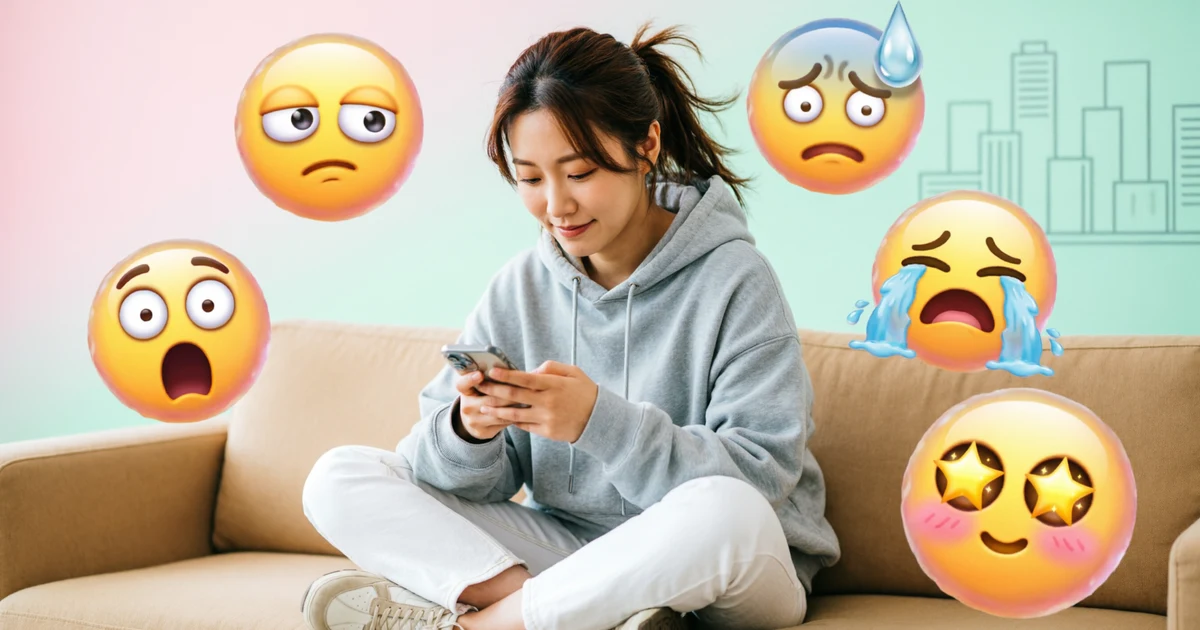
Emojis were supposed to make texting easier. Instead, they’ve become a full-blown language where one tiny yellow face can start a friendship, end a relationship, or accidentally offend your aunt. Somewhere along the way, we all agreed that pictures of vegetables, animals, and mysterious symbols would now carry the emotional weight of actual words. Here’s a tribute to the chaos.
Everyday Emoji Struggles 🤦
• I use emojis to look friendly when I’m actually typing with the emotional energy of a damp sock.
• The thumbs-up emoji has replaced entire conversations and possibly several personality traits.
• I send a laughing emoji even when I exhale slightly through my nose.
• Autocorrect and emojis work together like two coworkers who want me fired.
• I stare at emojis trying to decide if they feel casual or legally binding.
• Some emojis look supportive but feel aggressively passive-aggressive.
• I add sparkles to messages to disguise the fact that I forgot what we were talking about.
• The wrong emoji can turn a normal sentence into something HR needs to review.
• I scroll through emojis like I’m picking a mood from a vending machine.
• Nothing exposes emotional confusion like choosing between two almost identical smiley faces.
• I use emojis to soften texts that were never aggressive to begin with.
• My most used emoji depends entirely on how much sleep I didn’t get.
• The emoji keyboard knows too much about my weekly emotional arc.
• I panic-send emojis when I can’t think of a proper response.
• Half my personality now lives in the “recently used” section.
Work Chat Emoji Culture 💼
• The office group chat uses emojis to simulate morale.
• A single clap emoji from the boss feels like a performance review.
• Corporate enthusiasm is just sentences followed by rockets.
• I add smiley faces so my emails don’t sound like legal notices.
• Someone reacts with a heart emoji and suddenly the meeting feels suspicious.
• The calendar invite says serious discussion but the emoji says summer barbecue.
• Teams chats are 30 percent updates and 70 percent people acknowledging existence.
• The coffee emoji has become a universal symbol for surviving the workday.
• Nobody knows what the neutral face emoji means, yet we all fear it.
• I use the checkmark emoji to manifest productivity.
• Office humor now depends entirely on who risks sending the first meme.
• The celebration emoji appears even when nothing measurable has happened.
• My job description includes interpreting ambiguous smiley faces.
• Every deadline message ends with a thumbs-up that feels emotionally complicated.
• Workplaces run on spreadsheets, Wi-Fi, and carefully chosen emojis.
Social Media Emoji Logic 📲
• Captions now rely on emojis to replace adjectives we no longer feel like typing.
• A single fire emoji can apparently describe food, outfits, sunsets, and personal growth.
• Influencers communicate using a combination of stars, hearts, and mysterious confidence.
• Comment sections look like hieroglyphics discovered by archaeologists with Wi-Fi.
• The louder the emoji, the less actual information in the post.
• People use crying-laughing emojis on posts that are barely amusing.
• Social media turned emotional nuance into a row of identical faces.
• I judge how serious something is by how far someone scrolls for the emoji.
• The sparkle emoji has never solved a real problem but keeps trying.
• Every announcement now looks like it’s celebrating its own existence.
• Emoji overload is the digital version of shouting while wearing glitter.
• I trust reviews written in words more than ones written in vegetables and flames.
• Scrolling feels like reading a comic strip created by algorithms.
• Even sarcasm now requires visual aids.
• The emoji ratio determines whether something is heartfelt or trying too hard.
Relationship Texting with Emojis ❤️
• The difference between one heart and two hearts has started arguments.
• Emojis now carry emotional responsibilities they never applied for.
• A well-timed smiley face can prevent unnecessary overthinking.
• I reread messages to analyze emoji placement like it’s literature.
• Sending no emoji feels like ending a sentence with a door slam.
• Couples develop their own emoji dialect that nobody else understands.
• I add cute emojis to disguise logistical conversations about groceries.
• Romantic texting now depends heavily on cartoon symbolism.
• Accidentally sending the wrong emoji feels like waving at someone who wasn’t waving at you.
• Relationships thrive on communication, trust, and correctly interpreted icons.
• A single wink emoji can create hours of confusion.
• The heart emoji does most of the emotional heavy lifting.
• Modern flirting includes strategic emoji deployment.
• Removing emojis mid-conversation signals a mood shift faster than words.
• Love languages now include digital punctuation.
Food Emoji Expectations 🍕
• The pizza emoji always looks better than the pizza I actually ordered.
• Food emojis suggest I eat a balanced diet instead of snacks over the sink.
• I use the salad emoji aspirationally.
• The dessert emojis imply a lifestyle that requires matching plates.
• My grocery list in emojis would look like a party instead of survival shopping.
• Cooking feels more impressive when I text about it using vegetables I barely recognize.
• The taco emoji has never captured the structural instability of a real taco.
• Food emojis create confidence I don’t possess in the kitchen.
• I send the coffee emoji before I’ve formed a single thought.
• Digital meals look calm and organized unlike actual cooking.
• The burger emoji suggests emotional stability.
• Recipe discussions now include symbols instead of measurements.
• My phone portrays me as someone who hydrates with aesthetic beverages.
• The difference between what I eat and what I emoji is dramatic.
• Every food emoji assumes I remembered to buy ingredients.
Travel and Vacation Emojis ✈️
• The airplane emoji appears long before the suitcase is packed.
• Vacation planning now includes choosing which palm tree emoji feels accurate.
• Travel posts use emojis to distract from delayed flights.
• The map emoji makes everything feel more adventurous than navigating with GPS.
• I send beach emojis while still answering emails.
• Luggage emojis never capture the panic of forgetting chargers.
• The sunrise emoji implies I willingly woke up early.
• Travel looks smoother when summarized with symbols.
• The mountain emoji suggests hiking instead of looking for snacks.
• Every trip announcement uses at least three forms of excitement punctuation.
• Emoji itineraries are more organized than real ones.
• I trust a vacation more once it has a tropical drink emoji attached.
• Even staycations get dramatic emoji representation.
• The camera emoji promises memories instead of blurry photos.
• Traveling now begins with texting an emoji before leaving the house.
Fitness Emoji Motivation 🏋️
• The flexed arm emoji has done more workouts than I have.
• I send gym emojis as a form of manifestation.
• Fitness chats look intense while I sit down to recover from thinking about exercise.
• The running emoji suggests speed I cannot confirm.
• Workout summaries are mostly symbolic.
• The water bottle emoji represents hydration goals and occasional reminders.
• Digital motivation feels stronger than actual motivation.
• My phone believes I am far more athletic than reality supports.
• The yoga emoji implies flexibility in both body and scheduling.
• Fitness emojis create the illusion of discipline.
• I reward myself with a smoothie emoji regardless of activity level.
• The stopwatch emoji makes everything seem official.
• Sending workout emojis counts as participation in spirit.
• Progress updates now rely heavily on symbolic encouragement.
• The sneaker emoji has become a lifestyle consultant.
Money Talk in Emojis 💸
• The money bag emoji appears mostly in jokes about not having money.
• Financial planning somehow includes celebratory confetti icons.
• Budget discussions feel lighter when disguised with symbols.
• The credit card emoji carries emotional weight.
• I react to expenses with the same emoji every time.
• Digital conversations about money are suspiciously cheerful.
• The receipt emoji reminds me of responsibilities I tried to forget.
• Saving money sounds more exciting when illustrated.
• The chart emoji gives my decisions a false sense of strategy.
• I send the payday emoji with dramatic enthusiasm.
• Financial stress now comes with visual accessories.
• The shopping bag emoji represents both joy and consequences.
• Even practical purchases look glamorous in emoji form.
• Numbers feel less intimidating when surrounded by cartoons.
• My wallet and my messages tell very different stories.
Family Group Chat Emoji Dynamics 👨👩👧
• Family chats use emojis like punctuation and emotional insurance.
• Someone always discovers a new emoji and uses it exclusively for a week.
• Parents treat emojis like collectible stamps.
• The same three emojis appear in every message regardless of topic.
• Relatives respond with symbols that raise more questions than answers.
• Family updates arrive decorated like greeting cards.
• The thumbs-up emoji from a parent feels both supportive and final.
• Every celebration gets amplified through digital confetti.
• Misused emojis become permanent inside jokes.
• The group chat has its own cultural traditions now.
• Reactions arrive faster than actual replies.
• Holiday planning looks suspiciously festive in text form.
• Emojis help bridge generational differences in confusing ways.
• Conversations end with hearts even after discussing mundane errands.
• The chat feels complete only after someone sends an unnecessary sticker.
The Future of Emoji Communication 🤖
• We are slowly evolving into expressive typists with excellent icon selection skills.
• Entire conversations may soon consist of symbols and confident assumptions.
• Future historians will study emoji threads like ancient manuscripts.
• Emotional nuance is becoming increasingly illustrated.
• Technology keeps adding emojis as if feelings needed expansion packs.
• Digital language now includes facial expressions we never physically made.
• The emoji keyboard grows while my vocabulary takes strategic breaks.
• Communication tools keep getting cuter and slightly more confusing.
• New emojis arrive and everyone pretends to understand them immediately.
• We adapt quickly to symbols we didn’t know we needed.
• Tone is now managed visually instead of verbally.
• The evolution of language includes a surprising amount of fruit imagery.
• People express entire personalities through frequently used icons.
• The line between writing and reacting continues to blur.
• Humanity agreed that tiny pictures would help us handle big emotions.
Conclusion
Emojis started as helpful little add-ons and somehow became emotional translators, social cues, and occasional chaos agents. They soften messages, exaggerate excitement, and sometimes create misunderstandings that words would have handled just fine. Still, we keep using them because they add personality to digital conversations that might otherwise feel flat. Whether you love them or tolerate them, emojis are now part of how we talk, joke, and connect every day.
FAQs
1. Why are emoji jokes so relatable?
Emoji jokes tap into everyday communication habits that nearly everyone shares. Since people use emojis daily, the humor feels immediate and recognizable.
2. Are emojis changing the way we communicate?
Yes, emojis add tone and emotion to text that might otherwise seem unclear. They act like digital body language in conversations.
3. Why do people interpret emojis differently?
Context, culture, and personal habits influence how emojis are understood. The same symbol can feel friendly to one person and sarcastic to another.
4. Can emojis replace words completely?
Not entirely, but they often supplement or shorten messages. Most people still rely on words for clarity and detail.
5. Why do workplaces use emojis now?
Emojis can make professional communication feel less rigid and more approachable. They help convey tone quickly in fast-moving chats.
6. Do emojis make conversations less formal?
Generally, yes, because they introduce a casual and expressive element. Many people use them to soften statements or show friendliness.
7. Why do some people avoid using emojis?
Some prefer clear, text-only communication or worry about being misunderstood. Others simply aren’t used to incorporating them.
8. Are new emojis still being created?
Yes, new emojis are added regularly to reflect evolving culture and communication trends. This keeps the emoji vocabulary growing.
9. What makes an emoji joke funny instead of confusing?
Good emoji humor relies on shared experiences and familiar situations. The clearer the context, the better the joke lands.
10. Will emojis remain popular in the future?
They are likely to stay because they adapt easily to digital communication. As messaging evolves, emojis evolve alongside it.