Introduction
Autumn arrives like a quiet artist, painting the world in gold, amber, and crimson. Writers often struggle to capture this beauty in words. That is where similes help. They bring scenes to life and make descriptions vivid and memorable.
In this guide, you will learn how to create strong autumn similes, understand their use in writing, and explore real examples that you can apply in essays, stories, and exams.
What is an autumn simile and why writers use it
A simile compares two different things using words like as or like. An autumn simile connects seasonal elements with familiar images.
Writers use autumn similes to:
- Create clear visual imagery
- Express mood and emotion
- Make writing more engaging
Example:
Leaves fall like golden rain
This simple comparison creates a strong visual instantly.
How to create vivid autumn similes step by step
You can build effective similes with a simple method:
- Identify the subject
- Choose a clear image
- Connect both using like or as
Example process:
Subject: falling leaves
Image: drifting feathers
Final simile:
Leaves fall like drifting feathers
Keep your comparison simple and relatable.
Best autumn similes for descriptive writing
Use these ready examples in essays or descriptions:
- The trees stand like silent guardians in golden armor
- The wind whispers like an old storyteller
- The sky glows like a fading ember
Each simile adds color and depth without overcomplication.
Autumn similes that capture colors and scenery
Autumn shines through its colors. Focus on visual detail.
Examples:
- The forest looks like a burning canvas
- Leaves shine like scattered coins of gold
- The sunset spreads like melted copper
These comparisons highlight the richness of the season.
Autumn similes for emotions and mood expression
Autumn often reflects calmness or melancholy.
Examples:
- The evening feels like a soft sigh
- My thoughts drift like falling leaves
- The silence sits like a quiet memory
Such similes connect nature with human emotion.
Simple autumn similes for beginners and students
Start with easy and clear comparisons:
- Leaves fall like rain
- The air feels like a cool breeze on skin
- Trees look like painted pictures
These help beginners build confidence.
Advanced autumn similes for essays and creative writing
Use deeper and more creative comparisons:
- Time slips away like autumn light fading at dusk
- The season moves like a slow turning page
- Memories gather like dry leaves in corners
These work well in high scoring essays.
Autumn similes that describe falling leaves creatively
Leaves define autumn. Describe them with precision:
- Leaves fall like tired birds returning home
- They scatter like forgotten letters
- Leaves swirl like dancers in the wind
Each adds movement and imagery.
How to use autumn similes in storytelling
Place similes where they enhance scenes.
Tips:
- Use them to introduce settings
- Add them during emotional moments
- Avoid overuse
Example:
The path stretched ahead like a ribbon of gold
This builds atmosphere instantly.
Autumn similes for poetry with strong imagery
Poetry demands vivid expression.
Examples:
- The wind sings like a lonely flute
- Leaves drift like fading dreams
- The moon glows like pale silver
Such lines create rhythm and emotion.
Common mistakes to avoid when writing similes
Avoid these errors:
- Overcomplicated comparisons
- Cliché phrases used repeatedly
- Irrelevant or confusing imagery
Bad example:
Leaves fall like complicated mechanical systems
Keep comparisons natural and clear.
Autumn similes that reflect change and transition
Autumn symbolizes change.
Examples:
- Life shifts like leaves changing color
- Time moves like shadows growing longer
- Seasons turn like pages in a book
These work well in reflective essays.
Unique autumn similes that stand out in writing
Originality matters.
Examples:
- The wind moves like a restless painter
- Leaves cling like fading hopes
- The sky fades like an old photograph
These make your writing memorable.
Autumn similes for academic essays and exams
Use formal yet vivid language:
- The landscape transforms like a living painting
- Nature slows like a clock winding down
- The season unfolds like a gradual revelation
These suit exam answers well.
How autumn similes improve descriptive language skills
Similes train your mind to think creatively.
They help you:
- Expand vocabulary
- Improve clarity
- Build strong imagery
Regular practice sharpens writing skills.
Autumn similes compared with metaphors in writing
Similes use like or as. Metaphors do not.
Example:
Simile: Leaves fall like rain
Metaphor: Leaves are golden rain
Similes feel clearer for beginners.
Seasonal similes vs autumn specific expressions
Seasonal similes apply broadly.
Autumn similes focus on:
- Leaves
- Cool air
- Warm colors
Example difference:
Seasonal: Cold like winter
Autumn specific: Crisp like autumn air
How to practice writing your own autumn similes
Follow this routine:
- Observe nature
- Write daily comparisons
- Read good literature
- Revise weak similes
Practice builds fluency.
Examples of autumn similes used in literature
Writers often describe autumn through imagery.
Example style inspired by classic writing:
Leaves drift like fragile whispers
You can adapt such patterns in your own work.
Tips to make your autumn similes more impactful
- Keep them short
- Use familiar images
- Match tone with context
- Avoid repetition
Strong similes feel natural and effortless.
Conclusion
Autumn similes turn ordinary descriptions into vivid scenes. They help you express beauty, emotion, and change with clarity. When you practice regularly and focus on simple yet creative comparisons, your writing becomes more engaging and powerful. Use the examples and techniques from this guide to improve your essays, stories, and exams.
FAQs
1. What is an autumn simile
It compares autumn elements with something familiar using like or as.
2. Why should I use similes in writing
They improve imagery and make descriptions more engaging.
3. Can I use autumn similes in exams
Yes. They enhance descriptive and essay writing.
4. What makes a good simile
Clarity, relevance, and simplicity make a strong simile.
5. How do I avoid cliché similes
Create original comparisons based on real observation.
6. Are similes better than metaphors
Both work well. Similes suit beginners due to clarity.
7. How many similes should I use in an essay
Use them sparingly. Focus on quality over quantity.
8. Can children learn autumn similes easily
Yes. Simple examples help them understand quickly.
9. Do similes improve creative writing skills
Yes. They strengthen imagination and expression.
10. What is the easiest autumn simile example
Leaves fall like rain
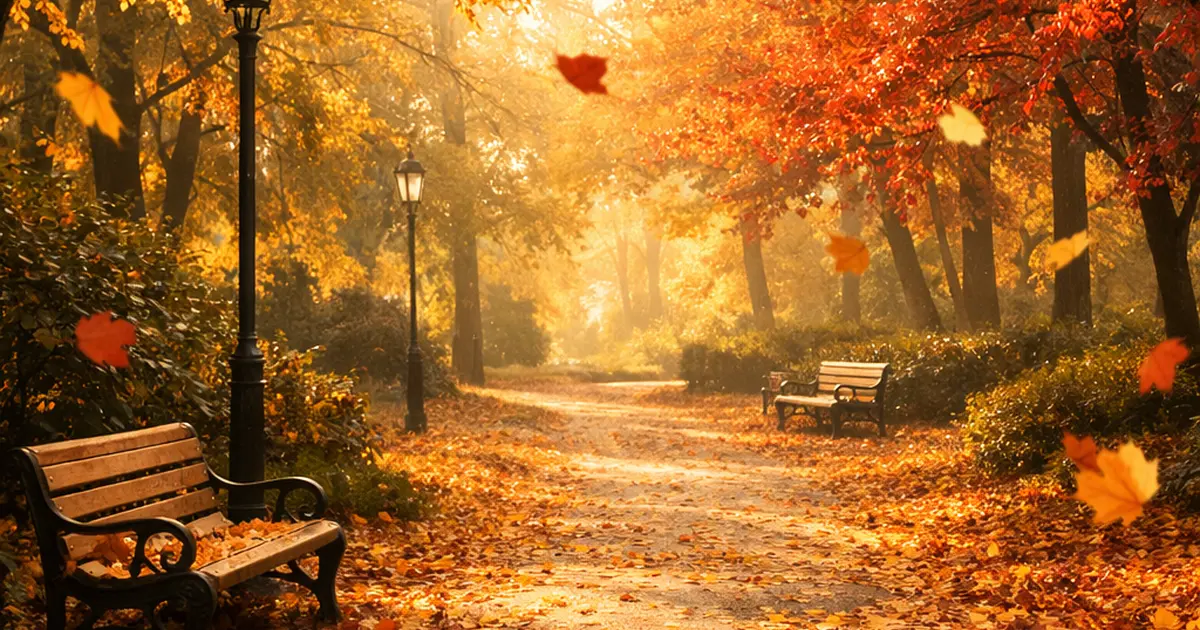
Golden autumn stroll through the park
Image createdChatGPT
Autumn Park Scene
Golden autumn stroll through the park
9 thoughts on “Autumn Simile Guide With Creative Examples and Writing Tips”
Comments are closed.